What to Do With Dead Flowers After Valentine’s Day
6 min read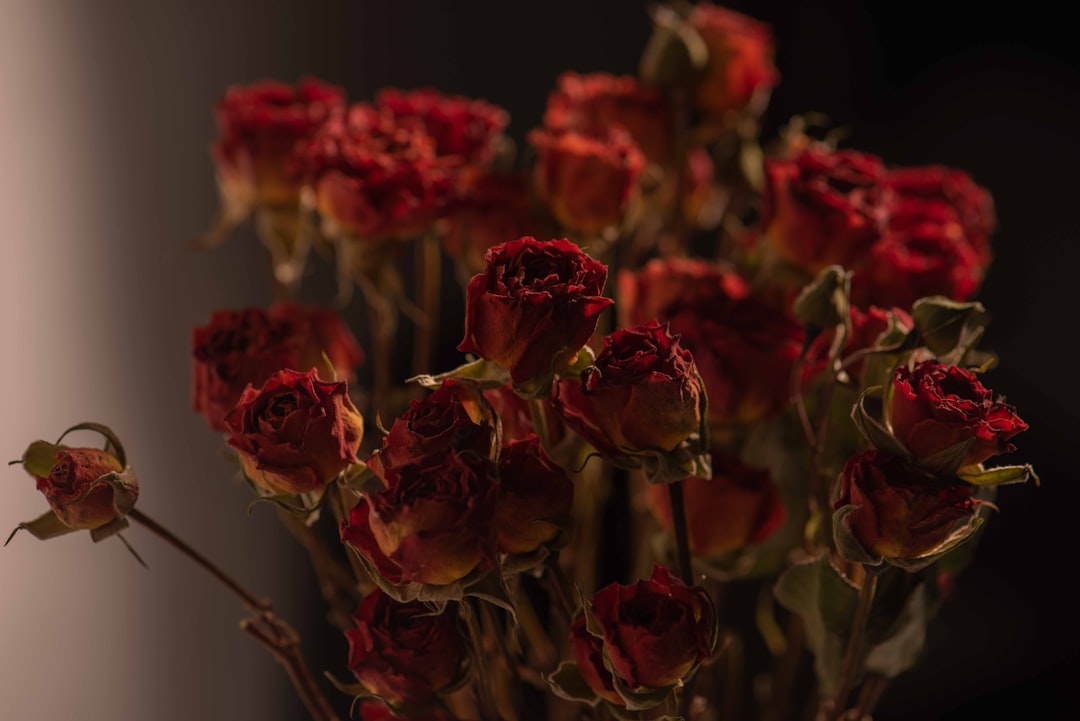
Contents:
- Why Valentine’s Day Flowers Die Faster Than You’d Expect
- Creative Ways to Repurpose Dead Valentine’s Flowers
- Press and Frame Them
- Make Dried Flower Arrangements
- Infuse Them Into Oil or Potpourri
- Compost Them — The Right Way
- Dead Flowers vs. Dried Flowers: What’s the Difference?
- Common Mistakes to Avoid
- Eco-Friendly Disposal When Reuse Isn’t an Option
- Frequently Asked Questions About Dead Valentine’s Flowers
- Can you revive dead Valentine’s Day flowers?
- How long do Valentine’s Day roses typically last?
- Is it bad luck to keep dead flowers in the house?
- Can I put Valentine’s flowers in my backyard compost?
- What can I do with dried rose petals from Valentine’s Day?
- Give Those Petals a Second Life
There they are on your kitchen counter — that once-gorgeous bouquet, now drooping and dropping petals onto the surface you just wiped down. Valentine’s Day was last week, the water’s gone murky, and you’re standing there wondering whether to feel guilty about throwing them away. Sound familiar? Before those dead Valentine’s flowers end up straight in the trash, pause. There’s actually a lot you can do with them — some practical, some creative, and a few that are genuinely good for the planet.
Why Valentine’s Day Flowers Die Faster Than You’d Expect
Most Valentine’s bouquets travel a long way before they reach your door. Cut roses — by far the most popular Valentine’s flower, accounting for roughly 250 million stems sold in the US each year around February 14th — are typically grown in Colombia or Ecuador, then flown to Miami, sorted, and shipped to retailers. By the time they hit your vase, they may already be 4–7 days old.
That matters because cut flowers generally last 7–12 days under ideal conditions: fresh water changed every 2 days, a clean vase, cool room temperature (around 65°F), and trimmed stems. Most home environments don’t hit all those marks. So wilting faster than expected isn’t a failure on your part — it’s just the nature of a long-haul flower.
Creative Ways to Repurpose Dead Valentine’s Flowers
Press and Frame Them
Pressing flowers is one of the easiest preservation methods, and it costs almost nothing. Place individual petals or small blooms between two sheets of parchment paper, slide them inside a heavy book, and stack more books on top. Leave them for 2–3 weeks. Once dry and flat, they can be arranged under a picture frame with a white or kraft paper background for a keepsake that genuinely looks beautiful on a wall. Roses, carnations, and ranunculus all press particularly well.
Make Dried Flower Arrangements
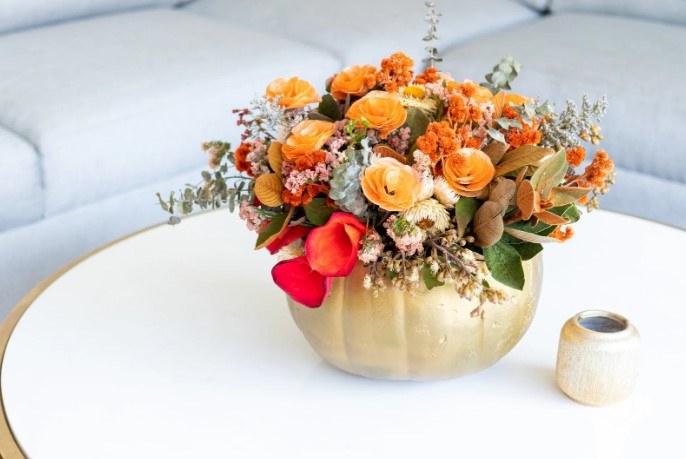
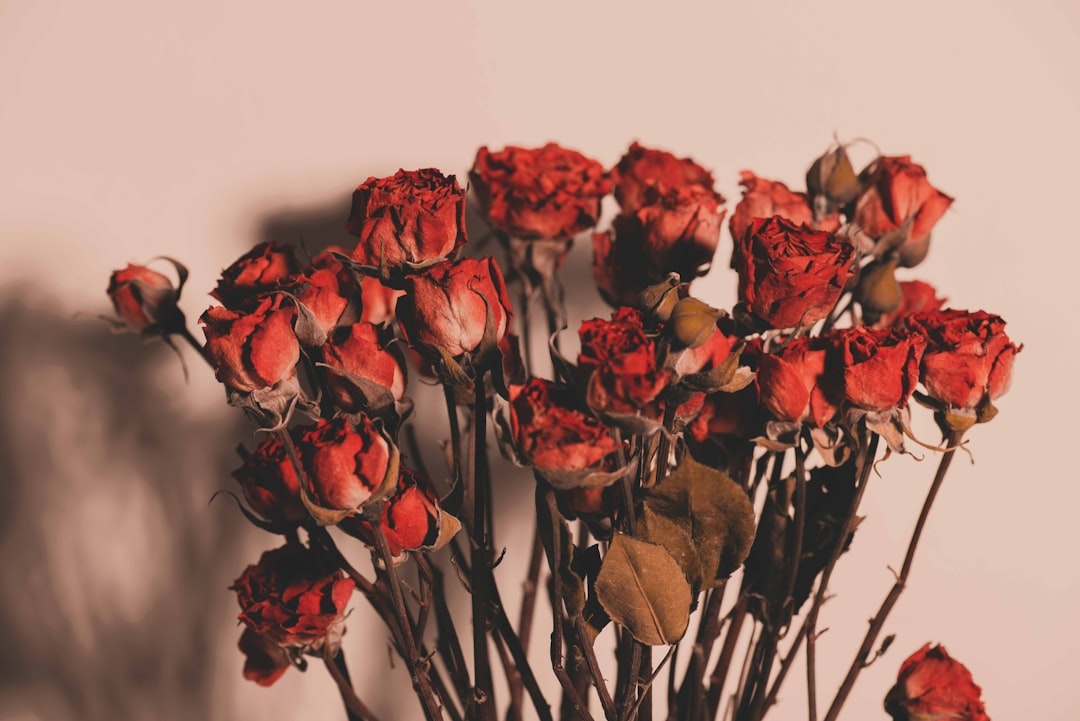
If your flowers haven’t fully wilted yet — still mostly intact but past their prime — you can dry them upright in a vase without water, or hang them upside down in small bunches in a warm, dark room with good airflow. Full drying takes about 2–3 weeks. Dried rose bouquets have been trending in home décor and can last 1–3 years with minimal care. A bundle of dried red roses tied with twine looks purposeful, not sad.
Infuse Them Into Oil or Potpourri
Rose petals from Valentine’s bouquets — assuming they haven’t been chemically treated — can be dried completely and used in potpourri mixed with cinnamon sticks, dried orange peel, and cloves. For a simple rose-infused oil, pack dry petals loosely into a small jar, cover with a carrier oil like sweet almond or jojoba, seal, and leave in a sunny windowsill for 4–6 weeks. Strain and use as a light moisturizer or bath oil.
Important: Only do this with petals you’re confident are pesticide-free. Grocery store and florist bouquets are frequently treated with chemicals not meant for skin contact. When in doubt, skip the infusion and stick to decorative uses.
Compost Them — The Right Way
Composting your spent flowers is the most sustainable option. Flower stems, leaves, and petals are “green” compostable material, meaning they’re nitrogen-rich. Chop longer stems into 2–3 inch pieces to speed up breakdown. One caveat: remove any floral foam (the green foam blocks some arrangements use), ribbon, and rubber bands first — those don’t belong in a compost pile. Pure plant material breaks down in a backyard compost bin within 2–6 months depending on conditions.
No compost bin? Many US cities offer curbside organics collection, and services like ShareWaste can connect you with a neighbor who composts. Even just burying flower material directly in a garden bed works as a slow soil amendment.
Dead Flowers vs. Dried Flowers: What’s the Difference?
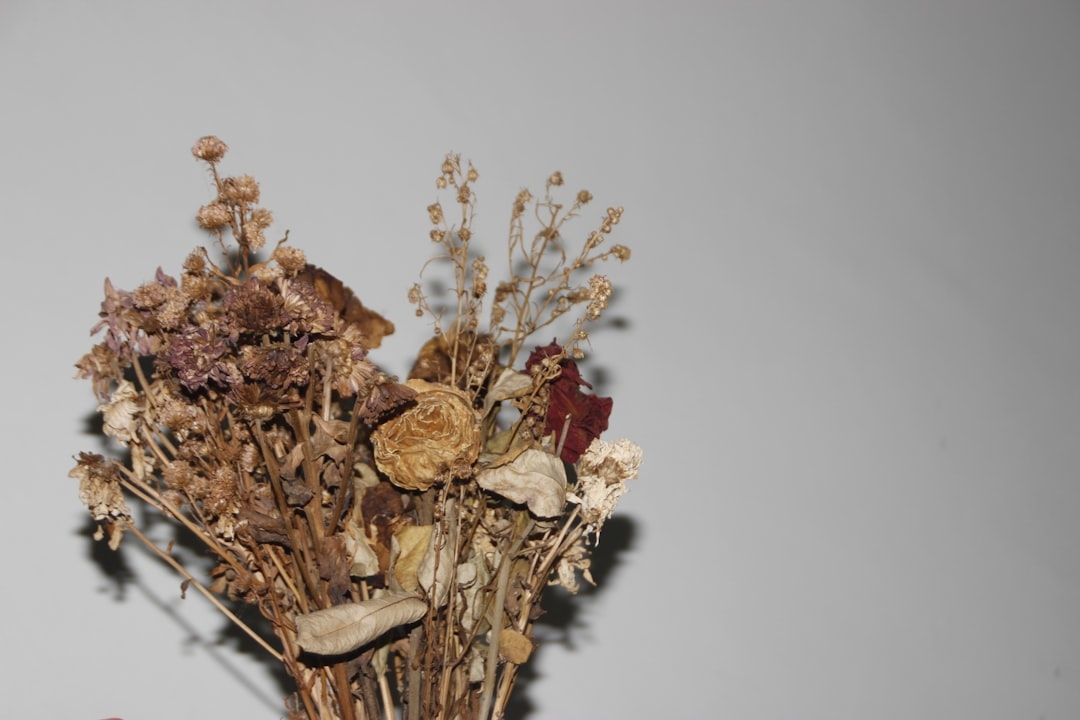
This trips people up. Dead flowers are blooms that have wilted, browned, and lost structural integrity — they crumble when touched and smell off. Dried flowers are intentionally dehydrated while still mostly intact, retaining color and shape through a controlled process. The key difference is timing: you need to begin drying while petals are still pliant and the bloom still has some form. If your bouquet is already brown and mushy, drying isn’t going to rescue it — composting or pressing individual petals are your best bets at that stage.
Common Mistakes to Avoid
- Trying to dry already-wilted flowers. Flowers that have collapsed won’t hold their shape through drying — they’ll just shrivel further.
- Pressing petals while still damp. Moisture causes mold between the pages. Blot petals lightly with a paper towel before pressing.
- Leaving floral foam in compost. Floral foam is microplastic-based and does not biodegrade. Always remove it before composting.
- Keeping dead flowers “just a little longer.” Decomposing flowers in stagnant water breed bacteria quickly. Once they’re clearly done, deal with them within a day or two.
- Tossing the whole bouquet when only some stems are dead. Sort through first — often half a bouquet is still usable. Pull out the healthy stems for a smaller fresh arrangement.
Eco-Friendly Disposal When Reuse Isn’t an Option
Sometimes flowers are just too far gone. That’s okay. The sustainable move is still better than the default. Skip the plastic bag and toss loose stems directly into your organics bin or compost. If your municipality doesn’t accept organics, wrapping them in newspaper before placing in the trash keeps things tidy and uses a material that will break down faster in a landfill than plastic wrap. A single average bouquet generates around 0.5–1 lb of organic waste — small, but worth handling thoughtfully when it’s this easy.
Frequently Asked Questions About Dead Valentine’s Flowers
Can you revive dead Valentine’s Day flowers?
Sometimes, if they’re wilted but not fully browned, a fresh diagonal cut on the stems plus a 30-minute soak in cool water can perk them back up. Truly dead flowers — brown, mushy, or crumbling — cannot be revived.
How long do Valentine’s Day roses typically last?
With proper care (fresh water every 2 days, trimmed stems, cool temperature), Valentine’s roses last 7–12 days. Without care, expect 3–5 days.
Is it bad luck to keep dead flowers in the house?
In feng shui, dead or dying flowers are considered to carry stagnant energy and are generally recommended to be removed promptly. There’s no scientific basis for “bad luck,” but from a practical standpoint, decaying flowers do harbor bacteria and can affect air quality in a small room.
Can I put Valentine’s flowers in my backyard compost?
Yes — stems, leaves, and petals are all compostable green material. Remove any non-organic materials like floral foam, plastic wrapping, wire, or ribbon before adding to your bin.
What can I do with dried rose petals from Valentine’s Day?
Dried rose petals work well in potpourri, as bath additions (if pesticide-free), pressed into cards or art, scattered as décor, or even steeped into rose water for use as a gentle facial toner.
Give Those Petals a Second Life
Your dead Valentine’s flowers have more potential than the trash bin gives them credit for. Whether you’re pressing roses into a frame to keep the memory alive, chopping stems into a compost pile, or hanging a bundle to dry over your desk, there’s a satisfying practicality in getting a second use out of something beautiful. Next Valentine’s Day, you might even plan ahead — requesting pesticide-free blooms from a local florist makes more of these options available to you, and supporting local growers cuts out the 5,000-mile supply chain entirely. Your future composting pile will thank you.