Can You Give a Sympathy Flower Arrangement with Bright Colors?
7 min read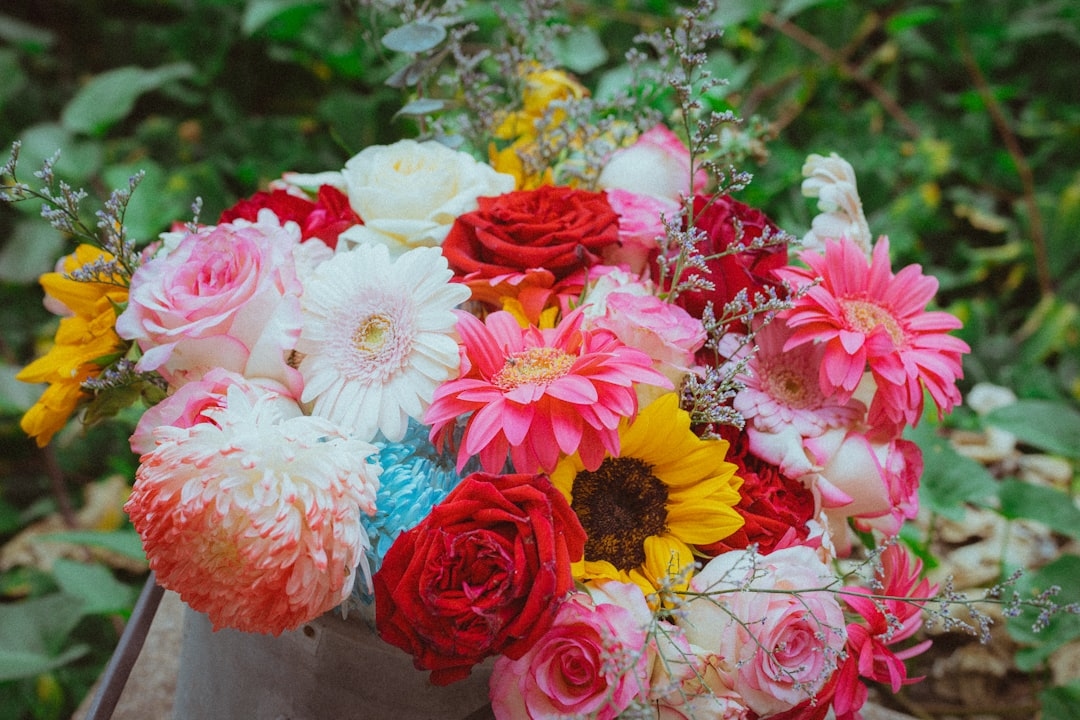
Contents:
- The Short Answer: Yes, Bright Colors Are Appropriate
- Understanding Sympathy Flower Traditions in the US
- Which Bright Colors Work Best for Sympathy Arrangements
- Bright Sympathy Flowers vs. Celebratory Arrangements: The Key Difference
- What the Pros Know
- When to Choose Bright vs. Muted Sympathy Flowers
- Lean toward bright colors when:
- Lean toward softer tones when:
- Common Mistakes to Avoid
- Practical Tips for Ordering Bright Sympathy Flowers
- Frequently Asked Questions About Bright Sympathy Flowers
- Are bright colored flowers appropriate for a funeral?
- What are the best bright flowers for a sympathy arrangement?
- Is it rude to send colorful flowers to a funeral?
- How much should I spend on a sympathy flower arrangement?
- What’s the difference between a sympathy arrangement and a funeral arrangement?
- Moving Forward: Making the Right Call
Walk into any funeral home in the American South and you’ll find sunflowers flanking the casket. Vivid yellow, heads the size of a fist, standing three feet tall in a ceramic urn. Nobody flinches. Nobody whispers. Because the family asked for them—and they were exactly right. The idea that sympathy flowers must be white, cream, or pale lavender is a cultural assumption, not a rule. Bright sympathy flowers are not just acceptable; in many cases, they’re the most meaningful choice you can make.
The Short Answer: Yes, Bright Colors Are Appropriate
There is no florist’s code, no etiquette board, no cultural authority in the United States that prohibits colorful funeral flowers. What matters far more than hue is context: the family’s wishes, the deceased’s personality, and the relationship you had with them. A person who wore hot pink every day of her life deserves hot pink at her memorial. A man who grew dahlias in his backyard for forty years should have dahlias at his service—whatever color they happen to be.
That said, color does carry weight. Before you order a basket of fire-orange gerbera daisies, it helps to understand what you’re working with and when vivid arrangements land well versus when they might feel out of place.
Understanding Sympathy Flower Traditions in the US
American funeral flower customs draw from Victorian mourning traditions, which favored white lilies, pale roses, and white chrysanthemums as symbols of purity and peace. These conventions stuck. Walk into a traditional Catholic or Baptist funeral today and you’ll still see predominantly white and cream arrangements. Religious services—especially formal ones—tend to skew more conservative with color.
But funeral customs have shifted considerably over the past two decades. Memorial services, celebrations of life, and non-religious gatherings have largely replaced or supplemented formal funerals for many American families. According to the National Funeral Directors Association, roughly 60% of Americans now pre-plan or customize their end-of-life services, which increasingly includes specific flower requests. The era of the generic white spray is fading.
Ethnic and cultural traditions also play a major role. Mexican-American families celebrating Día de los Muertos embrace marigolds—vivid orange and yellow—as the primary funeral flower. Many Southeast Asian, African, and Caribbean communities have no tradition of muted tones at all. When in doubt, follow the family’s lead.
Which Bright Colors Work Best for Sympathy Arrangements
Not all bright colors read the same way emotionally. Here’s how to think about them:
- Yellow: Warmth, friendship, and joy. Sunflowers and yellow roses work beautifully for someone who was known for their energy and optimism. Avoid if the relationship was formal or distant.
- Orange: Enthusiasm and vitality. Marigolds, orange lilies, and gerbera daisies. Strong choice for outdoor lovers, gardeners, and people with bold personalities.
- Pink (hot or deep): Love and admiration. Works for mothers, grandmothers, close friends, or anyone who was unapologetically feminine. Deep magenta reads more sophisticated than bubblegum pink.
- Red: Deep love, respect, courage. Red roses at a sympathy service signal a profound personal bond. More common for a spouse or life partner than a colleague.
- Purple: Dignity and reverence. Lavender is soft; deep violet or plum reads richer and bolder. Lisianthus, alliums, and purple dahlias hit a beautiful middle note between traditional and vibrant.
A useful rule of thumb: choose one dominant bright color and anchor it with greenery, white blooms, or neutral tones. A 70/30 ratio—70% vivid flowers, 30% white or green—keeps an arrangement festive without veering into birthday territory.
Bright Sympathy Flowers vs. Celebratory Arrangements: The Key Difference
Here’s where people get confused. A bright sympathy arrangement and a birthday bouquet may use identical flowers—sunflowers, gerberas, tropical blooms. The difference is entirely in composition and presentation.
Celebration arrangements tend to be loose, casual, and mixed with filler like baby’s breath and colorful ribbon. Sympathy arrangements—even colorful ones—use more structured forms: sprays, wreaths, standing pieces, and sheafs. They include purposeful flowers with meaning: lilies for restored innocence, chrysanthemums for loyalty, roses for love. The container matters too. A proper sympathy piece arrives in a funeral basket, vase, or urn—not a mason jar with kraft paper twine.
Ask your florist to specify the arrangement as a sympathy piece. Any professional floral designer will know how to balance vibrant color with the gravity of the occasion. Budget roughly $75–$150 for a well-composed standing spray or basket; premium arrangements with tropical or seasonal blooms run $150–$250.
What the Pros Know
Experienced florists design sympathy arrangements with longevity in mind. Funeral homes are often warm and dry, which wilts delicate blooms fast. If you’re ordering colorful flowers, ask for hardy varieties: alstroemeria, carnations, lisianthus, and chrysanthemums hold up far better than tulips or peonies in those conditions. A beautiful arrangement that lasts through a three-day viewing is worth more than a gorgeous one that droops by day two.
When to Choose Bright vs. Muted Sympathy Flowers
The decision isn’t arbitrary. Use this as a guide:
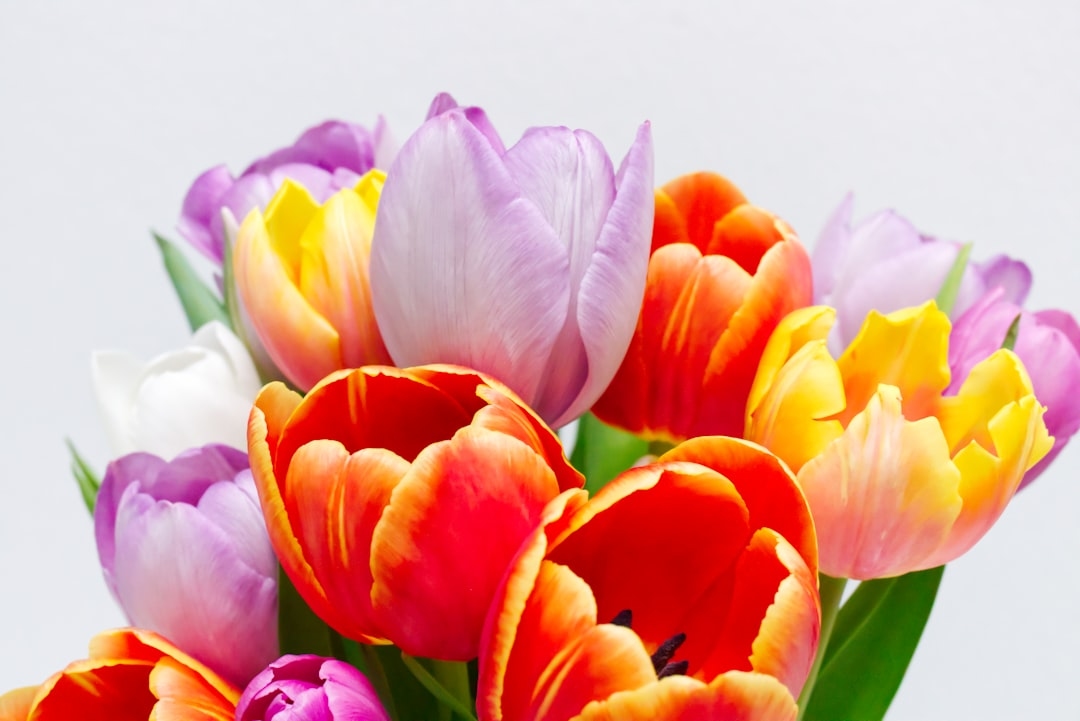
Lean toward bright colors when:
- The family has explicitly requested a “celebration of life” format
- The deceased was known for a colorful personality, love of gardening, or specific color preferences
- You’re attending a non-religious memorial or graveside gathering
- The family’s cultural background embraces vivid funeral flowers
- You’re sending to the home rather than the service itself
Lean toward softer tones when:
- The service is a formal religious ceremony (Catholic Mass, traditional Jewish funeral, formal Baptist service)
- You don’t know the family well and can’t gauge their preferences
- The death was sudden, traumatic, or involved a child—where solemnity tends to feel more appropriate
- You’re sending a standing piece that will be displayed prominently at the altar or casket
Common Mistakes to Avoid
- Ordering without context: Calling a florist and saying “make it colorful” without specifying the occasion can result in an arrangement that reads entirely wrong. Always say “sympathy” upfront.
- Choosing novelty over meaning: Rainbow arrangements exist, but a spray using every color of the spectrum tends to look chaotic rather than celebratory. Stick to two to three coordinating colors maximum.
- Ignoring fragrance: Heavily scented flowers—especially stargazer lilies and gardenias—can be overwhelming indoors. Beautiful as they are, they’re worth skipping if the service is in an enclosed space.
- Forgetting a card: Bright arrangements stand out. Make sure your card is clearly attached and legible. At busy services, arrangements can be separated from their cards within hours.
- Same-day ordering without confirmation: Many florists can do same-day sympathy delivery, but quality drops significantly under time pressure. Order at least 24–48 hours in advance when possible.
Practical Tips for Ordering Bright Sympathy Flowers
- Call a local florist, not just an online retailer. Local florists can coordinate directly with the funeral home, confirm delivery windows, and advise on what’s appropriate for that specific venue. Online-only services are fine for home deliveries but riskier for on-site funeral arrangements.
- Mention the deceased’s favorite color or flower if you know it. This single detail transforms a generic arrangement into something personal. Florists work with this information every day.
- Ask about the arrangement type. For the service itself: a standing spray or wreath. For the family’s home: a basket or vase arrangement. For a graveside memorial: a sheaf or garden-style bunch.
- Confirm the delivery address and timing. Funeral homes and churches have specific receiving windows. Confirm the correct location—sometimes the service and the viewing are at different addresses.
Frequently Asked Questions About Bright Sympathy Flowers
Are bright colored flowers appropriate for a funeral?
Yes. Bright sympathy flowers are appropriate when they reflect the deceased’s personality, align with the family’s wishes, or suit a celebration of life service. Always prioritize the family’s preferences over general convention.
What are the best bright flowers for a sympathy arrangement?
Sunflowers, yellow or orange roses, gerbera daisies, alstroemeria, marigolds, and deep purple lisianthus are all strong choices. Hardy varieties like chrysanthemums and carnations hold up well in warm funeral home environments.
Is it rude to send colorful flowers to a funeral?
Not inherently. It can feel inappropriate in very formal or traditional religious services if you don’t know the family well. When in doubt, include a personal note and let the sentiment speak for itself—or call the family directly to ask what they’d prefer.
How much should I spend on a sympathy flower arrangement?
A well-composed sympathy arrangement from a local florist typically runs $75–$150. Premium pieces with tropical blooms, large standing sprays, or specialty flowers can reach $150–$250. Sending flowers to the home rather than the service is equally meaningful and often more appreciated long-term.
What’s the difference between a sympathy arrangement and a funeral arrangement?
Funeral arrangements are sent directly to the service—sprays, wreaths, and standing pieces placed near the casket or altar. Sympathy arrangements are sent to the family’s home before or after the service, offering comfort during the grieving period. Both can include bright colors; home arrangements tend to be less formal in structure.
Moving Forward: Making the Right Call
The next time you’re standing in front of a florist’s website at 11pm, unsure whether to click on the sunflower basket or the white lily spray, ask yourself one question: what would have made this person smile? Grief is personal. Flowers are personal. Bright sympathy flowers sent with intention and care will never be wrong—they’ll be remembered. Place that order, write something real on the card, and let the color do what flowers have always done: say the things words can’t quite reach.