How Soil Acidity Changes Hydrangea Colors and What It Means for Your Cut Flowers
17 min read
Contents:
- Understanding the Science Behind Hydrangea Color Shifts
- Why Hydrangea Color Matters for Cut Flowers
- The Basics: Soil pH and Aluminum Absorption
- How Soil pH Affects Pigment Expression
- The Role of Aluminum in Cut Flowers
- Blue Hydrangeas: Acidic Soil Chemistry
- Optimal Growing Conditions for Blue Flowers
- Color Stability in Display
- Pink and Red Hydrangeas: Alkaline and Neutral Soil Chemistry
- Optimal Growing Conditions for Pink and Red Flowers
- Maintaining Pink and Red Tones
- Purple and Mauve Hydrangeas: Neutral Soil Chemistry
- The Middle Ground of Soil pH
- Color Stability Challenges
- Regional Differences: Northeast vs. South vs. West Coast
- Northeast Growing Regions
- Southern Growing Regions
- West Coast Growing Regions
- Cost Breakdown: What You’re Paying For
- Wholesale Pricing by Color
- Retail Pricing for Bouquets
- Seasonal Price Variations
- Advanced Understanding: pH Testing and Color Prediction
- How Florists Test Soil pH
- Predicting Hydrangea Color from Growing Location
- Common Mistakes When Displaying Hydrangeas
- Mistake 1: Ignoring Water pH
- Mistake 2: Overcrowding the Vase
- Mistake 3: Not Conditioning Cut Stems
- Mistake 4: Placing Hydrangeas in Direct Sunlight or Heat
- Mistake 5: Assuming All Hydrangeas Should Be the Same Price
- Advanced Care Tips for Extended Color and Vase Life
- Daily Maintenance Schedule
- Temperature Management
- Misting and Humidity
- Specialty Conditioning Solutions
- Expert Insight: Understanding Modern Hydrangea Breeding
- Frequently Asked Questions
- Q: Can I change a pink hydrangea to blue by adjusting vase water pH?
- Q: Why do supermarket hydrangeas wilt faster than florist hydrangeas?
- Q: Is there a white hydrangea variety, and what determines its color?
- Q: How do I store hydrangeas if I’m not arranging them immediately?
- Q: Can I grow my own hydrangeas and control their color?
- Q: What’s the difference between a regular bouquet and a “designer” hydrangea arrangement?
- Making Your Hydrangea Purchase Decision
Understanding the Science Behind Hydrangea Color Shifts
Picture this: you’re walking through a flower market on a warm June morning, and you notice something remarkable. Two hydrangea bouquets sit side by side—one displaying brilliant blues and purples, the other showcasing soft pinks and reds. Same species. Same growing season. Different colors entirely. This visual transformation isn’t magic or selective breeding; it’s chemistry. The soil pH where each plant grows determines which pigments the flower petals express, creating this stunning natural variation. Understanding this relationship between soil acidity and hydrangea color helps you make smarter choices when purchasing cut hydrangeas and explains why a fresh hydrangea bouquet might look different once it’s been in your vase for a few days.
Hydrangeas are among the few flowering plants where soil chemistry directly dictates flower color. This characteristic makes them unique in the horticultural world and endlessly fascinating for gardeners, florists, and curious flower enthusiasts. When you purchase hydrangeas for display, knowing what created their color helps you understand how to maintain it—and what to expect as the flower ages.
Why Hydrangea Color Matters for Cut Flowers
The color of your cut hydrangeas tells a story about where they were grown, how they were cultivated, and what conditions they experienced before arriving at your home. A blue hydrangea isn’t inherently superior to a pink one; they’re simply the result of different soil chemistry. However, the color you purchase is the color you chose—and you’ll want to maintain it for as long as possible during display.
Unlike many flowers where color remains stable from vase to table, hydrangeas can shift slightly during display. A pink hydrangea might develop purplish undertones. A blue hydrangea might fade toward lavender. A purple hydrangea might lean more pink or blue depending on the water pH in your vase. This isn’t a sign of poor quality; it’s the natural behavior of this remarkable flower. Knowing why this happens prevents disappointment and helps you choose varieties that maintain their appearance longest.
Cut hydrangeas typically last 7–12 days in a vase, depending on the variety, initial freshness, and care conditions. The color shifts usually occur gradually, and understanding the mechanism helps you appreciate the transformation rather than view it as decline.
The Basics: Soil pH and Aluminum Absorption
How Soil pH Affects Pigment Expression
Hydrangea flowers contain a pigment called anthocyanin, which is responsible for most of the color you see. However, anthocyanin alone doesn’t determine the final flower color. A secondary compound—aluminum—plays the crucial role. The soil pH determines how readily available aluminum is for the hydrangea plant to absorb through its roots.
In acidic soil (pH below 6.0), aluminum is highly available and easily absorbed by hydrangea roots. When anthocyanin combines with aluminum, it creates blue and purple pigments. The more acidic the soil, the more blue the flowers become. In neutral or alkaline soil (pH above 7.0), aluminum is locked up in the soil and unavailable for plant absorption. Without aluminum, anthocyanin produces pink and red pigments. Between these extremes, in slightly acidic soil (pH 6.0–6.5), hydrangeas display purple or mauve tones—a blend of both color mechanisms.
This relationship is so direct that florists and hydrangea growers can predict flower color with remarkable accuracy by testing the growing medium’s pH. If you’re purchasing cut hydrangeas from a grower who knows their soil pH, they can tell you exactly what colors to expect based on their cultivation practices.
The Role of Aluminum in Cut Flowers
Once a hydrangea flower is cut, it’s no longer absorbing new nutrients or minerals from the soil. The color you see at the flower shop is the color the plant developed while growing. However, the pigments themselves remain chemically active. If the water in your vase has a different pH than the growing medium where the flower developed, subtle shifts can occur. Acidic vase water might deepen blue tones slightly. Alkaline water might shift blues toward purple or push pinks toward coral.
These shifts are typically minor and occur over several days, but they’re real and observable. Many florists who specialize in hydrangeas now include pH-adjusted water or conditioning solutions specifically designed to stabilize color during display. A quality floral preservative can extend the color stability of hydrangeas by several days.
Blue Hydrangeas: Acidic Soil Chemistry
Optimal Growing Conditions for Blue Flowers
To produce reliably blue hydrangeas, growers maintain soil pH between 5.0 and 5.5—quite acidic. At this pH level, aluminum is abundant and readily absorbed. When the hydrangea plant draws aluminum up through its vascular system and incorporates it into the developing flower tissue, blue pigments form. The more intense the blue, the more aluminum has been incorporated, and the more acidic the original soil.
Blue hydrangeas grown in the United States come primarily from California, the Pacific Northwest (Oregon and Washington), and parts of the Southeast where naturally acidic soils or amended growing media support this color range. Northeastern growers also produce blue hydrangeas in great quantity, using sulfur amendments and other techniques to lower soil pH when necessary.
In summer months (June through August), blue hydrangeas are most abundant and most affordable, typically ranging from $15–$30 per stem at wholesale, or $40–$75 for a quality bouquet at retail flower shops. Late spring (May) and early fall (September) offer reduced availability and slightly higher costs due to smaller harvests.
Color Stability in Display
Blue hydrangeas are relatively stable in the vase if you keep the water pH on the acidic side. This is why many floral designers recommend adding a small amount of acidifying solution or even a tiny amount of lemon juice to the vase water when displaying blue hydrangeas. The goal is to keep the vase water environment similar to the acidic soil environment where the flower developed.
A blue hydrangea in neutral pH water (around 7.0) will gradually shift toward purple or lavender over 5–7 days. This isn’t damage; it’s the flower’s response to the changing chemical environment. If color stability is critical for a special event, purchase your hydrangeas 1–2 days before the event and condition them with an acidifying agent to lock in the blue tone.
Pink and Red Hydrangeas: Alkaline and Neutral Soil Chemistry
Optimal Growing Conditions for Pink and Red Flowers
Pink and red hydrangeas develop in soil with pH above 6.5, moving toward neutral (7.0) or slightly alkaline (7.5). At these higher pH levels, aluminum in the soil becomes chemically unavailable. The hydrangea plant cannot absorb it, so the developing flower expresses only the anthocyanin pigment, which produces pink, red, and coral tones without the blue modifier.
Pink hydrangeas are widely grown throughout the American South and Midwest, where naturally higher soil pH is common. Texas, Florida, and parts of the upper South produce large volumes of pink hydrangeas, especially in late spring (April and May). Many Japanese hydrangea varieties also express pink tones in neutral soils, and these are increasingly available in American markets.
Pink hydrangeas typically cost $12–$28 per stem wholesale, or $35–$65 for a retail bouquet, with prices dropping in late spring and early summer when supply peaks. Red hydrangeas, which require specific cultivar selection and are less common, cost slightly more—usually $40–$75 for a quality bouquet.
Maintaining Pink and Red Tones
Pink hydrangeas actually become more vibrant and stable when displayed in slightly alkaline water (pH around 7.5). To maintain pink tones, add a small amount of baking soda to the vase water, or use a floral preservative formulated for pink flowers. The goal is to keep the water pH on the alkaline side, opposite of blue hydrangea care.
Red hydrangeas are particularly sensitive to water chemistry and can fade quickly if conditions aren’t right. Keep the vase water very clean, change it every 2–3 days, and maintain a slightly alkaline environment. Red hydrangeas also benefit from being kept out of direct sunlight, which can bleach the pigment over time. A bouquet of red hydrangeas placed in a cool room away from a south-facing window will hold its color significantly longer than one in bright, warm conditions.
Purple and Mauve Hydrangeas: Neutral Soil Chemistry
The Middle Ground of Soil pH
Purple and mauve hydrangeas develop in neutral soil (pH around 6.5), where aluminum availability is moderate. This intermediate chemistry allows for a blend of blue and pink pigments, creating the stunning purple, mauve, and lavender tones that many people find most appealing. Purple hydrangeas are popular because they offer a compromise color—sophisticated and unique without leaning strongly toward either pink or blue.
Purple varieties include cultivars like ‘Ayesha,’ ‘Pistachio,’ and ‘Pia,’ all bred to express purple tones in neutral soils. These are grown throughout the United States and are increasingly available year-round. Expect to pay $15–$32 per stem wholesale, or $45–$80 for a quality purple hydrangea bouquet.
Color Stability Challenges
Purple hydrangeas present a unique challenge in the vase because they’re sensitive to pH shifts in both directions. If the water becomes too acidic, purples lean blue. If the water becomes too alkaline, purples lean pink. Maintaining consistent, neutral pH water (around 6.5–7.0) is key to keeping purple hydrangeas true to their color.
This is why florists often recommend using distilled water for purple hydrangea arrangements. Tap water in different regions has different natural pH levels. Distilled water, being neutral, provides a stable environment. Mix distilled water with a quality floral preservative designed for purple or mixed-colored flowers, and the hydrangeas will maintain their color for the full 10–12 day vase life.
Regional Differences: Northeast vs. South vs. West Coast
Northeast Growing Regions
The Northeast (New York, Massachusetts, Connecticut, Vermont) produces hydrangeas with remarkable color variety. Due to naturally acidic soils derived from glacial geology, the region naturally supports blue hydrangea production. However, many Northeast growers also amend their soil deliberately to produce pink and purple varieties for market diversity.
Northeast growers primarily harvest in July and August, making this the peak season for locally-grown hydrangeas in cities like Boston, New York, and Philadelphia. Summer hydrangea prices in the Northeast are often 15–20% lower than in winter because of local supply. A high-quality bouquet might cost $35–$50 in July but $60–$80 in January when hydrangeas must be imported from California or Ecuador.
Northeast florists are increasingly focused on sustainable sourcing and often highlight their local growers. If you’re shopping in the Northeast and see “locally grown” or “from nearby farms” labeling, trust it—these flowers have traveled minimal distance and are typically fresher and longer-lasting.
Southern Growing Regions
The South (particularly Texas, Georgia, and North Carolina) has naturally alkaline to neutral soils, making it naturally suited for pink and red hydrangea production. However, Southern growers have developed sophisticated techniques for acidifying soil to produce blues and purples, so you’ll find excellent color variety from Southern sources.
Southern hydrangeas peak in availability from May through October. Late spring (May and June) typically offers the best selection and lowest prices because multiple varieties are in harvest simultaneously. Southern-grown hydrangeas are often shipped throughout the country and are commonly available in supermarket floral departments by midsummer.
A notable feature of Southern hydrangea production is the prevalence of “double-flower” varieties—blooms with extra layers of petals that create fuller, more dramatic appearance. These are grown extensively in Texas and are increasingly popular for wedding arrangements and special occasions. Budget an extra $10–$15 per stem for double-flower hydrangeas compared to single varieties.
West Coast Growing Regions
California dominates American hydrangea production, particularly for year-round supply. The state’s diverse microclimates support nearly every hydrangea color and variety. Coastal Northern California (Marin and Sonoma counties) is particularly known for premium hydrangea production, while the Central Valley supplies volume for supermarket and chain florist distribution.
California growers have access to treated water and sophisticated soil amendment techniques, allowing them to produce any hydrangea color on demand. California hydrangeas are available year-round, with slight price variations: peak season (June–August) sees prices around $15–$25 per stem wholesale, while winter months (December–February) see prices rise to $20–$35 per stem due to cooler growing conditions and lower yields.
West Coast sourcing is increasingly important for winter holiday arrangements. If you’re purchasing hydrangeas in December for a holiday event, you’re almost certainly buying California-grown product. These imports are typically very fresh because California’s proximity to major population centers allows for quick distribution.
Cost Breakdown: What You’re Paying For

Wholesale Pricing by Color
Wholesale prices (what florists pay) vary significantly by color and season:
- Blue hydrangeas: $12–$25 per stem (summer); $18–$30 (winter)
- Pink hydrangeas: $10–$20 per stem (spring peak); $15–$28 (other seasons)
- Purple hydrangeas: $13–$23 per stem (consistent year-round)
- Red hydrangeas: $18–$32 per stem (variable availability)
- White hydrangeas: $15–$28 per stem (consistent year-round)
Retail Pricing for Bouquets
A typical retail hydrangea bouquet contains 3–5 stems, depending on stem size and arrangement design. Using wholesale pricing as a baseline, retail prices typically run 2.5–3x wholesale cost, accounting for overhead, labor, and profit:
- Small bouquet (3 stems, modest greenery): $35–$50
- Medium bouquet (4–5 stems, full greenery and filler): $45–$75
- Large luxury arrangement (6+ stems, premium conditioning): $75–$120
- Designer arrangement: $100–$150+
These prices assume purchase from a full-service florist. Supermarket floral departments and online delivery services typically offer lower prices ($30–$60 for a basic bouquet) because they operate at higher volumes and lower margins. However, supermarket hydrangeas are often not conditioned as carefully and may have shorter vase life.
Seasonal Price Variations
Plan your hydrangea purchase with seasonality in mind. June through August offers the best prices and most abundant supply; expect to pay $35–$55 for a quality bouquet. December through February, when hydrangea supply is constrained and demand rises for winter events, expect prices to climb to $55–$85. Spring (March–May) offers moderate prices ($40–$65) with good availability. Fall (September–November) transitions between summer abundance and winter scarcity.
If you’re budget-conscious, purchasing hydrangeas during their season of maximum availability saves 20–30% compared to off-season purchases. A bouquet of pink hydrangeas bought in May costs far less than the same bouquet ordered in February.
Advanced Understanding: pH Testing and Color Prediction
How Florists Test Soil pH
Professional growers and serious hobby enthusiasts test soil pH using simple home test kits or digital pH meters. A soil sample is mixed with distilled water, and the resulting liquid is tested. Most growers test at minimum once yearly, typically at the beginning of the growing season, and adjust their amendments accordingly.
A soil pH test costs $5–$15 for a home kit, or $15–$40 if sent to a professional laboratory for detailed analysis. Growers who care about consistent hydrangea color invest in annual testing and make deliberate adjustments to maintain their target pH range.
Predicting Hydrangea Color from Growing Location
If you’re purchasing from a grower who can tell you their soil pH, you can predict flower color with accuracy:
- pH 5.0–5.5: Expect blue hydrangeas
- pH 5.5–6.0: Expect blue-purple hydrangeas
- pH 6.0–6.5: Expect purple hydrangeas
- pH 6.5–7.0: Expect purple-pink hydrangeas
- pH 7.0–7.5: Expect pink hydrangeas
- pH 7.5+: Expect red-pink hydrangeas
This prediction holds reliably for aluminum-responsive cultivars. Some modern hydrangea varieties have been bred to produce consistent colors regardless of soil pH; these are labeled as “remontant” or “endless summer” varieties and are increasingly common in commercial production.
Common Mistakes When Displaying Hydrangeas
Mistake 1: Ignoring Water pH
The most common error is filling a vase with tap water and assuming the hydrangea color will remain stable. Tap water pH varies by region (typically 6.5–8.0), and this variation directly affects hydrangea color. Using distilled water or pH-adjusted floral water prevents most color-shift problems. Always use a floral preservative designed for hydrangeas—these products include pH buffers that maintain stability.
Mistake 2: Overcrowding the Vase
Hydrangea stems are thick and woody; they need adequate water circulation. A vase that’s too crowded restricts water uptake and causes flowers to wilt prematurely. Use a vase tall enough to support the hydrangea heads without bunching, and leave space between stems for water flow. A typical hydrangea bouquet requires a vase at least 6–8 inches tall and 4 inches in diameter.
Mistake 3: Not Conditioning Cut Stems
Hydrangeas benefit from conditioning before display. Cut about 1 inch off the base of each stem at a 45-degree angle. Remove all leaves that would sit below the waterline (these decompose and promote bacterial growth). Submerge the entire bouquet in cool water for 2–4 hours before arranging. This rehydrates the stems and extends vase life significantly—often by 3–5 days.
Mistake 4: Placing Hydrangeas in Direct Sunlight or Heat
Hydrangea petals are delicate and fade quickly in bright sunlight or near heat sources. Display your bouquet in a cool room away from direct sun, heating vents, and ripening fruit (which emits ethylene gas that accelerates flower aging). An east-facing window with morning light is ideal; a south or west-facing window in summer is too harsh.
Mistake 5: Assuming All Hydrangeas Should Be the Same Price
Hydrangea pricing varies significantly by color, season, and source. A bargain-basement hydrangea might be sourced from a supermarket with high turnover and potentially lower freshness. An expensive boutique hydrangea from a specialty florist might be worth it for superior conditioning and longer vase life. Compare quality and freshness, not just price.
Advanced Care Tips for Extended Color and Vase Life
Daily Maintenance Schedule
Change the vase water every 2–3 days. Each time, recut the stems by 1/2 inch and refresh the floral preservative. This removes bacteria that accumulate in the water and allows fresh uptake. Many people change the water once, then assume the bouquet is fine; daily or every-other-day maintenance is what extends hydrangea vase life to the full 12 days.
Temperature Management
Keep hydrangea arrangements in a cool room (60–65°F is ideal). Each 10-degree increase in ambient temperature cuts the vase life by approximately 1–2 days. If you live somewhere warm, place the arrangement in an air-conditioned room rather than on a warm patio or sunny windowsill. Cooler conditions preserve color intensity and delay petal aging.
Misting and Humidity
Hydrangeas appreciate humidity. Mist the flowers lightly with cool water once daily, or place the vase in a naturally humid location (bathroom, kitchen). Humidity slows the natural moisture loss from petals and maintains color vibrancy. However, avoid misting if you have poor air circulation; wet petals in a stagnant environment can develop fungal spots.
Specialty Conditioning Solutions
Beyond basic floral preservative, several specialty products are designed specifically for hydrangeas. Brands like Floralife Blue, Chrysal Hydrangea Food, and similar products are formulated to maintain color and extend vase life. These cost $3–$8 per packet and are worth the investment if you’re purchasing expensive hydrangeas or need color stability for an event. Ask your florist if they can include a specialty packet with your bouquet—many will without additional charge.
Expert Insight: Understanding Modern Hydrangea Breeding
Dr. Michelle Chen, Floriculture Scientist at the University of Connecticut, explains the evolution of hydrangea color stability: “Modern breeding has created hydrangea varieties that are increasingly less responsive to soil pH. Traditional varieties like ‘Nikko Blue’ shift color dramatically based on soil chemistry. Newer varieties like ‘Endless Summer’ and remontant types have been bred to maintain consistent color regardless of growing conditions. However, even these newer varieties can show subtle color shifts in the vase. The key is understanding that this is normal botanical behavior, not a flaw in the flower. Growers who acknowledge this and use proper conditioning techniques can achieve remarkably stable colors.”
Dr. Chen’s observation reflects industry trends. If you’re purchasing hydrangeas for a critical event (wedding, anniversary), specifically request varieties bred for color stability. Ask your florist what cultivar they’re providing; informed growers can discuss the expected color consistency based on variety selection.
Frequently Asked Questions
Q: Can I change a pink hydrangea to blue by adjusting vase water pH?
Only slightly. The hydrangea’s color is set by the soil chemistry where it was grown, not determined by vase water. Adding aluminum sulfate (available at garden centers) to acidic vase water might shift a pink hydrangea slightly toward purple, but it won’t create a true blue. For truly blue hydrangeas, you need to purchase blue varieties from the start. Color stability is the goal; dramatic transformation isn’t realistic.
Q: Why do supermarket hydrangeas wilt faster than florist hydrangeas?
Supermarket hydrangeas often lack proper conditioning before display. They may have been sitting in the same water for days and haven’t been recut or rehydrated. The water temperature in supermarket cases is also often warmer than ideal. Buying from a specialty florist who conditions hydrangeas properly results in 3–5 days of extra vase life. The higher price reflects this care investment.
Q: Is there a white hydrangea variety, and what determines its color?
Yes, white hydrangeas exist and are widely available. White is not determined by pH like blue and pink; it’s a separate genetic trait. White varieties like ‘Annabelle’ and ‘Incrediball’ remain white regardless of soil pH. White hydrangeas are useful for arrangements where color stability is paramount, as they don’t shift with water chemistry. They’re typically priced similarly to blue and pink varieties.
Q: How do I store hydrangeas if I’m not arranging them immediately?
Cut hydrangeas need water immediately. If you’ve purchased flowers for an event but won’t arrange them for a few hours, condition them and place them in cool water in a vase. Keep them in a cool room (not a warm car) until you’re ready to arrange. Never let hydrangea stems dry out completely. If you’re purchasing flowers more than 24 hours before your event, buy them no earlier than the day before; they deteriorate in storage.
Q: Can I grow my own hydrangeas and control their color?
Yes, but it requires attention to soil chemistry. Testing your soil pH and deliberately amending it with sulfur (for acidic, blue flowers) or lime (for alkaline, pink flowers) gives you color control. However, this is a season-long commitment; you can’t change soil pH overnight. If you want specific colors, it’s more practical to purchase fresh hydrangea bouquets from growers who specialize in your desired colors. The time and expense of soil amendment for a few homegrown flowers is rarely worth it compared to purchasing premium cut flowers.
Q: What’s the difference between a regular bouquet and a “designer” hydrangea arrangement?
A designer arrangement typically includes premium stem selection, careful conditioning, specialty filler flowers or foliage, thoughtful color coordination, and expert arrangement technique. A basic bouquet is simply hydrangea stems with greenery in a vase. Designer arrangements justify their higher cost ($100+) through superior materials, longer-lasting flowers, and aesthetic sophistication. For special occasions, the investment in a designer arrangement is worthwhile; for casual display, a basic bouquet from a quality florist serves well.
Making Your Hydrangea Purchase Decision
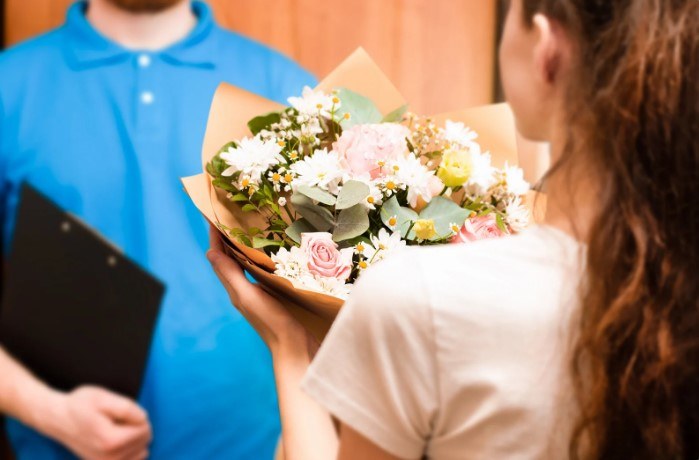
When you’re ready to purchase hydrangeas, your soil pH knowledge helps you make informed decisions. Choose your color based on personal preference and occasion (blue for calm elegance, pink for romance, purple for sophisticated balance). Ask your florist about the hydrangea cultivar, growing region, and conditioning protocol. Inquire about the best timeframe for arranging and what you should expect in terms of color stability.
If you need specific color stability—for example, if you’re purchasing hydrangeas to apologize or express sympathy—communicate this with your florist. They can help select cultivars and provide conditioning recommendations that ensure your flowers look their best throughout their display life. A florist who understands hydrangea chemistry will make your bouquet more meaningful and beautiful.