How to Rehydrate Dried Out Flowers and Bring Them Back to Life
6 min read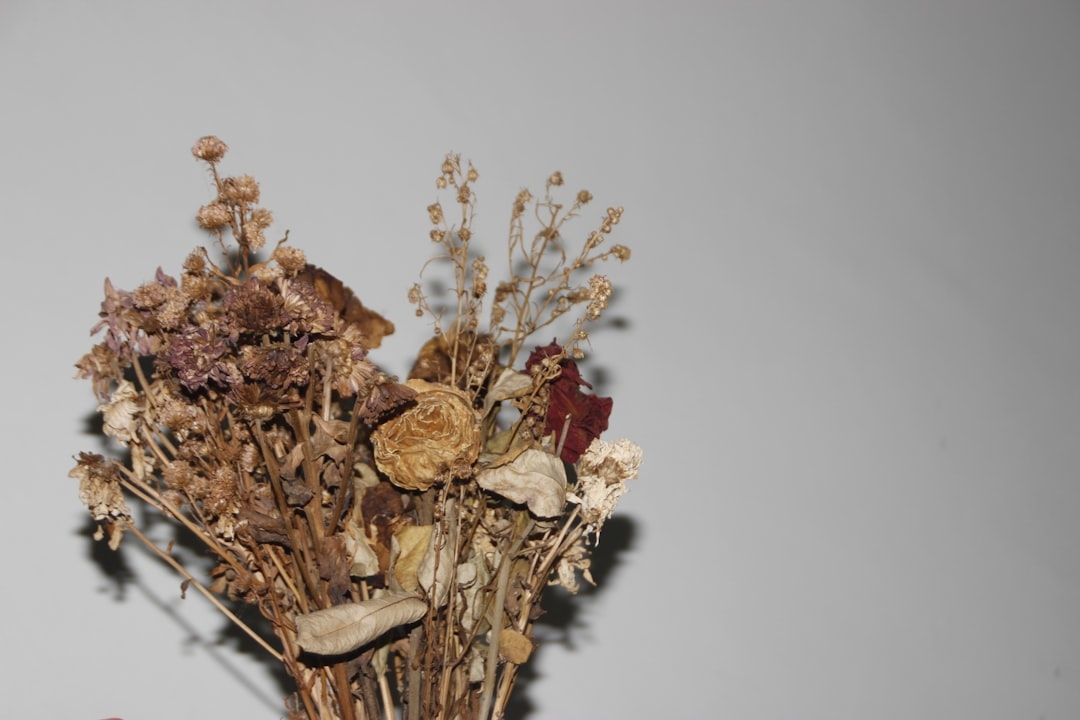
Contents:
- Why Flowers Dry Out (And What That Means for Revival)
- How to Rehydrate Dried Flowers at Home
- The Boiling Water Method (Most Effective for Wilted Roses)
- The Full Submersion Method (Best for Severely Wilted Stems)
- The Overnight Cool Water Soak
- Expert Tips for Better Results
- A Story Worth Sharing
- Which Flowers Are Easiest to Revive?
- Frequently Asked Questions
- Can you rehydrate completely dried and crispy flowers?
- How long does it take to rehydrate dried flowers?
- Does aspirin help revive flowers?
- Why do my flowers keep wilting even after I rehydrate them?
- Can I rehydrate flowers that came in a mailed box?
- Make the Most of Every Bloom
You picked up a gorgeous bouquet, set it on the counter, and life got busy. Now those flowers look sad, droopy, and completely lifeless — and you’re wondering if there’s any way to rehydrate dried flowers before they’re gone for good. The answer is yes. Often, what looks like a lost cause is just a flower that’s desperately thirsty.
Flowers wilt for one primary reason: they lose water faster than their stems can absorb it. This can happen because the stem ends seal over time, air bubbles block water uptake, or the surrounding environment is simply too warm and dry. Understanding this makes the fix obvious — and usually free.
Why Flowers Dry Out (And What That Means for Revival)
Cut flowers are still living. Once removed from their water source, they begin drawing moisture from their own petals and leaves to survive. Within 4 to 6 hours without water, most soft-stemmed flowers like tulips and gerbera daisies will show visible wilting. Woody-stemmed varieties like roses can last a bit longer — up to 12 hours — before the damage becomes harder to reverse.
The good news: if petals haven’t turned brown or translucent, the flower almost certainly has life left in it. Slight limpness and drooping are signs of dehydration, not death. That’s a very recoverable situation.
How to Rehydrate Dried Flowers at Home
There are several methods for reviving dried-out flowers, and the right one depends on how far gone your blooms are. Start with the gentlest approach and escalate if needed.
The Boiling Water Method (Most Effective for Wilted Roses)
This technique works by forcing water up the stem quickly, bypassing any blockages caused by dried sap or air pockets.
- Boil a small pot of water and pour it into a heat-safe vase or cup — about 2 to 3 inches deep.
- Cut at least 1 inch off the bottom of each stem at a 45-degree angle while holding the stem underwater or immediately before placing it in the hot water. The angled cut maximizes the surface area for absorption.
- Let the stems sit in the hot water for 30 minutes.
- Transfer the flowers to a vase with cool, fresh water and let them rest in a cool, dark room for 2 to 4 hours.
Most roses and peonies respond within an hour. It’s genuinely satisfying to watch them perk back up.
The Full Submersion Method (Best for Severely Wilted Stems)
When flowers are badly dehydrated, submerging them completely allows water absorption through the entire stem and petals simultaneously.
- Fill a bathtub, sink, or large container with cool water.
- Fully submerge the flowers — blooms and all — for 20 to 30 minutes.
- Remove, let excess water drip off, then re-cut the stems at an angle.
- Place immediately into a clean vase with fresh water.
Hydrangeas and dahlias respond especially well to this method. Don’t worry about getting the blooms wet — it won’t hurt them, and the rehydration benefit far outweighs any temporary droop from the weight of the water.
The Overnight Cool Water Soak
For flowers that are only slightly wilted, a long soak in a cool environment does the trick without any fuss.
- Re-cut the stems at a 45-degree angle.
- Place in a tall vase filled with cool water, covering as much of the stem as possible.
- Set the vase in the refrigerator or a cool room (ideally 34–38°F) overnight.
This is the method most professional florists use before a big event — it’s slow, gentle, and highly effective for tulips, carnations, and lilies.
Expert Tips for Better Results
“The single biggest mistake people make is not cutting enough off the stem,” says Dana Merritt, Certified Floral Designer and owner of Greenleaf Studio in Portland, Oregon. “Most people snip a tiny sliver. I tell my customers to cut a full inch — sometimes two — especially if the flowers have been sitting out for more than a day. A fresh cut is everything.”
A few other details that make a real difference:
- Use clean vases. Bacteria build up in dirty vases and clog stem vessels. A quick wash with dish soap and hot water before refilling takes 60 seconds and extends flower life by days.
- Add a flower preservative or a homemade substitute. Mix 1 tablespoon of sugar, 1 tablespoon of white vinegar, and 1 teaspoon of bleach per quart of water. Sugar feeds the bloom, vinegar adjusts pH, and bleach kills bacteria.
- Remove leaves below the waterline. Submerged foliage rots quickly and introduces bacteria into the water within 24 hours.
- Keep flowers away from fruit bowls. Ripening fruit releases ethylene gas, which accelerates petal drop — sometimes by 30 to 50% faster than normal.
A Story Worth Sharing
One reader, Maria from Austin, Texas, received a $75 arrangement of garden roses for her birthday — only to find them completely flat and drooping the next morning after her partner forgot to add water to the vase. Convinced they were ruined, she almost threw them out. Instead, she tried the boiling water method as a last attempt. Within two hours, all but two of the twelve roses had fully recovered. She got four more days out of that bouquet.

The lesson: don’t write off a wilted flower too quickly. A small effort, at the right moment, can save something beautiful.
Which Flowers Are Easiest to Revive?
Not all flowers respond equally to rehydration. Here’s a quick breakdown:
- Easiest to revive: Roses, tulips, carnations, hydrangeas, gerbera daisies
- Moderate success rate: Peonies, sunflowers, dahlias, lilies
- Harder to revive once wilted: Delphinium, sweet peas, anemones
Thick-petaled flowers with waxy coatings — like anthuriums and orchids — rarely respond well to rehydration once significantly wilted. For these, early intervention within the first 2 hours of wilting is critical.
Frequently Asked Questions
Can you rehydrate completely dried and crispy flowers?
No. Once flowers have fully desiccated and petals are crispy or brown, the cellular structure is irreversibly damaged. Rehydration only works on flowers that are wilted and limp, not completely dried. However, those fully dried flowers can be repurposed in potpourri or pressed flower art.
How long does it take to rehydrate dried flowers?
Most wilted flowers show improvement within 1 to 4 hours using the boiling water or full submersion method. The overnight cool soak takes 8 to 12 hours but works well for mildly dehydrated blooms.
Does aspirin help revive flowers?
Yes, but modestly. One crushed aspirin dissolved in a quart of water lowers the pH, which helps stems absorb water more efficiently. It’s more useful as a preventative than a revival technique, but worth adding to fresh water after rehydration.
Why do my flowers keep wilting even after I rehydrate them?
If flowers re-wilt within hours of being revived, the likely culprits are bacteria in the vase water, stems that weren’t cut fresh, or placement near a heat source or direct sunlight. Change the water daily, keep the vase clean, and move flowers away from windows and heating vents.
Can I rehydrate flowers that came in a mailed box?
Yes — this is actually one of the most common rehydration scenarios. Mail-order flowers are typically shipped without water and arrive wilted. Cut 1 to 2 inches off every stem at a 45-degree angle and place them in deep, cool water for at least 4 hours before arranging. Most blooms will open fully within 24 hours.
Make the Most of Every Bloom
Fresh flowers aren’t cheap — even a modest grocery store bouquet runs $15 to $30, and florist arrangements can easily hit $60 to $100 or more. Knowing how to revive wilted stems means you’re getting full value from every purchase, every gift, and every garden cutting. A two-minute stem trim and a fresh vase of water can add three to five days to a bouquet’s life. That’s not a small thing.
Keep a clean vase ready, a sharp pair of scissors nearby, and this guide bookmarked. The next time a bouquet starts to droop, you’ll know exactly what to do — and you’ll probably save it.