How to Preserve a Wedding Bouquet: Every Method, Explained
7 min read
Contents:
- Why Flowers Deteriorate — and How Preservation Stops It
- The 5 Most Effective Methods to Preserve a Wedding Bouquet
- Air Drying — The Classic DIY Approach
- Silica Gel Drying — Faster and Color-Retentive
- Freeze Drying — Professional-Grade Preservation
- Pressing — Flat, Frameable, Timeless
- Resin Casting — Modern and Three-Dimensional
- Practical Tips for Better Preservation Results
- The Eco-Friendly Angle: Sustainable Preservation Choices
- Frequently Asked Questions
- How soon should I start to preserve my wedding bouquet?
- What is the cheapest way to preserve a wedding bouquet?
- Can I preserve a wedding bouquet myself, or do I need a professional?
- How long will a preserved wedding bouquet last?
- Does preserving a bouquet damage the flowers?
- Choosing the Right Method for Your Bouquet
Fresh-cut flowers begin losing moisture within two to four hours of being severed from their stems — yet a properly preserved wedding bouquet can hold its color and form for decades. That gap between biological reality and sentimental possibility is exactly what preservation science bridges. Your bouquet isn’t just flowers. It’s a timestamp.
Deciding to preserve a wedding bouquet is one thing. Knowing which method actually works for your specific blooms, timeline, and budget is another. This guide covers the science behind each technique, what it costs, and exactly how to do it yourself.
Why Flowers Deteriorate — and How Preservation Stops It
Plant cells contain roughly 80–95% water. After cutting, stems can no longer pull moisture from soil, so cellular structure begins to collapse. Petals thin, colors oxidize, and organic matter invites mold. Preservation works by removing or replacing that moisture before decay takes hold.
Timing is critical. Most florists recommend beginning preservation within 24 hours of the ceremony — 48 hours at the absolute latest for delicate blooms like gardenia or ranunculus. Hardy flowers such as roses and statice tolerate a slightly longer window.
“The single biggest mistake I see is couples waiting a week after the wedding to think about preservation,” says Dr. Miriam Calder, certified horticulturist and floral design instructor at the Chicago Botanical Institute. “By then, petals have already begun enzymatic breakdown. You’re working with compromised material, and no technique fully compensates for that.”
The 5 Most Effective Methods to Preserve a Wedding Bouquet
1. Air Drying — The Classic DIY Approach
Air drying is the oldest preservation method and still one of the most reliable for sturdy flowers. Remove any foliage below the binding point (wet leaves promote mold), divide the bouquet into small bundles of three to five stems, and hang them upside down in a dark, dry room with good airflow. Humidity below 50% is ideal — a closet with a dehumidifier works well.
Drying time ranges from two to four weeks depending on stem thickness and ambient humidity. Roses, lavender, statice, strawflowers, and baby’s breath air-dry beautifully. Succulents and tropical blooms like anthuriums do not — they rot before they dry.
Cost estimate: Nearly free. You may spend $5–$15 on floral wire or rubber bands to rebind stems.
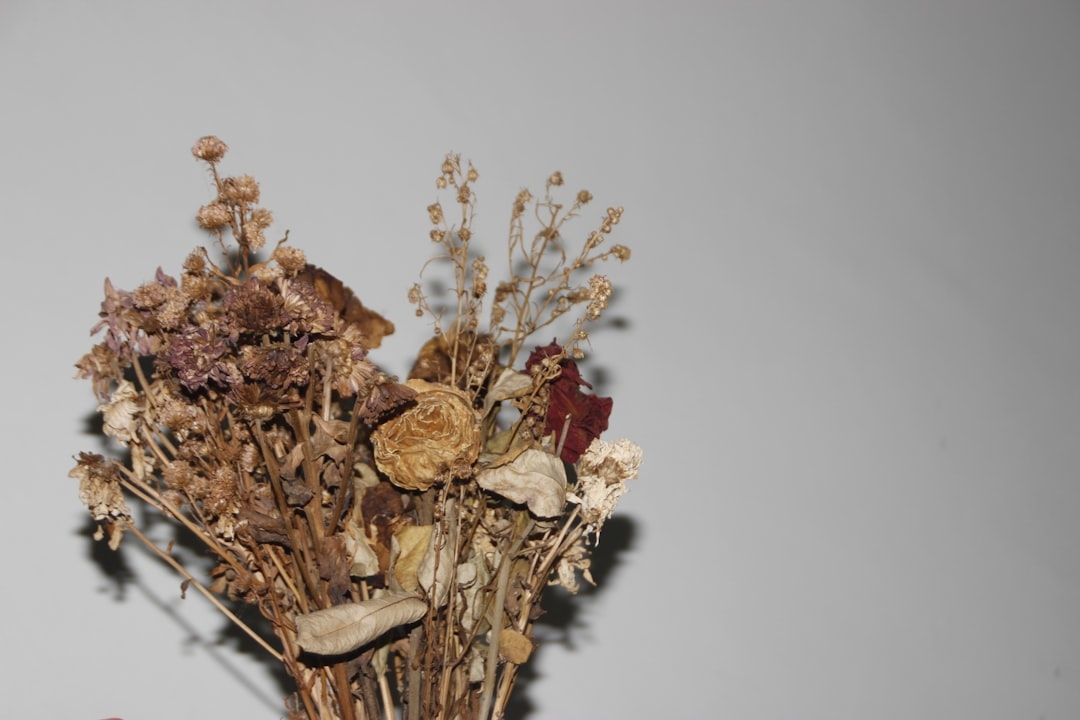
Expect some color shift. Reds deepen toward burgundy; whites often turn cream or ivory. This isn’t a flaw — it’s the natural aging of chlorophyll and anthocyanin pigments. Many people find the patina adds character.
2. Silica Gel Drying — Faster and Color-Retentive
Silica gel is a desiccant — a moisture-absorbing compound — that pulls water from petals far faster than air alone. The result is a dried flower that retains more of its original shape and color than air-dried equivalents.
To use it, pour a two-inch layer of silica gel crystals (available at craft stores) into an airtight container. Place flower heads face-up, then gently pour more silica around and over the blooms until fully buried. Seal the container. Check after 48–72 hours for thin-petaled flowers (anemones, cosmos), or up to five to seven days for denser blooms (peonies, garden roses).
Cost estimate: A 10-pound bag of silica gel runs approximately $15–$25 and is fully reusable — spread it on a baking sheet at 250°F for an hour to reactivate it. Total investment for a full bouquet: roughly $20–$40 in containers and gel.
One caution: over-drying causes brittleness. Check your flowers daily after the 48-hour mark and remove them as soon as petals feel papery but not fragile.
3. Freeze Drying — Professional-Grade Preservation
Freeze drying (lyophilization) removes moisture through sublimation: the bouquet is frozen, then placed in a vacuum chamber where ice transitions directly to vapor without passing through a liquid phase. The cellular structure remains almost perfectly intact.
This is the only method that can preserve a bouquet in its exact original shape and color with high fidelity. A freeze-dried rose looks nearly identical to a fresh one. The process typically takes two to six weeks in a professional machine.
The trade-off is cost. Professional freeze-drying services typically charge $150–$600 depending on bouquet size — a full cascading bridal bouquet sits at the higher end. Mail-in services exist across the US; turnaround is usually four to eight weeks.
Home freeze-drying machines (brands like Harvest Right) can handle bouquets but cost $3,000–$5,000 — not a realistic option for most people unless you’re already using one for food preservation.
4. Pressing — Flat, Frameable, Timeless
Pressing sacrifices three-dimensionality in exchange for a completely flat, frameable keepsake. It’s ideal for single blooms, individual petals, or a curated selection of stems rather than the full bouquet structure.
Layer flowers between sheets of absorbent paper (parchment or blotting paper, not newspaper — newsprint ink can transfer). Stack under heavy books or in a dedicated flower press. Change the paper every two to three days for the first week to prevent mold. Most flowers are fully pressed in two to four weeks.
For a polished DIY project, pressed florals can be arranged in frames, embedded in resin coasters, or used to create custom botanical art. A basic flower press costs $10–$30; framing supplies add another $20–$80 depending on size and quality.
5. Resin Casting — Modern and Three-Dimensional
Epoxy resin encapsulation has become increasingly popular because it produces a permanent, glass-like object — paperweights, jewelry, serving trays — containing actual flowers from the bouquet. The blooms must be fully dried first (via silica gel or air drying) before casting. Embedding fresh flowers in resin traps moisture and causes browning within weeks.
Two-part epoxy resin kits designed for flower casting run $25–$60. Molds range from $10 for basic shapes to $40+ for decorative options. Budget around $50–$100 total for a first-time resin project, plus the cost of drying supplies.
Work in a well-ventilated space and use nitrile gloves — uncured epoxy is a skin sensitizer. Once cured (typically 24–72 hours), resin is inert and food-safe formulas exist if you’re making items like coasters.
Practical Tips for Better Preservation Results
- Keep the bouquet hydrated until the last possible moment. Store it in cool water right up until you begin your chosen method.
- Remove all foliage from stems. Leaves hold more moisture than petals and are the first point of mold growth.
- Work in small sections. Attempting to preserve an entire bouquet as one unit often leads to uneven results. Disassemble, preserve in batches, then reassemble or display as a grouping.
- Protect from UV light. All dried flowers fade faster when exposed to direct sunlight. Display behind UV-filtering glass, or in a location away from windows.
- Use a sealant spray. A light coat of matte floral sealant (around $8–$12 at craft stores) adds a protective layer that reduces brittleness and helps hold color in air-dried or silica-dried flowers.
The Eco-Friendly Angle: Sustainable Preservation Choices
Most conventional silica gel is synthetic and non-biodegradable, though it’s reusable essentially indefinitely, which reduces long-term waste. Air drying uses no materials beyond what you already have. Pressed flower projects, when mounted with acid-free materials and UV-protective glass, can last 50–100 years without degradation — arguably the most resource-efficient approach of all.
If you’re considering resin, look for bio-based epoxy resins, which partially replace petroleum-derived components with plant-based alternatives. They behave nearly identically to conventional resins and are available from specialty suppliers. They typically cost 15–25% more but represent a meaningfully lower-impact option.
Alternatively, consult your florist about donating non-preserved flowers to hospital programs or composting services — many floral shops in major US cities now partner with composting networks to divert post-event florals from landfill.
Frequently Asked Questions
How soon should I start to preserve my wedding bouquet?
Begin preservation within 24 hours of your ceremony for best results. Most flowers remain viable up to 48 hours if stored in fresh water in a cool environment (around 35–40°F), but delicate blooms like gardenias and sweet peas begin deteriorating faster than that.
What is the cheapest way to preserve a wedding bouquet?
Air drying costs almost nothing and requires no special equipment. It works best for roses, lavender, baby’s breath, and statice. Expect some color change — reds shift toward burgundy and whites toward cream — but the overall structure holds well for years.
Can I preserve a wedding bouquet myself, or do I need a professional?
Air drying, silica gel drying, pressing, and resin casting are all manageable DIY projects with basic supplies. Freeze drying is the one method that realistically requires professional equipment, though mail-in services make it accessible without owning a machine.
How long will a preserved wedding bouquet last?
With proper storage away from direct light and humidity, air-dried or silica-dried bouquets last 5–10 years before noticeable fading. Freeze-dried flowers can last 20+ years. Resin-encased flowers, once fully cured, are essentially permanent — the resin itself can last centuries.
Does preserving a bouquet damage the flowers?
All preservation methods cause some physical change — color may shift, petals may become brittle, three-dimensional form may flatten. Freeze drying causes the least alteration. The key is starting with fresh, high-quality flowers and beginning the process quickly to minimize pre-preservation degradation.
Choosing the Right Method for Your Bouquet
Match the method to the flowers, your budget, and what you want the final object to be. If you want the bouquet displayed as-is in a shadow box, freeze drying or silica gel drying makes the most sense. If you’d rather transform individual blooms into jewelry or art pieces, pressing and resin casting open up creative possibilities that standard drying doesn’t.
Whatever you choose, start today. Every hour between “I do” and the moment preservation begins is an hour of cellular moisture loss you can’t reverse. Pick your method, gather your supplies, and treat your bouquet with the same urgency that good science — and good memory-keeping — demands.