How to Wrap Flowers with Brown Paper: A Practical Guide
7 min read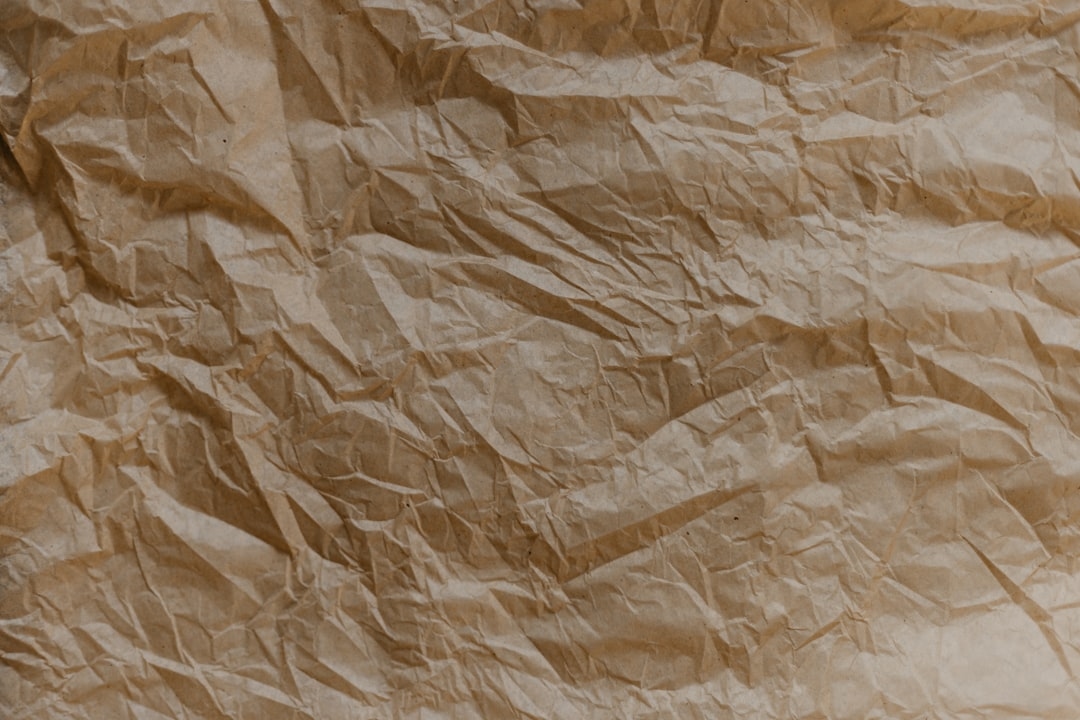
Contents:
- Why Brown Paper Works for Flower Wrapping
- Brown Paper vs. Tissue Paper: Know the Difference
- How to Wrap Flowers with Brown Paper: Step-by-Step
- What You’ll Need
- Prepare Your Flowers First
- The Wrapping Technique
- Finishing Touches That Elevate the Look
- Eco-Friendly Wrapping Options to Consider
- Common Mistakes to Avoid
- Frequently Asked Questions
- What kind of brown paper is best for wrapping flowers?
- How do you keep flowers fresh inside brown paper wrapping?
- Can you wrap flowers with brown paper ahead of time?
- How much brown paper do you need to wrap a bouquet?
- Is brown paper wrapping better than cellophane for flowers?
- Ready to Wrap Your Next Bouquet?
What separates a forgettable bouquet from one that stops people in their tracks? Often, it’s not the flowers themselves — it’s the wrapping. Brown paper has quietly become the go-to choice for florists, farmers’ market vendors, and home gardeners who want their arrangements to look considered rather than costume-y. But getting it right takes more than just rolling stems into a sheet of kraft paper.
Why Brown Paper Works for Flower Wrapping
Brown kraft paper does several things other wrapping materials can’t. It’s breathable, which means condensation doesn’t build up against the stems the way it does inside cellophane. It’s rigid enough to hold its shape but flexible enough to fold cleanly. And visually, it complements almost every flower color — the warm neutral tone doesn’t compete with pinks, corals, whites, or deep burgundies.
There’s also the sustainability angle. Standard kraft paper is made from wood pulp using a chemical process that retains more of the wood’s natural strength than bleached paper. It’s recyclable, compostable, and biodegradable — unlike the plastic sleeves most grocery store bouquets come wrapped in. If you’re sourcing flowers for a wedding, shower, or event and care about waste, brown paper is a straightforward upgrade.
One more practical point: kraft paper is inexpensive. A 50-foot roll of 30 lb. natural kraft paper costs around $12–$18 at most craft or shipping supply stores. That’s enough to wrap 20–30 medium bouquets.
Brown Paper vs. Tissue Paper: Know the Difference
These two get confused constantly, and they’re not interchangeable. Tissue paper is thin, delicate, and tears easily when wet — fine for dry goods or gift boxes, but it deteriorates fast when flower stems weep moisture onto it. It also lacks the structural support needed to hold a bouquet shape during transport.
Kraft paper (the brown paper most florists use) is a different product entirely. It has a weight rating — typically 30 lb. to 50 lb. — that reflects its thickness and durability. For wrapping flowers, 30 lb. kraft is the sweet spot: sturdy enough to hold the bouquet shape, light enough to fold crisply. Anything heavier gets stiff and awkward to work with.
If you want a softer look, some florists layer a sheet of tissue inside a kraft outer wrap. The tissue provides color or texture; the kraft provides structure. That combination works especially well for romantic or vintage event aesthetics.
How to Wrap Flowers with Brown Paper: Step-by-Step
What You’ll Need
- 30 lb. natural kraft paper (one sheet per bouquet, roughly 24″×24″)
- Floral scissors or sharp craft scissors
- Jute twine, raffia, or a rubber band for securing
- Optional: tissue paper for lining, floral tape for stem conditioning
Prepare Your Flowers First
Don’t skip this step. Strip any leaves that will fall below the wrap line — usually anything in the bottom third of the stem. Wet foliage trapped against stems accelerates bacterial growth and shortens vase life significantly. Give cut stems a fresh diagonal cut, ideally under running water, right before you wrap. This keeps the water-uptake channels open.
If you’re transporting the bouquet more than 30 minutes, wrap a damp paper towel around the stem ends and secure it with a rubber band before adding the kraft paper outer wrap. The flowers will stay hydrated without soaking through the paper.
The Wrapping Technique
- Lay your kraft paper flat and orient it as a diamond shape in front of you, with one point toward you.
- Place the bouquet diagonally across the paper, stems pointing toward the lower-left corner, blooms toward the upper-right. Position the stems so about 4–5 inches extend past the paper’s bottom point.
- Fold the bottom point up over the stems, snug but not tight. This creates the base of the cone.
- Bring the left side of the paper across the front of the bouquet, wrapping diagonally toward the right.
- Bring the right side across to complete the cone. The front of the wrap should sit lower than the back, so the flower heads are fully visible from the front.
- Secure just below the bloom heads with twine or a rubber band. Don’t tie it at the base of the stems — that makes the bouquet awkward to hold and harder to present.
Finishing Touches That Elevate the Look
A single length of jute twine tied in a loose knot looks cleaner than a bow for everyday or rustic arrangements. For events, a double-sided satin ribbon in a contrasting color (deep green against natural kraft, for example) adds formality without looking overdone. Some florists add a small sprig of eucalyptus or a dried flower tucked into the exterior fold — this takes about 10 seconds and makes the wrapping feel intentional.
If you’re handing bouquets to guests at a wedding or event, fold the top edges of the paper back slightly to create a collar effect. It frames the flowers and prevents the paper from poking guests in the face when they carry it.
Eco-Friendly Wrapping Options to Consider
Natural kraft paper is already a solid environmental choice, but you can go further. Recycled kraft paper (look for products with post-consumer recycled content) reduces virgin pulp demand. Seed paper — a specialty product embedded with wildflower seeds — can be composted after use and will actually grow plants. It costs more (around $0.50–$1.00 per sheet versus $0.25–$0.40 for standard kraft), but for weddings or eco-conscious events, the story it tells is worth the cost.
Avoid wax-coated kraft paper for bouquets. It looks similar but doesn’t breathe, isn’t compostable, and can’t be recycled with standard paper streams. Check the product description before buying in bulk.
Common Mistakes to Avoid
- Wrapping too tight at the stems: Flowers need some airflow. A stranglehold wrap stresses the stems and makes the bouquet harder to put in water later.
- Using paper that’s too small: A 24″×24″ sheet is the minimum for a standard bouquet. Go larger for tall stems or oversized arrangements — a 30″×30″ sheet for anything over 20 inches tall.
- Skipping stem prep: Stripped leaves and a fresh cut aren’t optional. They directly affect how long the flowers survive after wrapping.
- Forgetting the angle: The cone should always be asymmetrical — lower in front, higher in back. This is what makes bouquets look like they came from a florist rather than a gas station.
Frequently Asked Questions
What kind of brown paper is best for wrapping flowers?
30 lb. natural kraft paper is the most practical choice. It’s sturdy enough to hold a bouquet’s shape, flexible enough to fold cleanly, and breathable so moisture doesn’t damage the stems. Avoid wax-coated versions — they don’t breathe and can’t be recycled or composted.
How do you keep flowers fresh inside brown paper wrapping?
Wrap a damp paper towel around the cut stem ends before adding the outer kraft wrap. This keeps stems hydrated for up to 2–3 hours during transport. For longer periods, place the wrapped bouquet in a vase or bucket with an inch of water at the base of the kraft wrap.
Can you wrap flowers with brown paper ahead of time?
Yes, but no more than 2–3 hours before presenting or delivering them. Beyond that, the paper may absorb moisture and soften, losing its structural integrity. Prep your stems ahead of time, but wrap close to when you need them.
How much brown paper do you need to wrap a bouquet?
A single sheet of roughly 24″×24″ handles most standard bouquets (10–15 stems). For larger arrangements or stems over 20 inches, cut a 30″×30″ sheet. A standard 50-foot roll (24 inches wide) will wrap approximately 25 medium bouquets.
Is brown paper wrapping better than cellophane for flowers?
For most purposes, yes. Kraft paper is breathable, biodegradable, and visually more attractive than plastic cellophane. Cellophane does have one advantage: it’s waterproof, which makes it better for arrangements that need to sit in water during a long event. For gifting or transport, brown paper is the stronger choice on nearly every metric.
Ready to Wrap Your Next Bouquet?
Pick up a roll of 30 lb. kraft paper before your next event — it takes up almost no storage space and the cost per bouquet is minimal. Practice the diagonal cone technique once or twice with inexpensive flowers before you do it for something that matters. After two or three tries, it becomes second nature. The result is a bouquet that looks like it came from a proper florist, holds up during transport, and leaves behind nothing but paper scraps that can go straight into the compost bin.