How Much Does a Small Flower Arrangement Cost?
6 min read
Contents:
- What Counts as a “Small” Flower Arrangement?
- Average Pricing: What You’ll Actually Pay
- Delivery and Service Fees
- Regional Price Differences Across the US
- How Seasonality Affects Small Flower Arrangement Cost
- The Eco-Friendly Angle: Sustainable Florals and Their Cost
- Practical Tips for Getting the Best Value
- Frequently Asked Questions
- What is the average cost of a small flower arrangement?
- How many flowers are in a small arrangement?
- Why do flower arrangement prices vary so much?
- Are dried flower arrangements cheaper than fresh ones?
- How far in advance should I order a small flower arrangement?
- Planning Your Floral Budget: Next Steps
In Victorian England, the language of flowers — called floriography — was so elaborate that a small posy could carry an entire coded message. A handful of violets tucked with white roses meant “I’ll be faithful.” Senders chose each stem with deliberate care, not because arrangements were expensive, but because every flower carried weight. Today, that same thoughtfulness drives how people shop for florals: not just “what looks nice,” but “what fits my budget, my event, and my values.” Understanding small flower arrangement cost is the first step toward making that choice wisely.
What Counts as a “Small” Flower Arrangement?
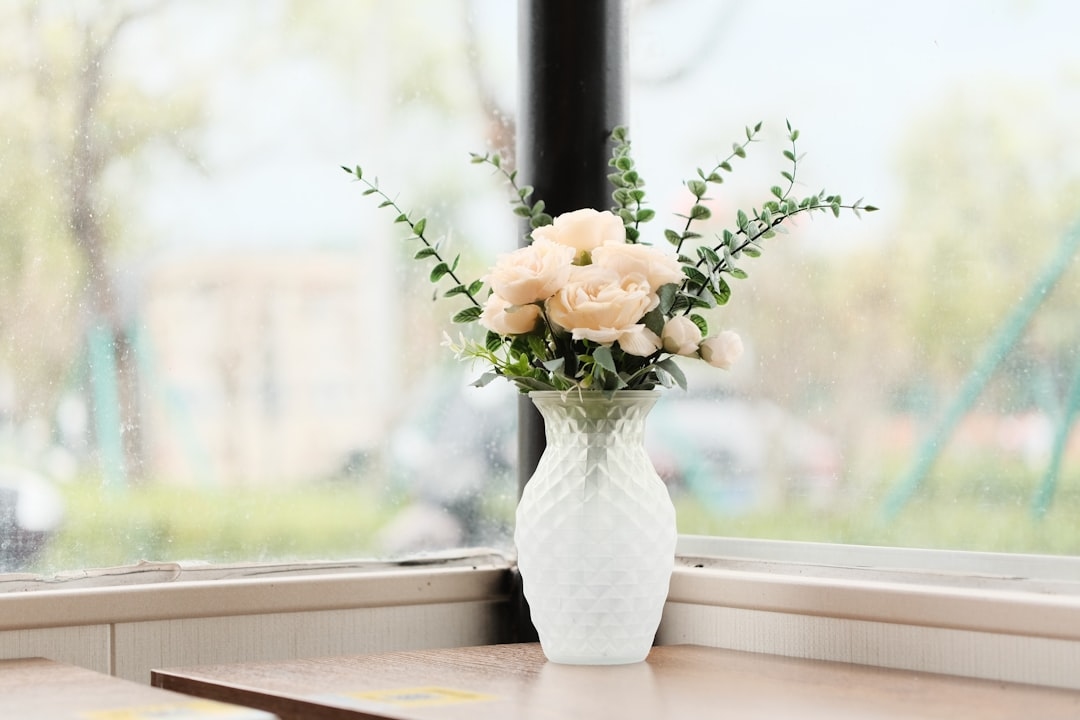
Size definitions vary by florist, but a small arrangement typically refers to a design that fits within a 6- to 8-inch diameter — think a compact centerpiece, a bud vase cluster, or a single-stem arrangement in a mason jar. These are distinct from boutonnieres or corsages, which are priced separately, and from full centerpieces that anchor a banquet table.
A standard small fresh arrangement at a retail florist usually contains between 5 and 12 stems. The container — whether glass, ceramic, or a simple wrapped bundle — is often included in the quoted price, though premium vessels can add $10–$25 to the total.
Average Pricing: What You’ll Actually Pay
Across the United States, a small flower arrangement from a local florist typically runs between $35 and $85. That range covers a simple, seasonal bloom cluster on the low end and a more curated, mixed-stem design with foliage on the high end. Grocery store floral departments offer pre-made small arrangements starting around $12–$20, though the stem count and longevity are generally lower.
Custom orders — where you choose specific flowers, colors, and vessels — almost always start at $50 and can climb to $100 or more depending on the stems involved. Peonies, garden roses, and ranunculus add cost quickly. A five-stem peony arrangement alone can reach $65–$75 during peak season.
Delivery and Service Fees
Most florists charge a delivery fee between $10 and $20 within their local zone. Same-day delivery, when available, often adds a $5–$15 surcharge. Online floral platforms like 1-800-Flowers or Teleflora advertise small arrangements starting at $29.99, but service fees, delivery, and handling can push the final total to $55–$70.
Regional Price Differences Across the US
Geography matters more than most shoppers expect. In the Northeast — particularly New York City and Boston — small arrangements from independent florists regularly start at $65, with Manhattan shops often quoting $80–$120 for anything beyond a simple bud vase. Labor costs and real estate drive those numbers up.
In the South, particularly in cities like Nashville, Charlotte, and Atlanta, the same arrangement often runs $40–$65. Local flower farms in states like Georgia and North Carolina can supply florists directly, keeping costs lower and stems fresher. Rural areas trend even cheaper, sometimes as low as $25–$35 for a seasonal hand-tied bouquet.
On the West Coast, California’s proximity to major flower-growing regions in Carpinteria and Half Moon Bay gives florists access to fresher local product — but high operating costs in cities like San Francisco and Los Angeles mean prices often rival the Northeast. Expect $55–$90 for a small custom arrangement in most urban California markets. Portland and Seattle tend to fall slightly lower, around $45–$75.
How Seasonality Affects Small Flower Arrangement Cost
Flower pricing follows agricultural logic: abundant supply lowers cost, scarcity raises it. Tulips in April cost half what they do in October. Peonies hit their lowest price point in late spring (May–June) and are nearly unavailable — or prohibitively expensive — in December.
Ordering arrangements built around what’s in season can cut your per-arrangement cost by 20–35%. A florist working with locally available dahlias in September will price that arrangement notably lower than one sourcing imported roses for the same date.
The three most expensive windows for flower purchasing in the US are Valentine’s Day (late January through February 14), Mother’s Day weekend, and the peak wedding season (May through October). If your event falls near any of these dates, budget 15–30% higher than standard pricing and book at least two to three weeks in advance.
The Eco-Friendly Angle: Sustainable Florals and Their Cost
Sustainably sourced flowers — those grown without synthetic pesticides, often certified by organizations like Veriflora or the Rainforest Alliance — are increasingly available through specialty florists and direct farm-to-table services like Farmgirl Flowers and The Bouqs Co. These arrangements typically cost 10–20% more than conventionally sourced options.
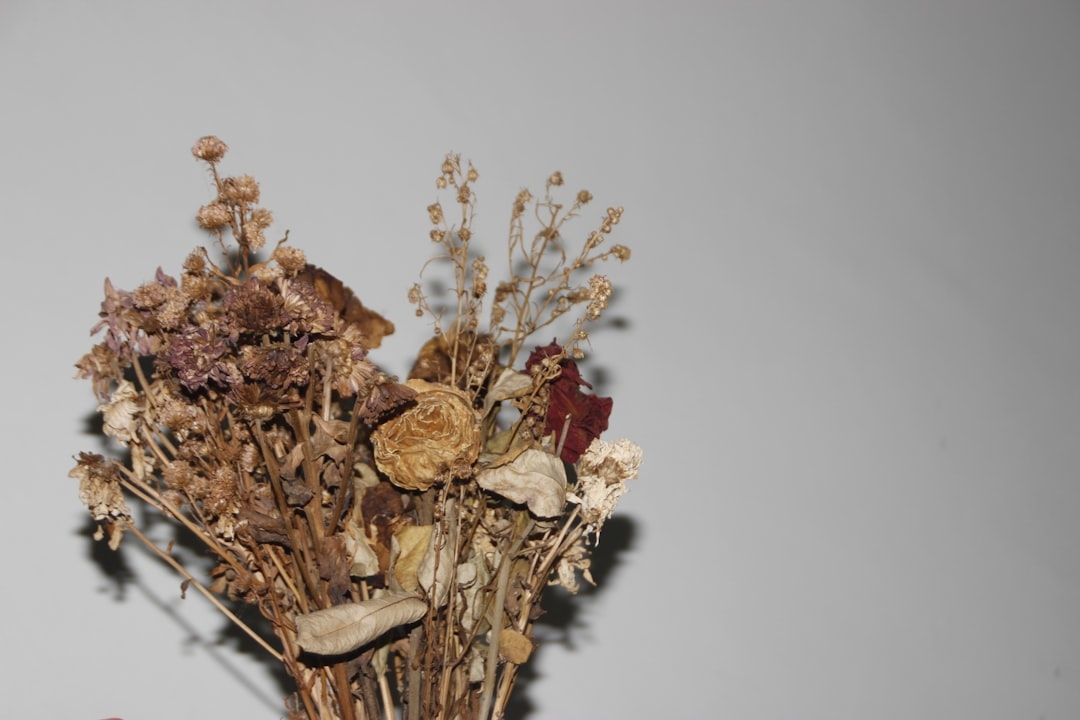
Dried and preserved flower arrangements are another eco-conscious choice. A small dried arrangement — featuring pampas grass, lunaria, or dried lavender — can run $30–$60 and lasts indefinitely without water. For event decor that guests will take home or that needs to survive a long setup window, dried florals offer genuine value per dollar spent.
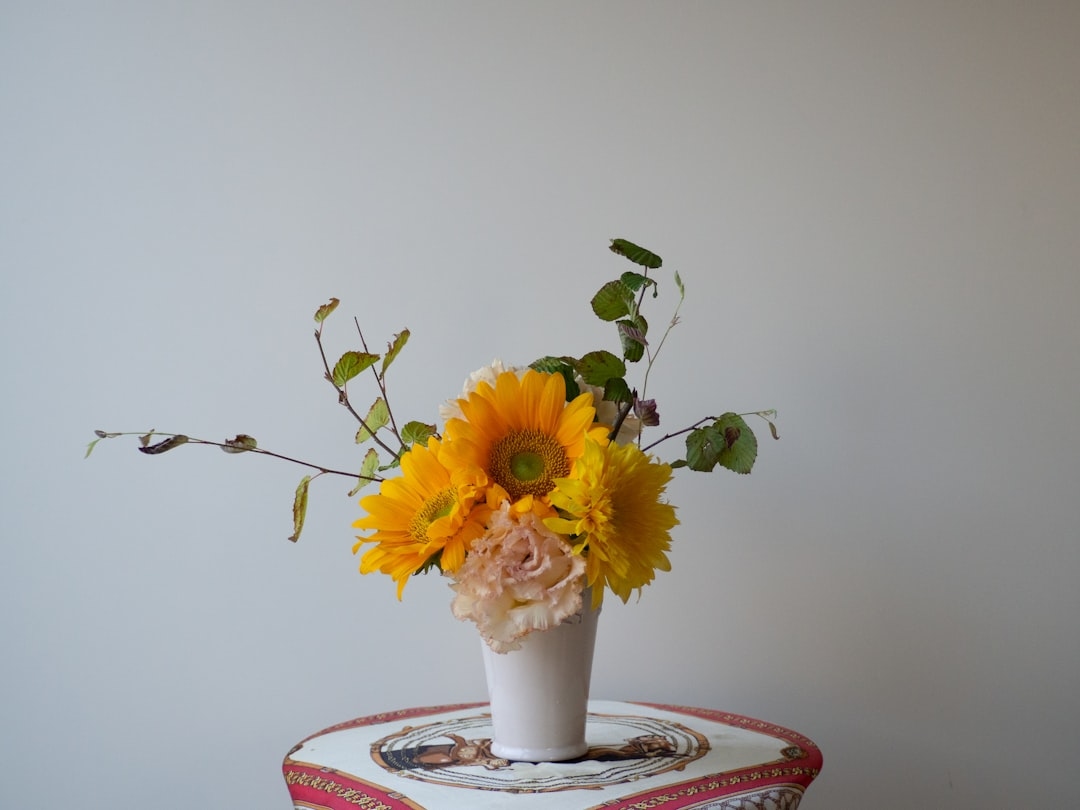
Potted plant alternatives (small succulents, herbs, or blooming plants like kalanchoe) sit at $10–$25 and produce zero waste — guests can take them home and continue growing them. For eco-minded event planners, this is worth pricing out alongside traditional cut flower options.
💡 What the Pros Know
Experienced event florists often suggest ordering one “hero” arrangement — a slightly larger, more detailed piece — and filling the remaining table or display with simple bud vases at $8–$15 each. This creates visual variety and perceived abundance at a fraction of the cost of ordering multiple full arrangements. A single $70 centerpiece paired with four $12 bud vases reads as intentional and styled, not budget-constrained.
Practical Tips for Getting the Best Value
- Ask about “market flowers”: Many florists offer arrangements built from whatever is freshest and most available that week. These are usually 15–25% cheaper than requesting specific stems.
- Order in multiples: Florists often discount when you order five or more arrangements at once. A single small arrangement at $55 might drop to $42–$48 each when ordering six.
- Pick up instead of delivering: Skipping delivery saves $10–$20 per order and sometimes gives you access to arrangements not listed online.
- Book off-peak: Arrangements for a Tuesday luncheon will cost less and get more florist attention than those for a Saturday afternoon.
- Reuse vessels: Provide your own containers — mason jars, vintage bottles, ceramic pots — and ask florists to arrange directly into them. This eliminates the vessel markup entirely.
Frequently Asked Questions
What is the average cost of a small flower arrangement?
A small flower arrangement from a local US florist typically costs between $35 and $85, depending on the flowers, region, and whether delivery is included. Grocery store options start lower at $12–$20 but with fewer stems and shorter vase life.
How many flowers are in a small arrangement?
Most florists define a small arrangement as containing 5 to 12 stems, often supplemented with filler greenery or foliage. The exact count depends on the flower type — larger blooms like sunflowers or peonies use fewer stems than smaller ones like spray roses or chamomile.
Why do flower arrangement prices vary so much?
Price variation comes from flower type and availability, regional labor and overhead costs, seasonality, whether the design is custom or pre-made, and service fees like delivery. Premium flowers such as peonies, garden roses, and orchids can double the base price of an arrangement.
Are dried flower arrangements cheaper than fresh ones?
Dried arrangements typically cost $30–$60 for a small size — comparable to fresh options — but they last indefinitely. Over time, they deliver better value, especially for home decor or events where longevity matters.
How far in advance should I order a small flower arrangement?
For standard arrangements, 3–5 days notice is usually sufficient. During peak seasons (Valentine’s Day, Mother’s Day, May–October weddings), order at least 2–3 weeks ahead. Custom or specialty arrangements may require even more lead time.
Planning Your Floral Budget: Next Steps
Now that you have a clear picture of small flower arrangement costs across different regions, seasons, and sourcing choices, the next move is simple: contact two or three local florists with your event date, color palette, and approximate quantity. Ask specifically about market flowers and any volume discounts. Bring a photo reference — florists work faster and more accurately with visual input, and you’re more likely to get a quote that actually matches your expectations.
If sustainability matters to your event’s brand or values, ask directly whether the shop sources from domestic farms or carries any certified eco-friendly product. More florists offer this than advertise it. The conversation is always worth starting.