How Much Does a Dozen Roses Cost in 2026?
7 min read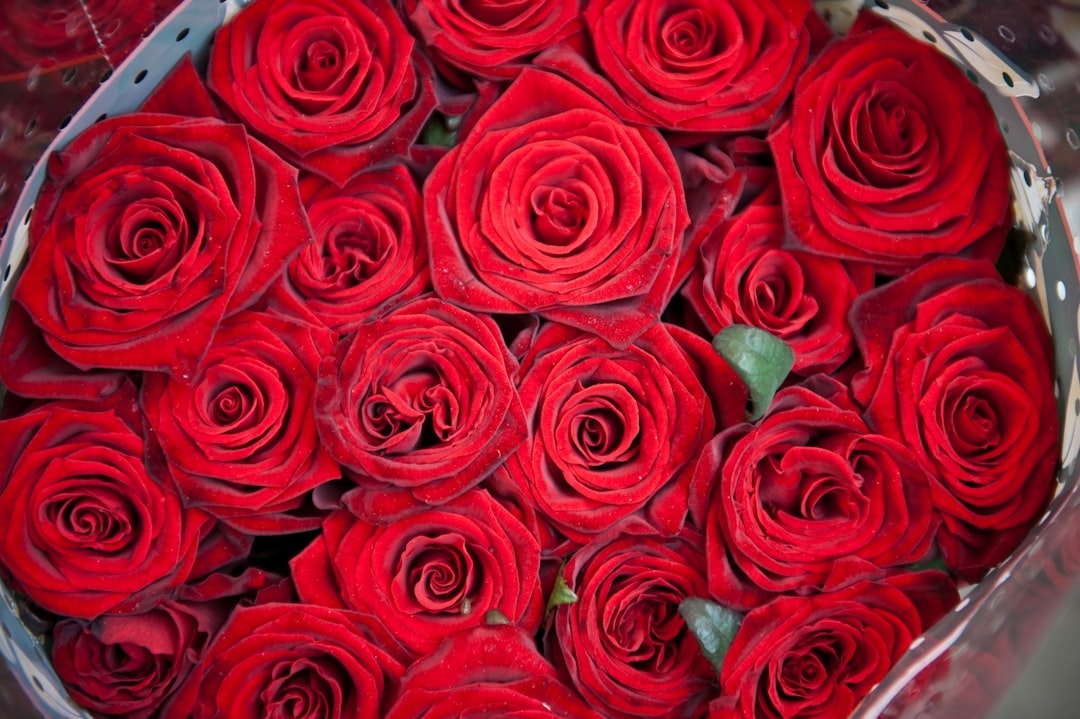
Contents:
- Why Dozen Roses Cost So Much — and Sometimes So Little
- Average Dozen Roses Cost by Purchase Location
- Quick Cost Breakdown: What You’re Actually Paying For
- Seasonal Pricing: When the Dozen Roses Cost Surges
- The Valentine’s Day Premium
- Rose Varieties and Their Price Differences
- How to Get the Best Value on a Dozen Roses
- Frequently Asked Questions About Dozen Roses Cost
- What is the average cost of a dozen roses in the US?
- Why are roses more expensive on Valentine’s Day?
- How many roses are in a standard florist dozen?
- Are expensive roses worth the extra cost?
- Can I buy roses cheaper by the stem than by the dozen?
- Plan Your Purchase Around the Calendar
The scent hits you first — that soft, green-tinged sweetness drifting from a cellophane-wrapped bundle near the checkout lane. Then you see the price tag, and the romance either holds or quietly deflates. A dozen roses cost anywhere from $15 to over $200, depending on where you buy them, the variety, the season, and how far they need to travel to reach your hands. That range is not an exaggeration. It reflects a genuinely complex flower market shaped by geography, timing, and human sentiment.
Why Dozen Roses Cost So Much — and Sometimes So Little
Roses are one of the most traded cut flowers on earth. The United States imports roughly 80% of its cut roses from Colombia and Ecuador, where high-altitude farms produce blooms with longer stems and tighter heads than most domestic growers can match. That supply chain — from Andean greenhouse to American vase — includes cold storage, air freight, customs clearance, and regional distribution. Every link adds cost.
Domestic roses, grown mainly in California, tend to be pricier per stem because of higher labor and land costs. They do offer one real advantage: fresher flowers with a longer vase life, sometimes reaching 10 to 14 days compared to 5 to 7 for heavily traveled imports.
Retail markup layers on top of all that. A supermarket operates on thin margins and buys roses by the thousands, passing savings to shoppers. A boutique florist buys smaller quantities, invests in skilled design labor, and charges accordingly. Neither is overcharging — they’re just selling different products.
Average Dozen Roses Cost by Purchase Location
Here is a realistic breakdown of what you can expect to pay across the most common buying channels in 2026:
- Grocery store or wholesale club (e.g., Costco, Trader Joe’s, Kroger): $15–$35. These are typically standard-length stems (40–50 cm), mixed or single colors, with minimal presentation. Costco often sells two-dozen bundles for around $25–$30, making them the lowest cost-per-stem option available.
- Mass-market florist chains (e.g., 1-800-Flowers, FTD, Teleflora): $40–$85 for a basic dozen, delivered. Prices spike significantly around Valentine’s Day and Mother’s Day — sometimes doubling. Delivery fees ($15–$25) and service charges push totals higher.
- Local independent florists: $50–$120. You’re paying for design expertise, premium stem selection, and often locally sourced or specialty varieties. Many offer same-day delivery within a set radius.
- Online rose specialists (e.g., Venus ET Fleur, UrbanStems, The Bouqs): $60–$150+. Bouqs sources directly from Ecuadorian farms, which can improve freshness. Venus ET Fleur sells luxury preserved roses that last up to a year, with prices starting around $109 for a single dozen in a hat box.
- High-end or luxury florists: $100–$250+. Garden roses (such as David Austin varieties), premium long-stem roses (70–80 cm stems), and rare colors like lavender or black-tipped varieties command top dollar.
Quick Cost Breakdown: What You’re Actually Paying For
- Stem length: Standard (40–50 cm) vs. premium long-stem (60–80 cm) can add $20–$40 to a dozen
- Variety: Hybrid tea roses vs. garden roses vs. spray roses vary widely — garden roses like Juliet or Keira can cost $4–$8 per stem wholesale
- Color: Red roses cost more around Valentine’s Day due to demand; unusual colors (peach, lilac, ivory) may carry a year-round premium
- Packaging: Plain wrap vs. glass vase vs. luxury box adds $10–$50
- Delivery: Same-day delivery typically adds $15–$30; next-day or scheduled can be cheaper
Seasonal Pricing: When the Dozen Roses Cost Surges
Roses are not priced the same year-round. Three dates reshape the entire market: Valentine’s Day (February 14), Mother’s Day (second Sunday in May), and Christmas/New Year’s. During Valentine’s week, wholesale rose prices can increase by 200–400% compared to non-peak periods. That $30 grocery store dozen? It becomes $60–$80. The $75 florist arrangement? Easily $130 or more.
If your occasion is flexible, the cheapest weeks to buy roses are typically mid-January, late March through April (post-Easter), and September through early November. During these windows, farms are producing surplus stock and retailers discount aggressively to move inventory.
The Valentine’s Day Premium
The National Retail Federation estimated that Americans spent over $2.4 billion on flowers for Valentine’s Day in recent years, with roses representing the dominant share. Growers plant specifically for this window, but demand still outpaces supply in most markets, keeping prices elevated. Ordering at least 10–14 days early is the single most effective way to avoid holiday surcharges.
Rose Varieties and Their Price Differences
Not all roses are created equal, and variety affects price more than most buyers realize.
- Hybrid Tea Roses: The classic long-stemmed rose with one large bloom per stem. Most common in commercial floral trade. Price: $3–$6 per stem retail.
- Spray Roses: Multiple small blooms per stem, giving a fuller look. Often used in arrangements to add volume. Price: $2–$4 per stem.
- Garden Roses (English Roses): Lush, multi-petaled, heavily fragrant. Bred by growers like David Austin. Price: $5–$12 per stem retail, sometimes more.
- Preserved Roses: Real roses treated with glycerin-based solutions to last months or years without water. Price: $8–$20 per stem depending on brand.
- Novelty Roses: Rainbow-dyed, glittered, freeze-dried, or tinted varieties. Price varies widely — $5–$15 per stem depending on treatment complexity.
🌹 What the Pros Know
Professional florists buy roses by the “bunch,” which is typically 25 stems per bunch at wholesale. At a quality wholesaler like the San Francisco Flower Mart or the New York Flower District, a single bunch of standard red hybrid teas runs $15–$30 during non-peak periods — meaning the cost per stem is roughly $0.60–$1.20 before markup. Retail markups of 3x to 5x are standard. If you live near a wholesale flower market and can shop there (many allow public access on weekday mornings), you can build a stunning dozen for well under $20 total.
How to Get the Best Value on a Dozen Roses
Stretching your budget doesn’t mean settling for wilted stems. These strategies work reliably:
- Buy mid-week from grocery stores: New floral shipments often arrive Monday through Wednesday. Tuesday morning is frequently the freshest window at major chains.
- Visit a wholesale flower market: Cities including Los Angeles, Chicago, Miami, and Dallas have public wholesale markets. Bring cash, arrive early (5–8 AM), and buy in bulk if possible.
- Order online outside peak periods: Services like The Bouqs offer farm-direct roses with free standard shipping on first orders. Non-holiday pricing is significantly lower.
- Ask your florist about “market price” stems: Florists sometimes receive overstock or near-expiration stock they sell at a discount. Call and ask — many will sell loose stems at favorable rates.
- Choose spray roses or mixed arrangements: A dozen spray roses delivers more visual fullness than hybrid teas at typically half the cost per stem.
- Avoid same-day delivery when possible: Scheduling delivery two to three days out often removes the rush fee entirely.
Frequently Asked Questions About Dozen Roses Cost
What is the average cost of a dozen roses in the US?
The average dozen roses cost in the US is approximately $40–$65 when purchased from a mid-range florist or online delivery service during non-peak periods. Grocery store roses average $20–$35, while luxury arrangements can exceed $150.
Why are roses more expensive on Valentine’s Day?
Valentine’s Day demand for roses increases by an estimated 250–400% compared to typical weeks. Airlines charge more for floral freight, farms increase prices at the source, and retailers pass those costs on. Wholesale prices for red roses can jump from under $1 per stem to $3–$5 per stem during peak Valentine’s week.
How many roses are in a standard florist dozen?
A florist dozen contains exactly 12 stems. Some premium services offer “baker’s dozen” arrangements of 13 stems as a value-add, and many grocery chains sell bundles of 10 or 15 stems — so check the count before assuming it’s a traditional dozen.
Are expensive roses worth the extra cost?
For a casual gift, grocery store roses in good condition are entirely appropriate. For significant occasions — anniversaries, proposals, sympathy — premium roses from an independent florist offer noticeably larger blooms, longer vase life (often 10–14 days), and professional arrangement quality that $20 bundles typically cannot match.
Can I buy roses cheaper by the stem than by the dozen?
Almost never at retail. Buying a dozen almost always costs less per stem than purchasing individually. The exception is wholesale markets, where stems can be purchased individually but pricing favors full bunch quantities (25 stems).
Plan Your Purchase Around the Calendar
The dozen roses cost you’ll encounter is not fixed — it moves with seasons, occasions, and sourcing decisions. A thoughtful buyer who shops mid-week in October from a farm-direct service or a local wholesale market can build a stunning arrangement for $20–$35. The same buyer who waits until February 13th and orders same-day delivery from a major chain will pay $100 or more for a comparable product.
Mark your floral dates on a calendar now. Set a reminder two weeks before any occasion where roses matter. That one habit — ordering early — is the single highest-return action you can take to manage rose costs without sacrificing quality. Your vase, and your wallet, will show the difference.