How Much Do Prom Corsages Cost? A Complete Price Breakdown
6 min read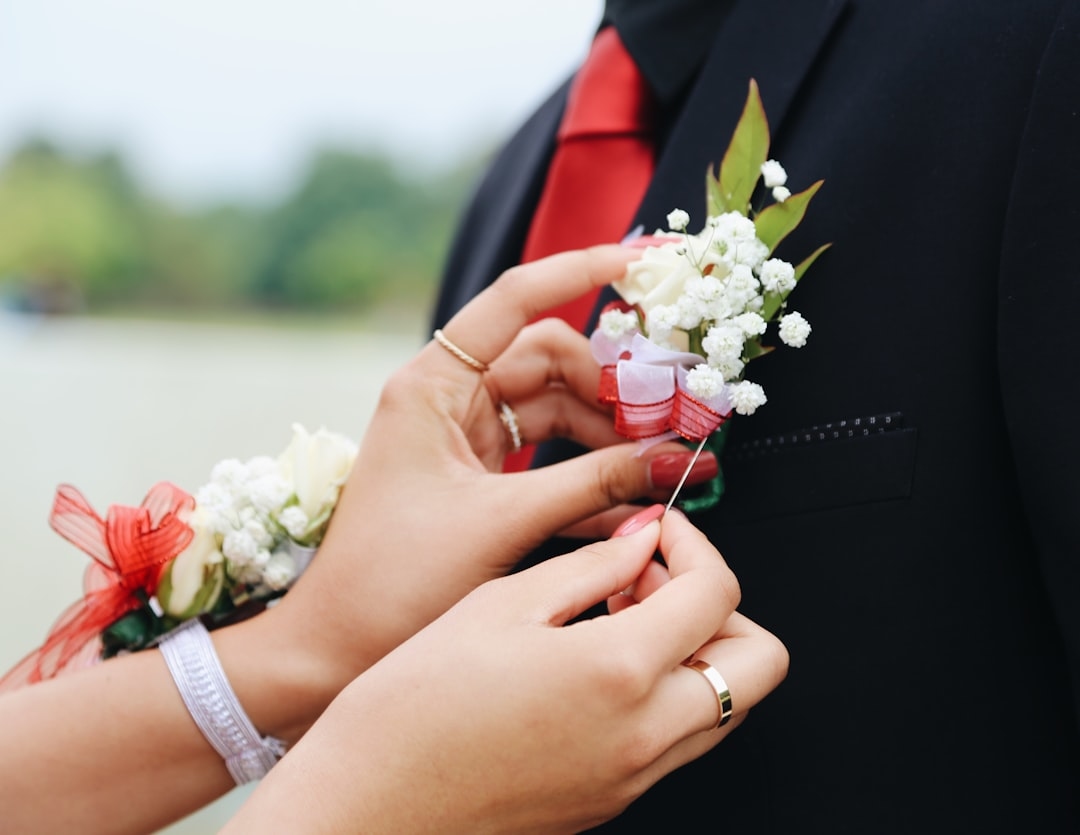
Contents:
- The Baseline: What Florists Charge for Prom Corsages
- Key Factors That Drive Prom Corsage Cost Up or Down
- Flower Choice
- Wristband Type
- Add-Ons and Embellishments
- Regional Pricing Differences
- The DIY Option: Building Your Own Corsage
- What You’ll Need for a Basic DIY Corsage
- Practical Tips for Getting the Best Value
- FAQ: Prom Corsage Cost Questions Answered
- What is the average cost of a prom corsage?
- Is it cheaper to make your own corsage?
- What flowers are used in prom corsages?
- How far in advance should I order a prom corsage?
- Do guys pay for the corsage or the girl?
- Start Small, Spend Smart
You’ve got the dress. You’ve got the date. Now someone mentions the corsage and suddenly you’re staring at a florist’s price list wondering why a few flowers on a wristband cost as much as a nice dinner. You’re not alone in that frustration. Prom corsage pricing feels opaque because it is opaque — florists bundle labor, design time, and specialty materials into a final number that rarely comes with a clear explanation.
This article breaks it all down. Whether you’re buying from a florist or building one yourself at the kitchen table, here’s exactly what drives prom corsage cost and how to get the most out of every dollar.
The Baseline: What Florists Charge for Prom Corsages
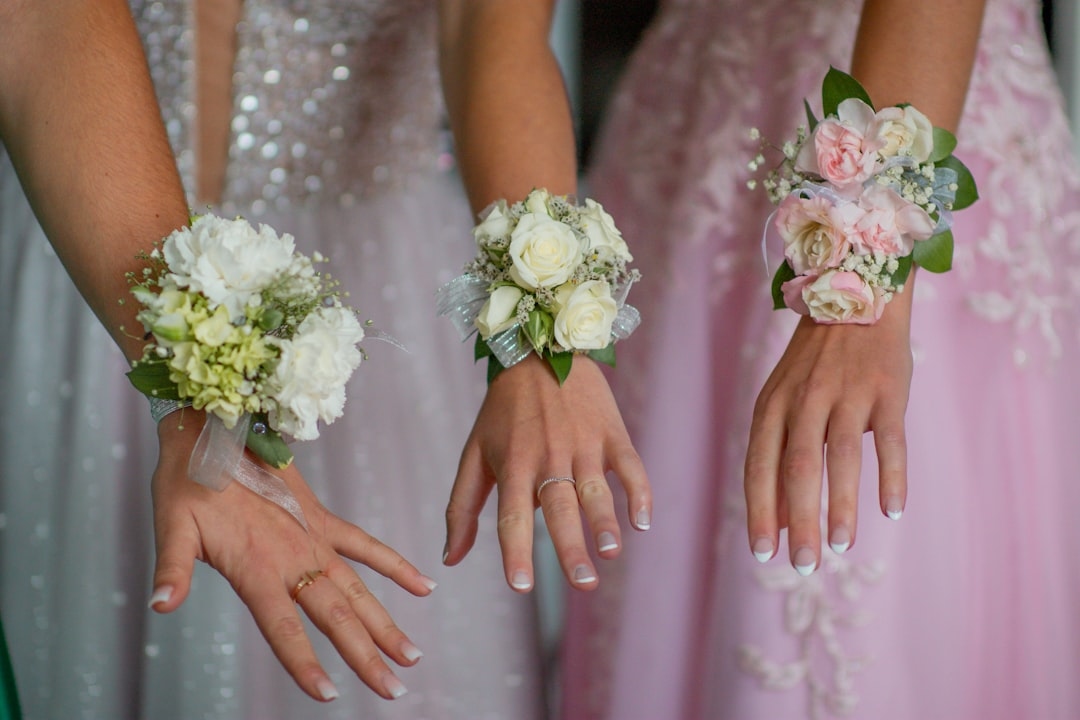
Walk into most American floral shops in the weeks before prom season — typically March through May — and you’ll find wrist corsage packages starting around $28 to $35 for a single-bloom design. That entry-level price usually gets you one focal flower (a spray rose or mini carnation), a few accent stems like waxflower or hypericum berries, basic greenery, and an elastic or ribbon wristband.
Step up to a standard two-bloom corsage with a satin ribbon wristband and you’re looking at $45 to $65. Add in premium flowers — garden roses, orchids, or ranunculus — and the price climbs to $70 to $90. Luxury corsages featuring dendrobium orchids, crystals, feathers, or custom metal wristbands from specialty vendors regularly exceed $100.
Labor is the hidden cost most people don’t consider. A skilled florist may spend 20 to 40 minutes constructing a single corsage — wiring individual petals, taping stems, assembling the mechanics invisibly. At a professional rate, that labor alone can represent $15 to $25 of your total bill.
Key Factors That Drive Prom Corsage Cost Up or Down
Flower Choice
This is the single biggest variable. Carnations and alstroemeria are workhorses — durable, affordable, and available year-round at roughly $1.50 to $3 per stem wholesale. Garden roses, on the other hand, can run $4 to $8 per stem wholesale, and retailers mark those up 2.5x to 3x. Choosing one statement rose over two or three spray roses can add $10 to $20 to your total without any visible difference in the finished size.
Wristband Type
The band itself is often overlooked. Standard elastic bands add virtually nothing to the cost — maybe $1 to $2. Satin ribbon wristbands run $3 to $6. Stretchy fabric bands with rhinestone accents are $5 to $10. High-end magnetic wristbands or hinged metal cuffs from companies like The Prom Box or Blooms by the Box can cost $15 to $30 on their own. If you order one of those from your florist, expect the markup to reflect that.
Add-Ons and Embellishments
Crystals, pearls, feathers, succulents, and LED fairy lights are all upsells that florists offer during prom season. Each feels small — $3 here, $5 there — but they accumulate fast. A corsage quoted at $45 can easily become $65 after a “just a few crystals” conversation at the counter.
Regional Pricing Differences
Geography matters. Florists in metropolitan areas like New York, Los Angeles, or Chicago charge more across the board due to higher overhead. Expect to pay 20 to 30 percent more than the national average in major cities. Rural shops and small-town florists often offer the same quality flowers at noticeably lower prices, sometimes 15 to 20 percent below the national baseline.
The DIY Option: Building Your Own Corsage
Here’s a reader story that illustrates the potential perfectly: A mom in Ohio ordered a corsage quote from three local florists for her daughter’s junior prom. Quotes came back at $58, $67, and $72 — all for what sounded like similar designs. She decided to try making it herself. She bought two garden roses and a handful of waxflower stems from a grocery store floral department for $12, picked up floral tape, 26-gauge wire, and a satin wristband kit from a craft store for another $9, and watched two YouTube tutorials. Total materials: $21. Total time: about 45 minutes. The result was, by her account, indistinguishable from the florist versions in photos.
That’s not an anomaly. DIY corsages consistently come in at $10 to $25 in materials when you source flowers from grocery stores, farmer’s markets, or wholesale floral suppliers like Sam’s Club or Costco during prom season. The tools — floral wire, floral tape, stem cutters — are inexpensive and reusable.
What You’ll Need for a Basic DIY Corsage
- 2–3 focal flowers (roses, ranunculus, or spray roses)
- Small accent stems (waxflower, baby’s breath, or eucalyptus)
- 26-gauge and 22-gauge floral wire
- Green floral tape
- Ribbon or a pre-made wristband kit
- Sharp floral scissors or snips
The single most important technique to learn is wiring individual flower heads so they hold their shape and position. A wired corsage stays intact through a full night of dancing; an unwired one droops within hours. Invest 20 minutes learning this one skill and the rest follows naturally.
Practical Tips for Getting the Best Value
- Order early. Florists often raise prices in the final two weeks before prom as demand spikes. Booking 4 to 6 weeks out can save you $10 to $15.
- Bring a photo, not a description. Vague requests like “something pretty in pink” invite upselling. A reference image locks in the design and prevents scope creep.
- Match the corsage to the boutonniere budget. Many couples spend $25 to $35 on a boutonniere; aiming for a corsage in the same range keeps the pairing cohesive without overspending on one piece.
- Ask about package deals. Some florists discount 10 to 15 percent when you order a corsage and boutonniere together as a set.
- Check grocery store floral departments. Kroger, Whole Foods, and Trader Joe’s all sell pre-made prom corsages in the $18 to $35 range during April and May — a legitimate middle ground between full DIY and a specialty florist.
FAQ: Prom Corsage Cost Questions Answered
What is the average cost of a prom corsage?
The national average prom corsage cost from a florist is approximately $45 to $65 for a standard wrist corsage. Budget designs start around $28, while premium versions with luxury flowers or specialty wristbands can exceed $100.
Is it cheaper to make your own corsage?
Yes, significantly. DIY corsages typically cost $10 to $25 in materials, compared to $45 to $75 at a florist. The savings come primarily from avoiding labor charges, which can represent $15 to $25 of a florist’s total price.
What flowers are used in prom corsages?
Common choices include roses (spray or garden), mini carnations, orchids, ranunculus, and alstroemeria. Accents like waxflower, baby’s breath, hypericum berries, and eucalyptus are used to fill out the design. Orchids and garden roses are the most expensive options; carnations and alstroemeria are the most affordable.
How far in advance should I order a prom corsage?
Order at least 3 to 4 weeks before prom. Waiting until the week of the event risks limited flower availability, rushed work, and potential price increases. Popular florists in smaller towns may fill their prom slots even earlier.
Do guys pay for the corsage or the girl?
By traditional convention in the US, the person asking someone to prom purchases the corsage for their date, while the date purchases the boutonniere. This custom is widely followed but not universal — many modern couples split costs or skip the tradition entirely.
Start Small, Spend Smart
Prom corsage cost doesn’t have to be a surprise. Now that you know what drives pricing — flower choice, wristband type, labor, and regional market — you can walk into any florist or craft store with a clear budget and a specific plan. If you’ve never tried a DIY floral project, a corsage is genuinely one of the best starting points: small scale, forgiving materials, and a hard deadline that keeps you focused. Pick up a few extra stems to practice wiring before the real thing. You might find that a $20 project delivers something you’re proud of handing across the corsage box — and that’s a feeling no florist markup can replicate.