How to Keep Sunflowers from Drooping in a Vase (And Keep Them Upright for Days)
8 min read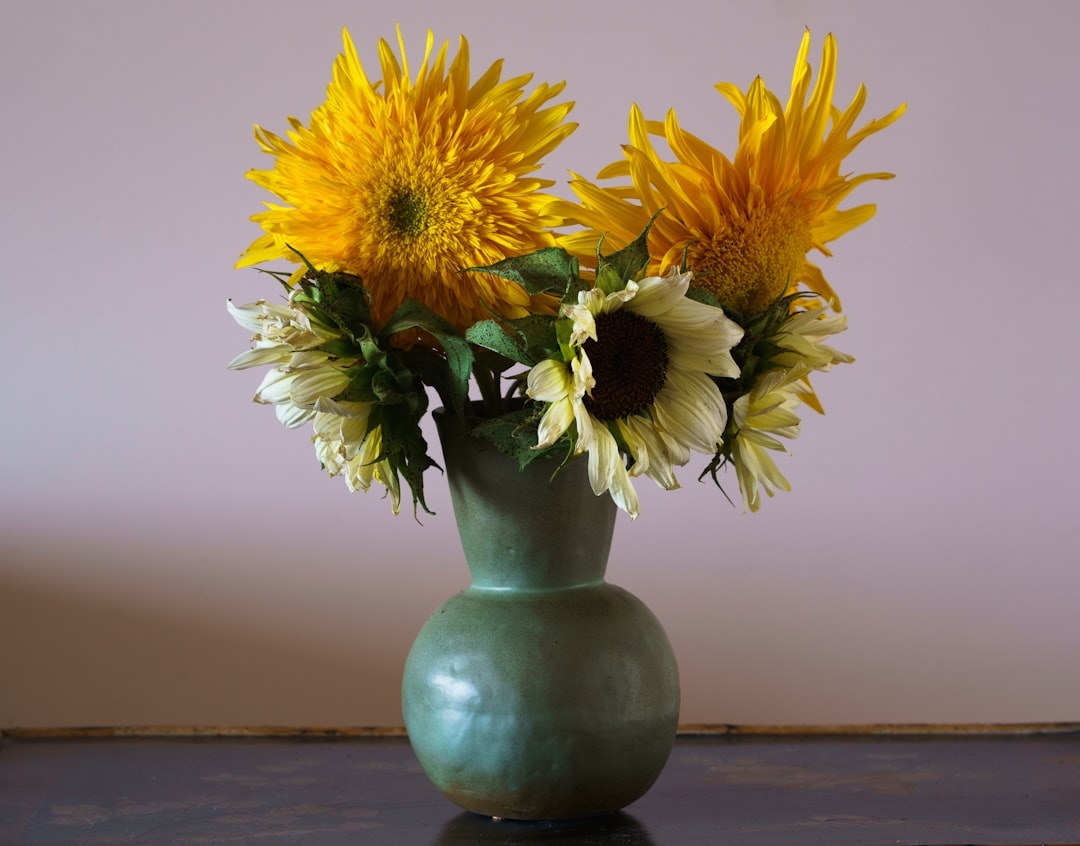
Contents:
- Why Sunflowers Droop in a Vase
- The Role of Bacteria
- The Right Way to Cut and Condition Sunflowers
- Conditioning: The Step Most People Skip
- Sunflowers Drooping Vase Fix: What to Do Right Now
- Vase Water Additives That Actually Help
- Common Mistakes to Avoid
- Sunflowers vs. Other Large-Headed Flowers: What’s Different
- An Eco-Friendly Approach to Cut Flower Care
- Frequently Asked Questions
- Why are my sunflowers drooping the day after I bought them?
- How much water do sunflowers need in a vase?
- Should I cut sunflower stems at an angle?
- How long do cut sunflowers last in a vase?
- Can drooping sunflowers be revived?
- Keep Your Next Bunch Standing
Why do sunflowers — plants that track the sun across the sky all day — collapse the moment you put them in a vase? It’s a frustrating contradiction, and if you’ve watched a fresh bouquet slump within 24 hours, you’re not alone. The good news: a sunflowers drooping vase fix is almost always within reach, and most of the causes are completely preventable with the right technique.
Cut sunflowers can last anywhere from 6 to 12 days with proper care. Most people get 3 to 4. The difference comes down to a handful of decisions made in the first hour after cutting — and a few ongoing habits that most buyers skip entirely.
Why Sunflowers Droop in a Vase
Drooping happens for one primary reason: the stem can’t deliver water fast enough to the flower head. Sunflower heads are large and heavy, which means they demand a serious, uninterrupted flow of water to stay upright. When that flow is disrupted — by air bubbles in the stem, bacterial buildup, warm water, or a cut that’s too old — the flower wilts almost immediately.
There’s also a structural factor. Sunflowers are heliotropic when young, meaning their stems actively bend toward light. Once cut, that biological mechanism doesn’t fully switch off. Place them near a window and the stems may curve unevenly, causing asymmetric drooping that looks like wilting but is actually phototropism. Keep cut sunflowers away from direct sun and rotate the vase every day to manage this.
The Role of Bacteria
Bacterial growth in vase water is the number one cause of premature wilting across all cut flowers — sunflowers included. Bacteria colonize the cut end of the stem within hours, physically blocking the vascular tissue (xylem) that draws water upward. A stem sitting in murky water from day two onward is essentially plugged. Clean water, changed every two days, makes a measurable difference. In one commonly cited floral industry study, flowers in clean water with commercial preservative lasted 60% longer than those in untreated tap water.
The Right Way to Cut and Condition Sunflowers
Start before the flower even hits the vase. Cut stems at a 45-degree angle — this increases the surface area available for water uptake compared to a flat cut. Use a sharp knife or floral shears, not scissors, which crush the vascular tissue instead of slicing it cleanly. The 45-degree angle also prevents the stem end from sitting flat on the bottom of the vase, which would seal off water absorption entirely.
Cut at least one inch off the stem immediately before placing in water, and do it while the stem is submerged if possible. This prevents air from entering the cut end during those first critical seconds. Air locks in the xylem are one of the fastest ways to trigger drooping within a few hours of arranging.
Conditioning: The Step Most People Skip
After cutting, place sunflowers in a bucket of cool water (around 60–65°F) in a dark, cool room for two to four hours before arranging. This process — called conditioning or hardening — allows the stems to fully hydrate before they face the stress of a decorative vase. Florists do this with every delivery. It adds a day or two of vase life with zero additional cost.
Remove all leaves that will sit below the waterline. Submerged foliage rots quickly, accelerating bacterial growth and fouling the water within 24 hours. Strip them cleanly before conditioning begins.
Sunflowers Drooping Vase Fix: What to Do Right Now
If your sunflowers are already drooping, act fast. Recut the stems by removing one to two inches at a 45-degree angle, change the water completely, and move the vase to the coolest room in your house — ideally somewhere between 65–70°F. Avoid placing them near fruit bowls: ripening fruit emits ethylene gas, which accelerates wilting in cut flowers. A banana on the counter three feet away can shorten vase life by a full day.
For severe drooping, try the newspaper wrap technique. Wrap the entire arrangement tightly in newspaper so the heads are fully supported, then stand the wrapped bouquet in two to three inches of cool water for two hours. The wrapping forces the stems to straighten as they rehydrate. It works about 70–80% of the time on sunflowers that have been drooping for less than 12 hours.
Vase Water Additives That Actually Help
Commercial flower food packets (the kind that come with grocery store bouquets) contain three ingredients: sugar for energy, an acidifier to lower pH and improve water uptake, and a biocide to slow bacterial growth. They work. Use them. If you don’t have a packet, a DIY version is: one tablespoon of sugar, one tablespoon of white vinegar, and a quarter teaspoon of bleach per quart of water. It’s not as precisely calibrated as commercial versions, but it extends vase life meaningfully compared to plain tap water.
Avoid adding aspirin, copper coins, or vodka. These are internet myths with no consistent evidence behind them. The aspirin trick is based on a misunderstanding of plant chemistry — salicylic acid in aspirin doesn’t function as a vase preservative the way it’s often claimed.
Common Mistakes to Avoid
- Using a vase that’s too short. Sunflower stems need to be in at least four to six inches of water. A shallow decorative vase that holds one inch won’t cut it.
- Placing them near heat sources. A sunny windowsill, a heat vent, or the top of a refrigerator will accelerate water loss through the petals and cause rapid wilting.
- Skipping stem recutting. If you haven’t recut the stems in 48 hours, the cut end has sealed over. Bacterial buildup and oxidation block absorption even in clean water.
- Using hot tap water. Always use cool or room-temperature water. Hot water contains more dissolved oxygen, which encourages air bubbles in the stem.
- Overcrowding the vase. Stems compete for water uptake when packed tightly. If stems are bent at odd angles to fit, you’re restricting flow before it even starts.
Sunflowers vs. Other Large-Headed Flowers: What’s Different
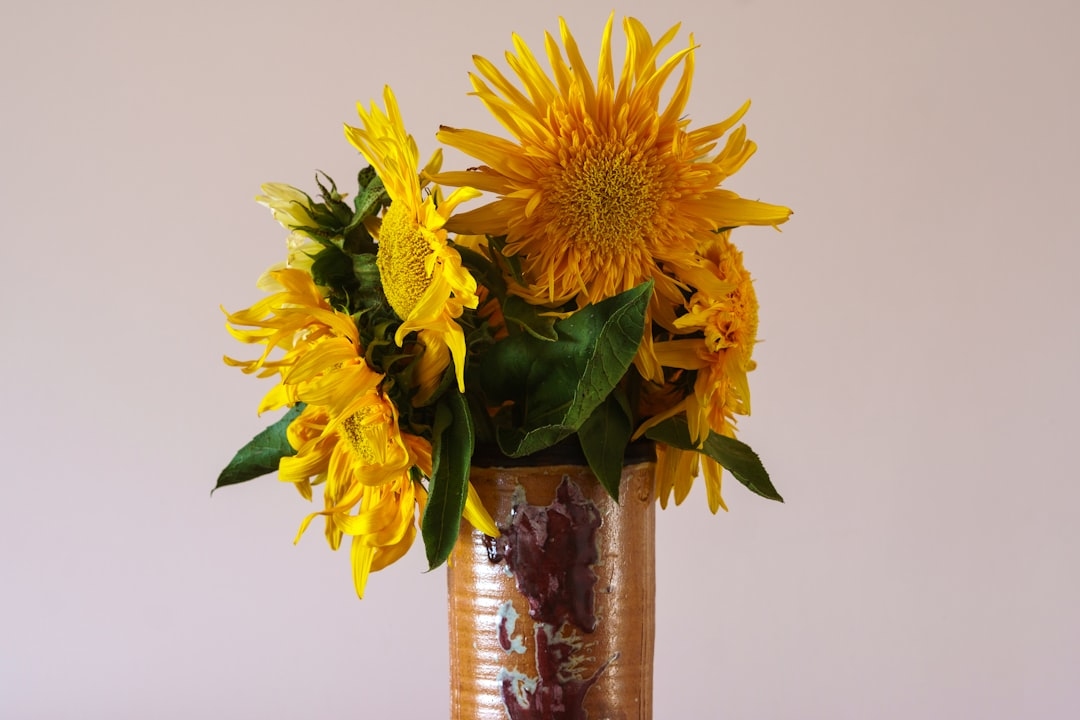
Sunflowers are often confused with dahlias when it comes to care, and the two are frequently grouped together in late-summer bouquets. The care requirements are actually quite different. Dahlias are notoriously delicate — they don’t tolerate recutting well, hate being moved, and prefer water at room temperature rather than cool. Sunflowers are more forgiving on all three counts, but they need significantly higher water volume because of their larger, heavier flower heads.
Zinnias are another common comparison. Zinnias droop for different reasons — primarily because they’re prone to hollow stem rot. With sunflowers, the issue is almost always vascular blockage or insufficient water depth. The drooping looks similar, but the fix is different: recutting and deep water work for sunflowers, while zinnias sometimes need their stem ends singed briefly with a flame to seal hollow sections before placing in water.
An Eco-Friendly Approach to Cut Flower Care
Most cut flowers in US grocery stores travel 3,000 to 5,000 miles from farms in Colombia, Ecuador, or Mexico before reaching a vase. Extending their vase life from four days to ten isn’t just about aesthetics — it reduces waste and gets more value from the carbon footprint already spent on transport and refrigeration. Locally grown sunflowers from farmers markets (available across US growing zones from June through October) are usually fresher by three to five days at point of sale compared to imported bunches, which means they arrive with more vase life remaining. Ask your farmer when they were cut — anything harvested within 24 hours is ideal.
When sunflowers do reach the end of their life, compost the stems and petals rather than sending them to landfill. Sunflower stems are high in carbon and make a useful addition to a brown-layer compost pile. Avoid composting water that contains bleach-based preservatives — dispose of it down the drain instead.
Frequently Asked Questions
Why are my sunflowers drooping the day after I bought them?
The most likely cause is that the stems weren’t recut before placing in the vase, or the flowers were already water-stressed during transport. Recut the stems at a 45-degree angle, change to fresh cool water with flower food, and move them to a cooler location. Most drooping sunflowers recover within two to four hours if treated quickly.
How much water do sunflowers need in a vase?
At least four to six inches of water, measured from the base of the vase. Sunflower heads are heavy and require significant water uptake to stay upright. Refill the vase daily — sunflowers drink noticeably more water than smaller-headed flowers like roses or carnations.
Should I cut sunflower stems at an angle?
Yes. A 45-degree angle cut maximizes the surface area for water absorption and prevents the stem from sitting flat on the bottom of the vase. Use a sharp knife rather than scissors to avoid crushing the stem’s vascular tissue.
How long do cut sunflowers last in a vase?
With proper care — recutting, clean water changed every two days, cool temperature, and flower food — cut sunflowers typically last 8 to 12 days. Without these steps, most last only 3 to 5 days.
Can drooping sunflowers be revived?
Yes, in most cases. Recut the stems, submerge them in cool water up to the base of the flower head for 30 minutes, then transfer to a clean vase with fresh water and flower food. The newspaper wrapping method (supporting the heads while rehydrating) works well for severe drooping within the first 12 hours.
Keep Your Next Bunch Standing
The next time you bring sunflowers home, treat the first 30 minutes as the most important window of their vase life. Recut the stems immediately, strip the lower leaves, condition them in cool water in a dark room, then arrange them in a vase with at least five inches of flower-food-treated water. That single sequence — done once — does more for vase life than anything you can add or adjust afterward. Start there, and drooping becomes the exception rather than the rule.