Where to Buy Cheap Flowers Near Me: The Savvy Shopper’s Complete Guide
7 min read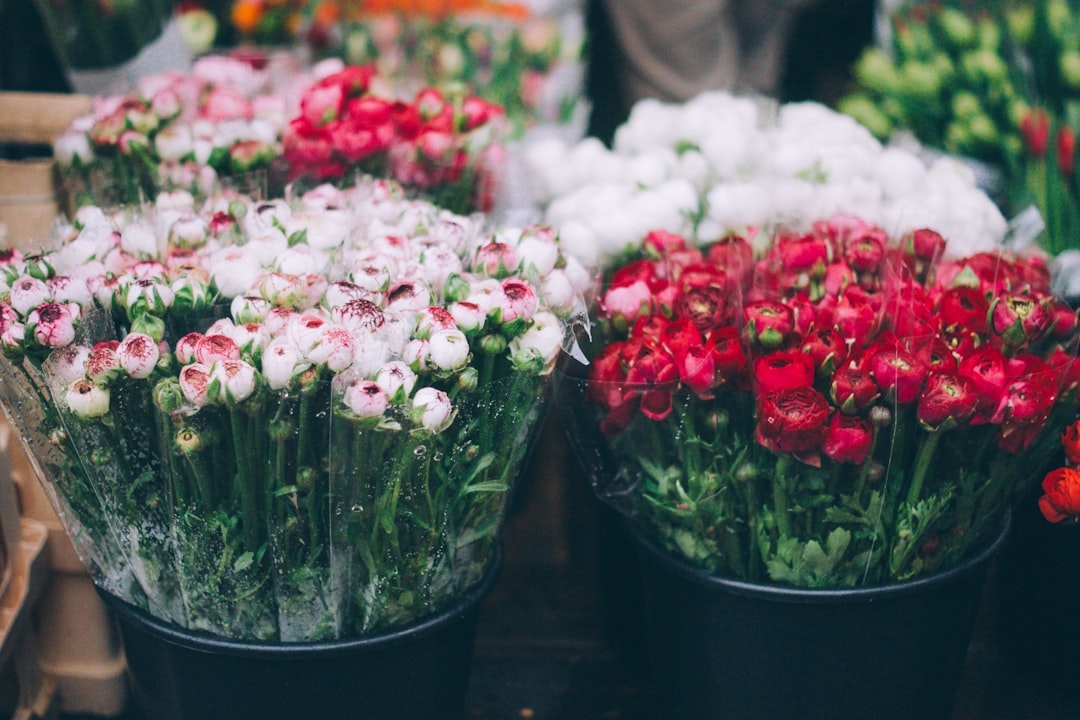
Contents:
- Why Flower Prices Vary So Wildly (And How to Use That to Your Advantage)
- The Best Places to Buy Cheap Flowers Near Me
- Grocery Stores: The Underrated Everyday Option
- Costco and Sam’s Club: Bulk Blooms at Jaw-Dropping Prices
- Farmers Markets: Fresh, Local, and Often Surprisingly Cheap
- Wholesale Flower Markets and Floral Distributors
- U-Pick Farms and Local Flower Farms
- Cost Breakdown: What to Expect to Pay
- Practical Tips for Getting the Most From Budget Blooms
- Buy the Right Flowers for Longevity
- Condition Your Flowers Immediately
- Shop Mid-Week for Best Selection
- Think Seasonally and Locally
- Frequently Asked Questions
- Where is the cheapest place to buy flowers?
- How do I find cheap flowers near me?
- Are cheap grocery store flowers good quality?
- What flowers are cheapest to buy in bulk?
- When should I avoid buying flowers to get the best price?
- Your Next Step: Build a Flower Budget That Works
You don’t need a big budget to fill your home — or someone else’s — with stunning blooms. Most people drastically overpay for flowers out of habit, not necessity. The difference between a $9 grocery store bouquet and a $65 florist arrangement is often just markup, packaging, and the assumption that you don’t know better. You do now.
Whether you’re sourcing stems for a DIY wedding centerpiece, a last-minute gift, or just because your kitchen table deserves something beautiful, finding cheap flowers near me is genuinely easy once you know where to look. This guide breaks it all down — by source, by price, and by what actually holds up after you get it home.
Why Flower Prices Vary So Wildly (And How to Use That to Your Advantage)
A single sunflower at a florist can cost $4. The same flower at a farmers market: $0.50. That’s an 8x markup — and it’s completely legal, completely common, and completely avoidable.
Traditional florists carry heavy overhead: storefronts, refrigeration, skilled labor, and floral foam and wrapping materials. They also build in a significant profit margin on the flowers themselves, which are typically purchased from wholesalers at 20–30% of the retail price you pay. The blooms aren’t better. The experience just comes with a higher price tag.
Grocery chains, warehouse clubs, and direct-from-farm sources skip several of those layers. They buy in enormous volume, refrigerate efficiently, and pass a portion of those savings to you. The catch? Less curation, less customization, and you’re doing the arranging yourself. For any DIY-minded person, that’s not a catch — that’s the whole point.
The Best Places to Buy Cheap Flowers Near Me
1. Grocery Stores: The Underrated Everyday Option
Trader Joe’s is the undisputed king of affordable grocery store flowers. Their bouquets regularly run $4.99–$12.99 and are genuinely beautiful — ranunculus, tulips, peonies in season, and mixed bunches that look like they came from a boutique shop. Aldi runs a flower “special buy” section that appears weekly, with prices often hitting $3.99 for a 10-stem bunch.
Kroger, Publix, and Safeway all carry decent floral sections with roses typically priced at $9.99–$14.99 per dozen. These aren’t showstoppers, but for filling vases or adding to a DIY arrangement, they’re solid value. Pro tip: ask the floral department if they have any “markdown” bouquets — flowers that are a day or two old but still perfectly fresh. These often sell for 50% off.
2. Costco and Sam’s Club: Bulk Blooms at Jaw-Dropping Prices
If you need volume — think bridal showers, parties, large centerpieces — warehouse clubs are unbeatable. Costco regularly sells 50-stem rose bunches for $19.99–$29.99. That’s roughly $0.50 per stem for a flower that retails for $3–$5 each at a florist. Sam’s Club carries similar bulk options, often including mixed seasonal bunches and tropical stems.
The caveat: you’re buying in bulk, so you need a plan for the volume. For DIY projects, this is ideal. For a single vase on the counter, it might be overkill unless you’re comfortable splitting a bunch with a friend.
3. Farmers Markets: Fresh, Local, and Often Surprisingly Cheap
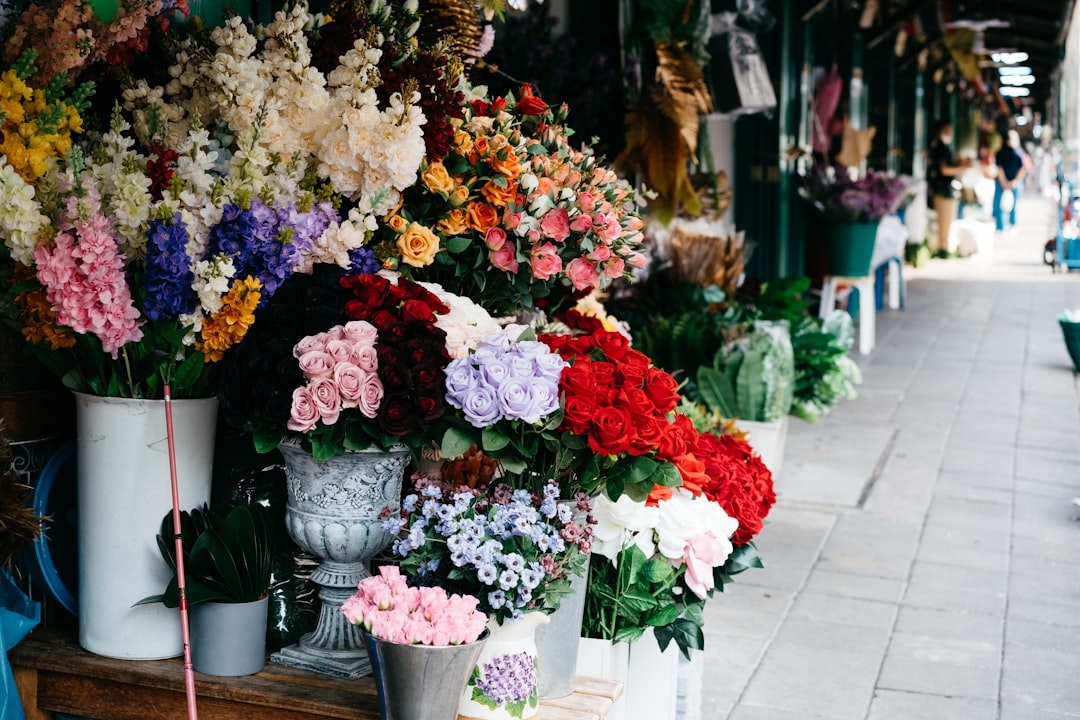
Farmers market flower vendors are growing their own stems, which cuts out every middleman in the supply chain. A mixed seasonal bouquet often runs $8–$15 and contains flowers you genuinely won’t find at a grocery store — lisianthus, celosias, bishop’s flower, zinnias, dahlias in late summer.
Beyond price, there’s a meaningful sustainability advantage here. Local cut flowers have a dramatically smaller carbon footprint than imported stems, which account for roughly 80% of US flower sales and travel thousands of miles — often from Colombia or Ecuador — before reaching a vase. Buying local supports small farms and skips the cold chain entirely.
Show up in the last 30–45 minutes of the market. Vendors would rather discount than pack unsold flowers home, and you can often negotiate $5 off a $12 bunch without any awkwardness.
4. Wholesale Flower Markets and Floral Distributors
Most major US cities have a wholesale flower district or market — Los Angeles, New York, Chicago, Miami, and Dallas all have notable ones. The LA Flower District, for example, is open to the public on weekends and sells professional-grade blooms at near-wholesale pricing. A flat of 25 stems can cost what you’d pay for 5 at a retail florist.
Some online wholesale platforms — like FiftyFlowers or The Bouqs (farm-direct tier) — ship directly from farms and cut the retail layer entirely. Prices run $1–$2.50 per stem with free shipping on larger orders, which makes them worth considering for any project requiring 50+ stems.
5. U-Pick Farms and Local Flower Farms
This is the most hands-on — and often the most affordable — option for DIY flower lovers. U-pick flower farms let you harvest your own stems, typically charging by the stem ($0.25–$1.00 each) or by the bucket ($15–$25 for a full bucket). You get the freshest possible flowers, the satisfaction of harvesting yourself, and a genuinely unique selection tied to whatever is blooming that week.
Use the USDA Specialty Crops map or LocalHarvest.org to find flower farms within driving distance. Most operate from late spring through early fall, peaking in July and August for sunflowers, zinnias, and dahlias.
Cost Breakdown: What to Expect to Pay
- Grocery store bouquet (10–15 stems): $5–$15
- Farmers market mixed bunch (12–20 stems): $8–$15
- Costco bulk roses (50 stems): $20–$30
- U-pick farm bucket (30–50 stems): $15–$25
- Wholesale market flat (25 stems): $10–$20
- Traditional florist bouquet (12 stems): $40–$80
The math is stark. A DIY centerpiece sourced from Costco or a wholesale market can cost $8–$12 per arrangement. The same centerpiece ordered through a florist typically runs $45–$75. For a table of 10 at an event, that’s a difference of $330–$630.
Practical Tips for Getting the Most From Budget Blooms
Buy the Right Flowers for Longevity
Not all cheap flowers are created equal in terms of vase life. Carnations last 10–14 days and cost almost nothing — yet get unfairly dismissed as boring. Alstroemeria (Peruvian lily) lasts 2 weeks and is almost always under $8 a bunch at grocery stores. Chrysanthemums are workhorses. Avoid pre-cut tulips if you want more than 3 days; buy them in bud stage instead.
Condition Your Flowers Immediately
Re-cut stems at a 45-degree angle the moment you get home, place them in cool water with a packet of flower food (or a teaspoon of sugar + a drop of bleach), and keep them away from direct sunlight and fruit bowls. Ethylene gas from ripening fruit wilts flowers faster than anything else.
Shop Mid-Week for Best Selection
Most grocery stores and supermarkets receive fresh floral deliveries on Tuesdays and Wednesdays. Shopping Thursday morning gives you fresh stock that’s been properly hydrated — better than the weekend rush when inventory gets picked over.
Think Seasonally and Locally
Flowers in season cost less and last longer because they haven’t been forced in greenhouses or shipped across hemispheres. Tulips in March, peonies in May, sunflowers in August, dahlias in September — align your purchases with the calendar and you’ll naturally spend less while getting superior quality.
Frequently Asked Questions
Where is the cheapest place to buy flowers?
Costco and Aldi consistently offer the lowest per-stem prices for retail shoppers, often $0.40–$0.60 per stem. For the absolute lowest prices, wholesale flower markets and u-pick farms beat all retail options.
How do I find cheap flowers near me?
Search Google Maps for “flower farm,” “farmers market,” or “wholesale florist” in your area. Apps like LocalHarvest.org list u-pick flower farms by zip code. Grocery store floral departments are the most accessible starting point in any US city or suburb.
Are cheap grocery store flowers good quality?
Yes — especially from Trader Joe’s and Costco. Commercial grocery chains buy from the same South American farms as many florists. The difference is presentation and arrangement, not flower quality. Condition them properly and they’ll last just as long.
What flowers are cheapest to buy in bulk?
Carnations, chrysanthemums, alstroemeria, baby’s breath, and seasonal sunflowers are consistently the most affordable. Roses in bulk from Costco or warehouse clubs offer excellent value during non-peak periods (avoid Valentine’s Day and Mother’s Day for the best prices).
When should I avoid buying flowers to get the best price?
Valentine’s Day and Mother’s Day drive prices up 25–50% across all retail channels. If your occasion is flexible, shopping the week before or after these holidays saves significantly. Weekends at farmers markets also tend to be pricier than early weekday visits.
Your Next Step: Build a Flower Budget That Works
Start with one experiment: your next flower purchase, skip the florist and hit Trader Joe’s or your nearest farmers market instead. Pick up a $10 mixed bunch, bring it home, condition it properly, and arrange it yourself. Spend 20 minutes with a clean vase, some scissors, and whatever greenery you have outside. The result will surprise you.
Once you get comfortable sourcing and arranging your own blooms, the savings compound fast. A home that always has fresh flowers doesn’t require a florist budget — it requires knowing where to look and showing up at the right time. That knowledge, now that you have it, changes everything about how you shop for flowers from here on out.