What to Do With Flowers After a Funeral: Meaningful Ideas for Every Space
7 min read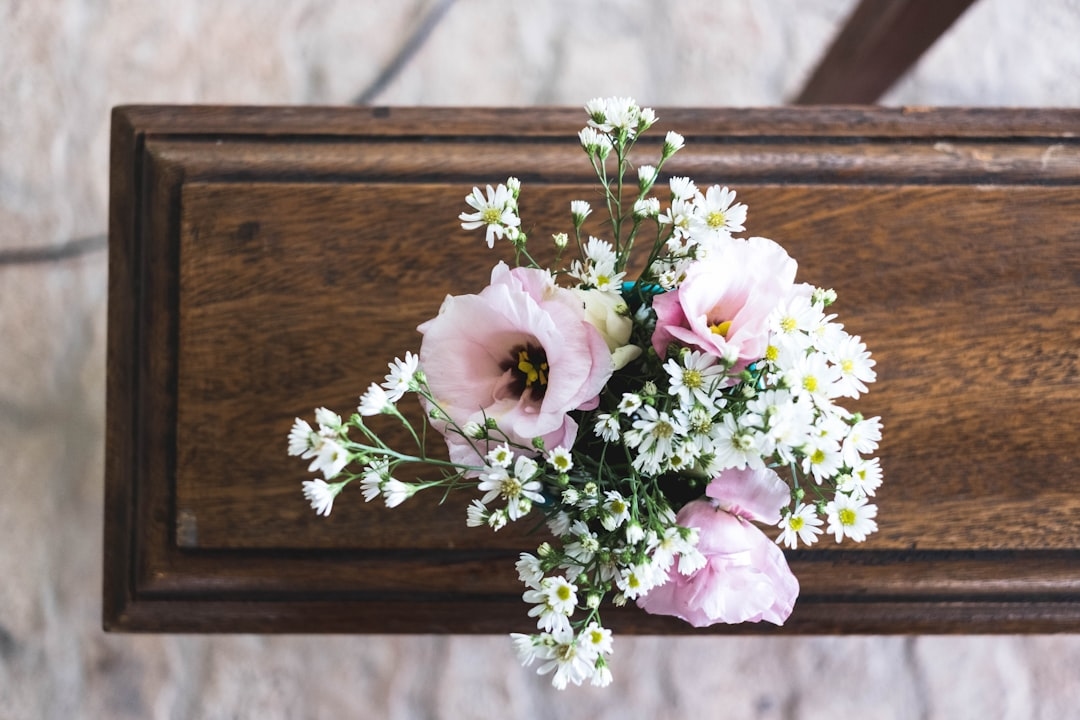
Contents:
- Why Funeral Flowers Deserve a Second Life
- Distributing Flowers After a Funeral to Guests and Family
- Donating Funeral Flowers to Those Who Need Them
- Hospitals, Hospices, and Nursing Homes
- Churches, Community Centers, and Shelters
- Preserving Funeral Flowers as Keepsakes
- Pressing Flowers: Ideal for Small Spaces
- Drying Whole Bouquets
- Resin Keepsakes and Custom Jewelry
- Practical Ways to Use Funeral Flowers at Home
- Potpourri and Sachets
- Pressed Flower Candles
- Composting: A Respectful Return
- Common Mistakes to Avoid
- Flowers After Funeral: What to Do — FAQ
- How long do funeral flowers last after the service?
- Can you take funeral flowers home from the funeral home?
- What is the most meaningful thing to do with funeral flowers?
- Are there organizations that pick up funeral flowers for donation?
- Can funeral flowers be composted?
- Make a Plan Before the Service Ends
Figuring out flowers after a funeral what to do is something most people never plan for—yet the average American funeral receives between 10 and 30 floral arrangements, leaving families with dozens of blooms and no clear next step. Most of those flowers will wilt within five to seven days. But with a little intention, they can become something lasting, useful, or quietly beautiful.
Why Funeral Flowers Deserve a Second Life
Cut flowers represent one of the most perishable gifts humans exchange. A fresh rose begins losing moisture within hours of being cut, and most funeral arrangements are already two to four days old by the time services end. That makes the window for repurposing them short—but not impossible.
There’s also an emotional dimension. For many families, those arrangements represent the love of friends, coworkers, and distant relatives who wanted to show up but couldn’t always find words. Letting them brown in a garbage bag can feel like a second loss. Acting on them—even in a small way—can be part of processing grief.
Distributing Flowers After a Funeral to Guests and Family
The simplest option is also the most immediate: offer arrangements to attendees before they leave the service or reception. Many funeral homes will help you organize this. Designate someone—a trusted friend or family member—to quietly ask guests if they’d like to take a bouquet home. This works especially well for large sprays that can be divided into smaller hand-tied bundles using rubber bands or twine.
If you’re coordinating this yourself, have a few paper sleeves or kraft bags on hand. Florists often donate these when asked. Aim to redistribute at least 60–70% of arrangements the same day; flowers that travel home in a car stay fresher than those left overnight in a warm reception hall.
Donating Funeral Flowers to Those Who Need Them
Hospitals, Hospices, and Nursing Homes
Many hospitals and nursing homes accept fresh floral donations, though policies vary. Call ahead—most facilities require flowers to be in good condition, free of strong fragrance (which can affect patients with respiratory issues), and delivered in water. Organizations like Random Acts of Flowers, which operates in over a dozen US cities, specialize in collecting and redistributing event flowers to healthcare facilities. They handle transport and arrangement, making this one of the lowest-effort options available.
Churches, Community Centers, and Shelters
Local places of worship often welcome floral donations for weekend services. Women’s shelters and transitional housing programs are another meaningful destination—a 2019 survey by the Society of American Florists found that receiving flowers significantly improved reported mood in institutional settings. A single phone call on the day of the funeral is usually all it takes to arrange a drop-off.
Preserving Funeral Flowers as Keepsakes
Pressing Flowers: Ideal for Small Spaces
Pressing is the most apartment-friendly preservation method. Choose blooms that are still fresh and relatively flat—pansies, larkspur, and single-petal roses press best. Place them between two sheets of parchment paper inside a heavy book (a hardcover dictionary works well), then stack additional books on top. Leave undisturbed for two to four weeks. The result is a preserved bloom that can be framed, placed in a memory box, or used to make greeting cards for thank-you notes after the funeral.
A 12-inch square frame costs as little as $8 at craft stores and can hold three to five pressed flowers with a small label noting the date and person remembered.
Drying Whole Bouquets
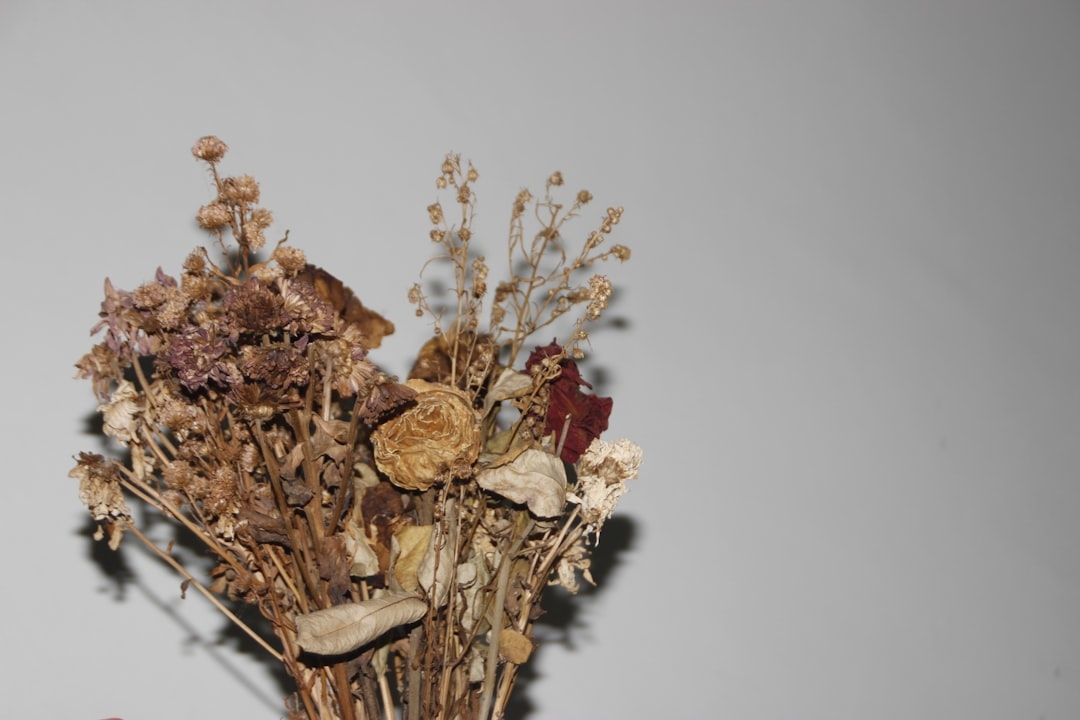
Air-drying works best with flowers that have low moisture content: lavender, statice, baby’s breath, and strawflowers. Tie stems in small bundles of five to eight stems, hang upside-down in a dry spot with good airflow, and allow two to three weeks to dry completely. Even a small apartment closet with the door left ajar works. Avoid bathrooms or kitchens—humidity causes mold.
Once dry, a small arrangement in a bud vase takes up less than six inches of shelf space and can last one to two years without fading significantly.
Resin Keepsakes and Custom Jewelry
Preserved flower resin has become a popular memorial craft. Etsy sellers and local resin artists can embed a single bloom or petal into a pendant, paperweight, or ornament starting around $25–$60. You supply the dried flower; they handle the rest. This is an especially meaningful option for a rose or bloom that held personal significance.
Practical Ways to Use Funeral Flowers at Home
Potpourri and Sachets
Pull petals from roses, carnations, or any fragrant blooms and spread them on a baking sheet. Dry at 200°F for two hours, then mix with a fixative like orris root powder (available at craft stores for about $6) and a few drops of essential oil. Pack into small fabric sachets for drawers or closets. One medium arrangement yields enough petals for four to six sachets.
Pressed Flower Candles
Affix pressed petals to the outside of a plain pillar candle using a heat tool or decoupage medium. The effect is subtle and elegant—and it keeps a tangible piece of the memorial in everyday life without requiring extra storage space.
Composting: A Respectful Return
If preservation isn’t practical or desired, composting is a genuinely respectful option. Flowers are rich in nitrogen and break down quickly. Remove any floral foam (it’s plastic and should go in the trash), cut stems into smaller pieces, and add to a compost bin or municipal green waste collection. In most US cities, floral arrangements can go in yard waste bins. The nutrients return to the soil—a quiet kind of continuation.
Common Mistakes to Avoid
- Waiting too long to decide. Most cut flowers have a usable window of three to five days post-funeral. Delaying decisions means fewer options.
- Trying to preserve everything. Attempting to save every arrangement leads to overwhelm. Choose two or three meaningful stems and let the rest go.
- Using floral foam in compost. Wet floral foam (oasis foam) looks organic but is made of non-biodegradable plastic. Always remove it before composting.
- Skipping the call to donation recipients. Hospitals and shelters have real intake rules. Showing up unannounced with 15 arrangements can create logistical problems for staff.
- Storing fresh flowers in a sealed bag. If you’re not ready to decide immediately, keep stems in water in a cool room—never bagged and sealed, which accelerates decay.
Flowers After Funeral: What to Do — FAQ
How long do funeral flowers last after the service?
Most cut funeral flowers last three to seven days after a service, depending on the variety and how they were stored. Hardier flowers like carnations and chrysanthemums can last up to two weeks in water. Lilies and roses typically fade faster, within four to five days.
Can you take funeral flowers home from the funeral home?
Yes. Most funeral homes encourage families to take arrangements home or distribute them to guests. You can also ask the funeral director to hold specific arrangements for pickup the following day if transport is an issue.
What is the most meaningful thing to do with funeral flowers?
That depends on the family. Many people find pressing a single flower from each major arrangement—labeled with the sender’s name—to be deeply meaningful. Others prefer donating to a care facility in the deceased’s name. There’s no universally “right” answer.
Are there organizations that pick up funeral flowers for donation?
Yes. Random Acts of Flowers operates in cities including Chicago, Nashville, Tampa, Indianapolis, and others. Some local florists also participate in petal redistribution programs. Search “funeral flower donation [your city]” for local options.
Can funeral flowers be composted?
Yes, as long as floral foam, wire, and plastic accessories are removed first. Flower petals and stems are compostable and break down within a few weeks in a standard compost setup.
Make a Plan Before the Service Ends
The easiest way to handle funeral flowers thoughtfully is to decide before the service wraps up. Assign one person—a sibling, a close friend—to be the “flower coordinator” for the day. Give them a short list: who gets an arrangement to take home, whether you’re calling a donation organization, and which two or three stems you want kept for pressing or drying. Ten minutes of planning prevents the all-too-common outcome of beautiful flowers left forgotten in a funeral home hallway. These blooms came as acts of love. With a small amount of effort, they can continue that work long after the service ends.