Can You Put Pennies in Flower Water? Here’s What Actually Happens
6 min read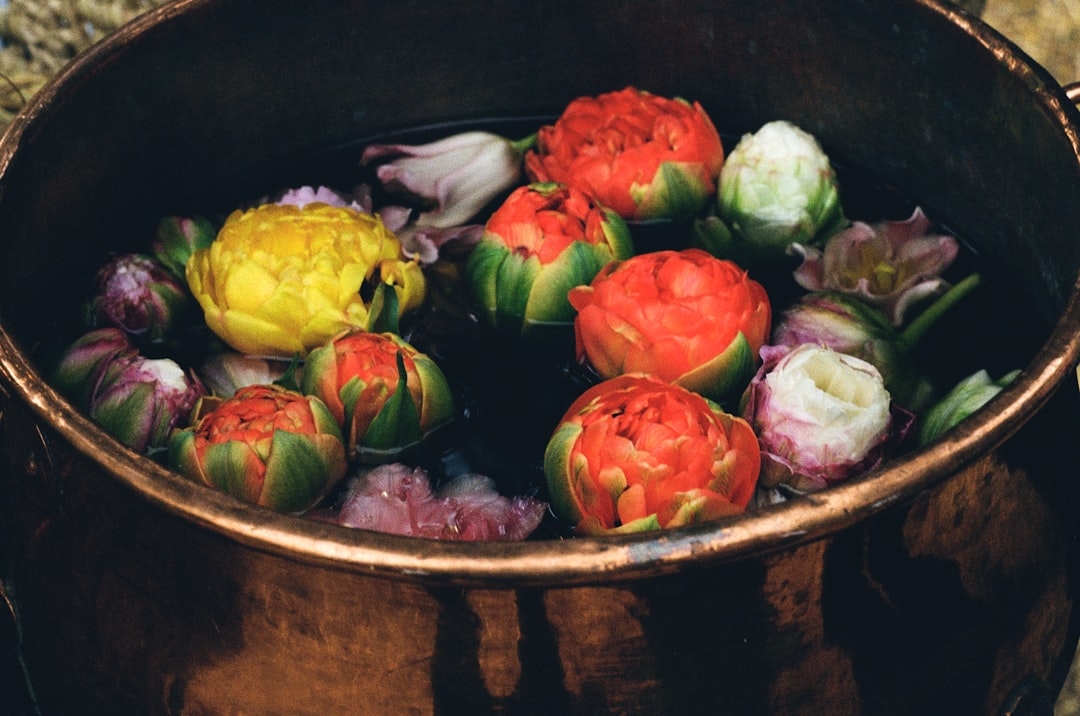
Contents:
- The Science Behind Pennies in Flower Water
- Why Modern Pennies Fall Short
- Pennies vs. Floral Preservatives: A Direct Comparison
- A Reader’s Experience Worth Sharing
- Practical Tips for Longer-Lasting Cut Flowers
- When Copper Actually Helps: Solid Copper Vessels and Tools
- FAQ: Pennies in Flower Water
- Do pennies actually keep flowers fresh longer?
- How many pennies should you put in a vase of flowers?
- What is the best homemade flower preservative?
- Why do pennies in flower water work for some people?
- Is it safe to put pennies in flower water if children or pets are nearby?
You’re arranging a fresh bouquet — maybe it’s from your garden, maybe it’s a $12 bunch of mixed stems from the grocery store — and someone in the kitchen calls out: “Throw a penny in the water, it’ll keep them fresh longer.” You’ve probably heard this tip at least once. Maybe you’ve even tried it. But does it actually work, or is it just one of those things people repeat without questioning?
The Science Behind Pennies in Flower Water
The folk wisdom around pennies and flowers isn’t entirely baseless. It traces back to copper’s well-documented antimicrobial properties. Copper ions disrupt bacterial cell membranes and interfere with enzyme function, which is why copper piping has been used in water systems for centuries and why copper surfaces in hospitals show measurably lower bacterial counts.
Cut flowers die faster when bacteria multiply in the vase water. Bacterial growth clogs the tiny vascular tubes — xylem — that transport water up the stem. Once those passages are blocked, the flower can’t hydrate properly, even when sitting in a full vase. Anything that slows bacterial growth, in theory, extends the life of your arrangement.
So the logic is sound. The execution is where things fall apart.
Why Modern Pennies Fall Short
In 1982, the US Mint switched penny composition from 95% copper to a zinc core with a 2.5% copper plating. The surface area of exposed copper on a modern penny is minimal. Studies on copper ion release in water show that a single modern penny contributes only about 0.005 to 0.01 mg/L of copper to a standard vase of water — far below the 0.1–1.0 mg/L range that researchers associate with meaningful antibacterial activity.
Pre-1982 pennies are a different story. They release copper ions more readily. If you happen to have a jar of old pennies, those are genuinely more useful for this purpose — though still not as effective as a commercial floral preservative.
Pennies vs. Floral Preservatives: A Direct Comparison
This is where hobbyist gardeners often get tripped up. A commercial cut flower food — the small packet that comes with bouquets — does three jobs simultaneously: it acidifies the water (dropping pH to around 3.5–4.0, which helps water move up stems more efficiently), provides a sugar source for the bloom, and contains a biocide like 8-HQC (8-hydroxyquinoline citrate) that actively kills bacteria. A penny does only one of those things, partially, and only if it’s old enough to be mostly copper.
Think of it this way: a floral preservative is a targeted three-pronged intervention. A penny in flower water is a blunt single tool that’s lost most of its edge since 1982.
For a DIY alternative that actually mimics the packet, mix 1 teaspoon of sugar, 1 teaspoon of white vinegar (or lemon juice), and ¼ teaspoon of household bleach per quart of water. The bleach handles bacteria far more effectively than any coin.
A Reader’s Experience Worth Sharing
A gardener from Ohio — someone who grows dahlias and zinnias on a half-acre plot — shared that she’d been dropping pennies in her vases for years after her grandmother insisted on it. She noticed her arrangements rarely lasted more than five days. After switching to the sugar-vinegar-bleach formula, the same flowers consistently reached eight to ten days. She later found out her grandmother’s pennies were all pre-1965 coins, mostly copper, fished from a coffee tin. “They probably actually worked a little,” she said. “Mine were just shiny zinc.”
It’s a small detail that makes a real difference.
Practical Tips for Longer-Lasting Cut Flowers
If your goal is maximizing vase life, here’s what the research and experienced growers actually recommend:
- Cut stems at a 45-degree angle underwater to prevent air bubbles from entering the xylem. Re-cut every two days.
- Use cool water. Most cut flowers prefer water between 50–60°F. Warm water encourages faster bacterial growth.
- Remove all foliage below the waterline. Submerged leaves decompose quickly and dramatically accelerate bacterial buildup.
- Change the water every two days and rinse the vase. Bacteria reestablish quickly in standing water.
- Keep arrangements away from fruit bowls. Ripening fruit releases ethylene gas, which speeds petal drop — even a bowl of bananas across the counter can shorten vase life by 20–30%.
- If using a penny, make it a pre-1982 coin and combine it with a small amount of lemon juice to acidify the water. That pairing is more effective than either alone.
When Copper Actually Helps: Solid Copper Vessels and Tools
If you’re genuinely interested in using copper’s antimicrobial properties, the most effective approach is a solid copper vase or copper mesh stem frog. These release copper ions continuously over time and across a much greater surface area than a single coin. Copper flower frogs — the small grid-like devices used to position stems — have seen a resurgence among ikebana practitioners and flower farmers precisely because of this dual functionality: structure plus mild water purification.
Small copper vases suitable for single stems or bud arrangements run $15–$40 at most garden supply retailers and on Etsy. For a serious hobbyist who arranges frequently, it’s a one-time investment that outperforms any amount of loose change.
FAQ: Pennies in Flower Water
Do pennies actually keep flowers fresh longer?
Pre-1982 US pennies (95% copper) can provide a small antimicrobial benefit by releasing copper ions into water. Modern pennies (post-1982) are 97.5% zinc and release very little copper, offering negligible benefit. Neither type replaces a proper floral preservative.
How many pennies should you put in a vase of flowers?
Most folk recommendations suggest one to three pennies per vase. However, even multiple modern pennies release insufficient copper to meaningfully reduce bacterial growth. If using old copper pennies, two or three per quart of water is a reasonable starting point.
What is the best homemade flower preservative?
Combine 1 teaspoon of white sugar, 1 teaspoon of white vinegar or lemon juice, and ¼ teaspoon of plain household bleach per quart of lukewarm water. This mimics the three functions of commercial floral food: sugar feeds the bloom, acid lowers pH for better stem uptake, and bleach inhibits bacteria.
Why do pennies in flower water work for some people?
Results vary based on penny age and composition. People using pre-1982 pennies see more noticeable results because those coins contain significantly more copper. Users with modern pennies are often experiencing placebo effect or simply attributing good results to other care practices.
Is it safe to put pennies in flower water if children or pets are nearby?
Yes, pennies in vase water pose no meaningful toxicity risk in normal household use. The concentration of zinc or copper released is far below any level of concern. Standard vase-safety precautions — keeping vases stable and out of reach of small children — apply as usual.
The next time you’re arranging a fresh-cut bundle of zinnias or garden roses, you have a choice: repeat the penny trick out of habit, or take thirty seconds to mix a preservative that actually addresses all three reasons flowers die early. Better water chemistry means more days of blooms on the table — and that’s a trade worth making.