What to Do With Old Flower Petals: Practical Uses Every Gardener Should Know
7 min read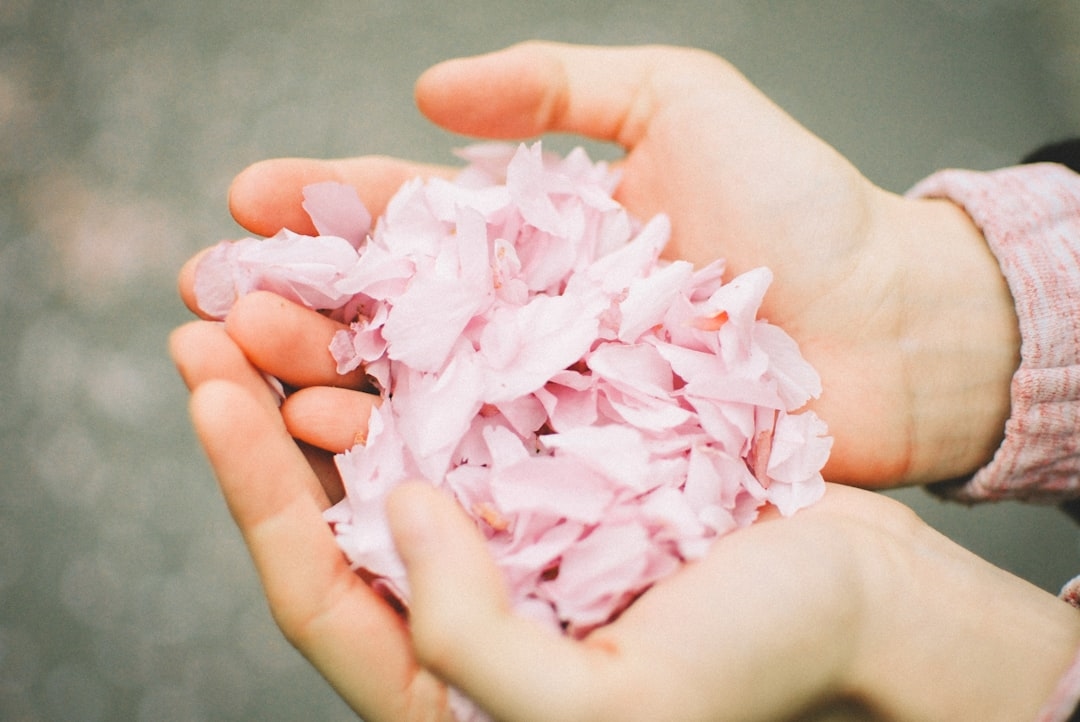
Contents:
- Why Old Petals Are Still Worth Using
- Old Flower Petals Uses: A Room-by-Room Breakdown
- Potpourri and Drawer Sachets
- Homemade Rosewater and Floral Hydrosols
- Natural Fabric and Paper Dye
- Compostable Mulch and Soil Amendment
- Culinary Uses for Edible Petals
- Petal-Infused Oils and Salves
- Practical Tips for Getting the Most Out of Your Petals
- Frequently Asked Questions
- Can you use old flower petals for potpourri?
- How do you dry flower petals for reuse?
- Are old flower petals safe to eat?
- What flowers are best for making petal-infused oil?
- Can flower petals be used as natural dye?
- What to Try First
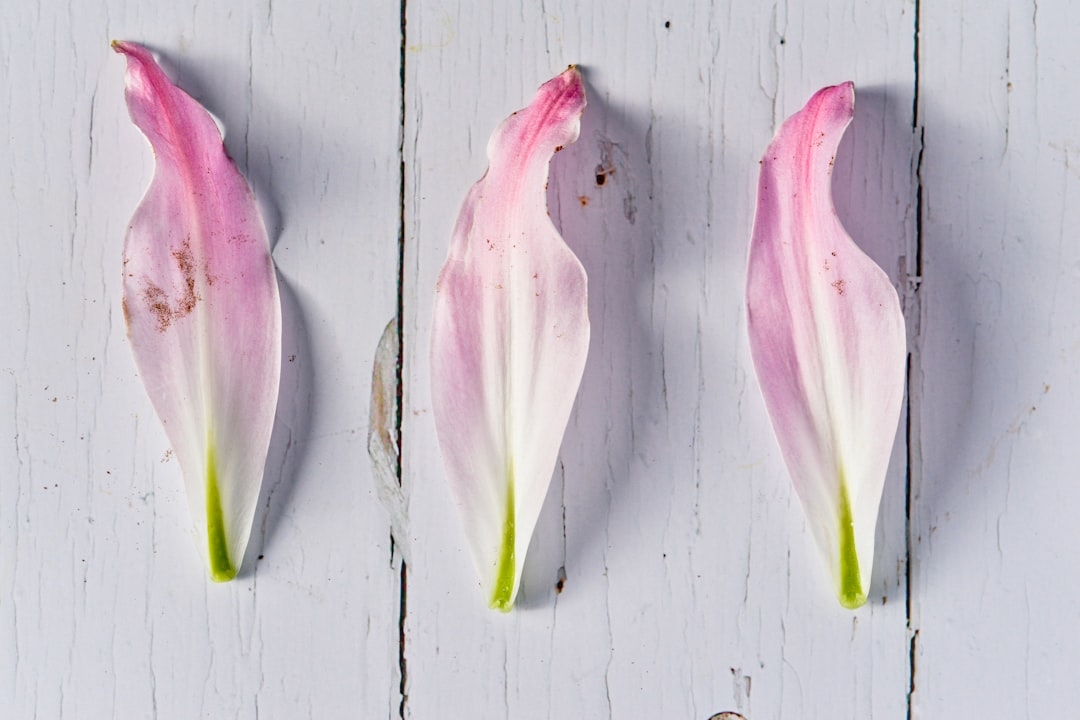
You deadhead a rose bush on a Sunday afternoon, and suddenly there’s a small pile of velvet petals at your feet — too pretty to toss, too wilted to display. Most gardeners have been there. The good news is that old flower petals uses range far beyond the compost bin, and many of them are surprisingly straightforward to pull off at home.
Petals that have passed their ornamental peak still carry essential oils, pigments, and organic matter that have real, practical value. Understanding what each type of petal offers — and what it doesn’t — is the difference between making something useful and wasting your time on a project that won’t work.
Why Old Petals Are Still Worth Using
Freshly cut petals contain the highest concentration of volatile aromatic compounds, but dried and spent petals retain much of their structural chemistry. Rose petals, for example, still hold geraniol and citronellol — two terpene alcohols responsible for that characteristic floral scent — even after they’ve browned at the edges. Lavender petals can retain up to 70% of their linalool content when air-dried properly.
The key variable is how the petals were stored or how they dried. Petals that wilted slowly in a vase will have lower essential oil concentrations than petals you deliberately dried at low heat (around 95–110°F) or air-dried in a single layer on a mesh rack. That distinction matters depending on what you plan to make.
Old Flower Petals Uses: A Room-by-Room Breakdown
1. Potpourri and Drawer Sachets
This is the most forgiving use for spent petals because it tolerates variation in petal quality. Rose, peony, lavender, and chamomile petals all work well. Spread petals on a baking sheet and dry them at 100°F for two to three hours, or hang small bundles upside down for five to seven days in a dry, dark space.
Once fully dried, combine your petals with a fixative — orris root powder is the standard choice, used at roughly 1 tablespoon per cup of dried material. The fixative binds to the volatile oils and extends the scent life from a few weeks to several months. Add a few drops of essential oil if the original fragrance has faded significantly.
2. Homemade Rosewater and Floral Hydrosols
Rosewater made from old petals works perfectly well for skincare, baking, and scenting linen. Pack a medium saucepan loosely with petals — about 2 cups — and cover with just enough distilled water to submerge them (roughly 3 cups). Simmer on the lowest setting, lid on, for 20 to 30 minutes. The petals will lose their color as the pigments transfer to the water. Strain, cool, and store in a glass bottle in the refrigerator for up to two weeks.
This is not the same as a true steam-distilled hydrosol, which requires specialized equipment, but the simmered version is entirely adequate for culinary use and as a gentle facial toner for normal to dry skin.
3. Natural Fabric and Paper Dye
Marigold, coreopsis, and black-eyed Susan petals produce strong yellow and gold tones on natural fibers. Onion skin is the more commonly known natural dye source, but marigold petals outperform it for brightness on protein fibers like wool and silk. Mordanting the fabric first with alum (potassium aluminum sulfate) at 15% weight of fiber ensures the color bonds and won’t wash out in the first laundry cycle.
To make a dye bath, simmer 4 cups of fresh or dried petals in 1 gallon of water for 45 minutes, then strain. Submerge pre-mordanted, wetted fabric and hold at a gentle simmer for another hour. The resulting color on wool ranges from pale butter yellow to deep gold depending on petal quantity and fabric weight.
4. Compostable Mulch and Soil Amendment
Petals decompose quickly — faster than most kitchen scraps — because of their high moisture content and thin cell walls. Layering fresh petals directly around the base of plants adds a thin nitrogen-rich green layer to your mulch. They break down within two to three weeks in warm weather.
For the compost bin, petals count as green material. Balance them with carbon-rich browns at roughly a 3:1 brown-to-green ratio by volume. Avoid petals from flowers treated with systemic pesticides, particularly if your compost feeds a vegetable garden. Most commercially sold cut flowers — especially imported roses — are treated with multiple chemical applications and should go in municipal compost rather than backyard bins.
5. Culinary Uses for Edible Petals
Not all petals are edible, and this is where specificity matters most. Rose, violet, nasturtium, calendula, and borage petals are all safe for consumption from organically grown plants. Petals from florist-purchased flowers are almost never safe to eat due to pesticide residue.
Old but still-firm petals can be candied using egg white and superfine sugar, then dried for 24 hours for use as cake decorations. Slightly wilted petals work well steeped into simple syrups — 1 cup water, 1 cup sugar, 1 cup loosely packed petals, simmered for 10 minutes then strained — for cocktails, lemonade, or desserts. The flavor is subtle but distinct, particularly with roses and violets.
“Most people don’t realize that a wilted petal still has functional chemistry. The aromatic compounds are still there — they just need a little help to express themselves again. Heat, fat, or alcohol all act as extractors.”
— Dr. Marguerite Holloway, certified horticulturist and botanical perfumer, Chicago Botanic Garden extension faculty
6. Petal-Infused Oils and Salves
Calendula petals — fresh or dried — infuse beautifully into carrier oils like jojoba or sweet almond oil for topical use. The cold infusion method involves packing a clean jar with dried petals, covering completely with oil, sealing, and leaving in a sunny window for four to six weeks. The resulting oil contains flavonoids and triterpenoids associated with skin-soothing properties.
Compare this with lavender essential oil, which is steam-distilled and extremely concentrated — one drop equals roughly the chemistry of an entire plant. Infused petal oil is far milder and more appropriate for direct skin application without dilution. Essential oils should always be diluted to 1–3% before topical use; infused oils do not carry the same concentration risk.
Practical Tips for Getting the Most Out of Your Petals
- Dry immediately: Petals that sit in a pile will mold within 24 hours in humid conditions. Spread them in a single layer as soon as you harvest.
- Match petal type to project: Fragrant petals (rose, lavender, peony) suit aromatic projects. Brightly pigmented petals (marigold, coreopsis) work for dye. Sturdy petals (rose, hibiscus) work for culinary use.
- Store dried petals in airtight glass: Zip-lock bags allow moisture exchange. A lidded mason jar in a dark cabinet keeps dried petals usable for up to 12 months.
- Label your jars: Dried petals from different species can look nearly identical. A piece of masking tape and a permanent marker prevents frustrating mix-ups six months later.
- Harvest before full drop: Petals still attached to the flower but beginning to loosen have better chemistry than petals already scattered on the soil.
Frequently Asked Questions
Can you use old flower petals for potpourri?
Yes. Dried or wilted petals work well for potpourri when combined with a fixative like orris root powder (1 tablespoon per cup of dried material). Fragrant varieties such as rose, lavender, and peony give the best results.
How do you dry flower petals for reuse?
Spread petals in a single layer on a mesh rack or baking sheet. Air-dry in a warm, dark, well-ventilated space for five to seven days, or oven-dry at 95–110°F for two to three hours. Avoid direct sunlight, which fades color and degrades aromatic compounds.
Are old flower petals safe to eat?
Only petals from organically grown, edible species — such as rose, violet, calendula, nasturtium, and borage — are safe to eat. Never consume petals from florist-purchased flowers, which are routinely treated with pesticides not approved for food contact.
What flowers are best for making petal-infused oil?
Calendula is the most widely recommended for skin-use infused oils due to its flavonoid content. Rose and chamomile are also popular choices. Always use fully dried petals to prevent mold growth in the oil during the infusion period.
Can flower petals be used as natural dye?
Yes. Marigold and coreopsis petals produce reliable yellow and gold tones on natural fibers like wool and silk. A mordant — typically alum at 15% weight of fiber — is required for colorfastness. Synthetic fabrics do not take natural dyes effectively.
What to Try First
If you’re new to repurposing spent blooms, start with a simple dried potpourri or a petal-infused simple syrup — both require minimal equipment and give you a clear, immediate result to evaluate. From there, a calendula oil infusion or a small natural dye experiment will build your confidence with more involved processes. The goal isn’t to use every petal perfectly. It’s to develop a habit of seeing spent flowers as raw material rather than waste — and that shift pays dividends across every corner of a serious garden practice.