How to Keep Peonies from Wilting (And Make Them Last Up to 2 Weeks)
8 min read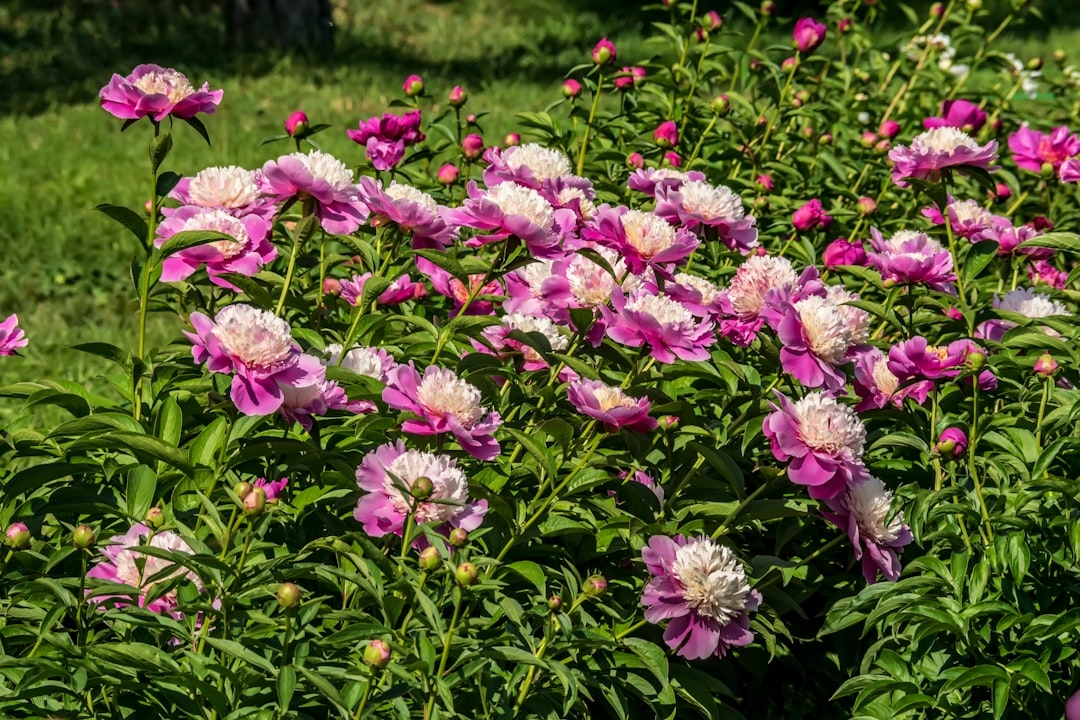
Contents:
- Why Peonies Wilt: The Real Culprits
- Air Bubbles in the Stem
- Wrong Harvest Stage
- Warm Water and Warm Rooms
- How to Cut Peonies to Prevent Wilting
- The Recut-Under-Water Trick
- The Best Vase Water Setup for Peonies Wilting Prevention
- A Simple Eco-Friendly Preservative
- Storage: How to Keep Peonies Fresh for Weeks
- Common Mistakes to Avoid
- Placement and Environment Matter More Than You Think
- FAQ: Peonies Wilting Prevention
- Why are my peonies drooping even in water?
- How long should peonies last in a vase?
- Can you revive wilted peonies?
- Should I put peonies in hot or cold water?
- Why do store-bought peonies wilt so fast?
- Make the Most of Every Bloom This Season
Here’s a myth that costs gardeners and flower lovers a lot of heartbreak every spring: peonies are delicate, fussy flowers that are just destined to flop. People see those giant, lush blooms sagging over the edge of a vase and assume it’s inevitable — just the peony’s nature. It’s not. Most wilting is entirely preventable, and once you understand the real mechanics behind peonies wilting prevention, you’ll never lose a bloom to a limp stem again.
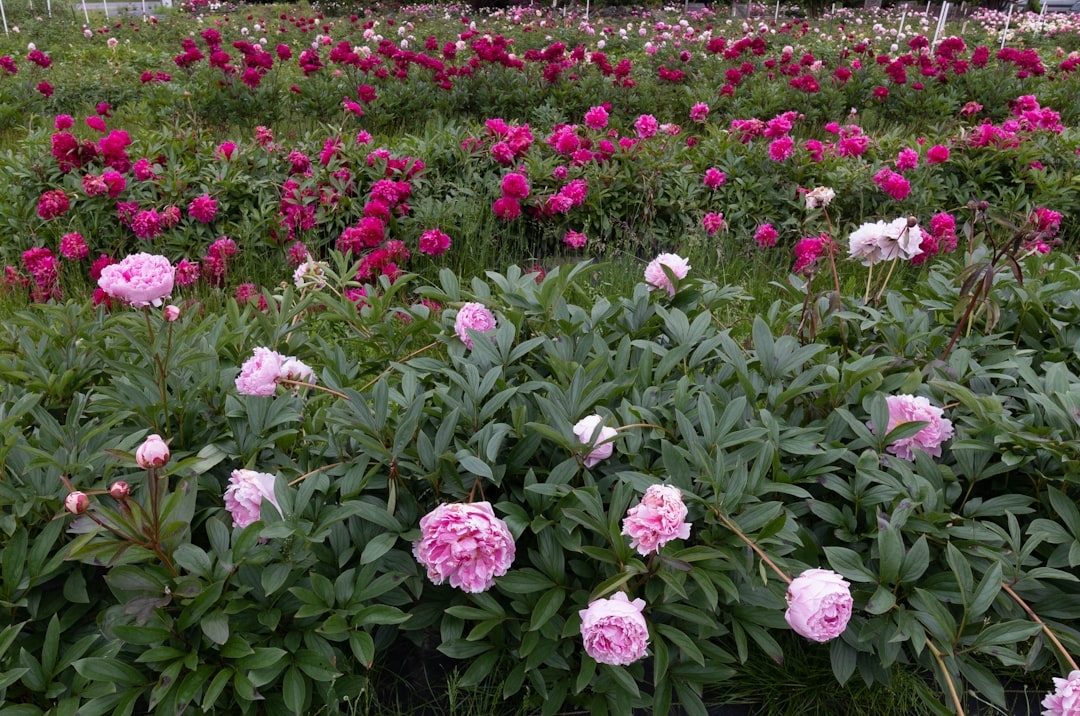
Peonies are actually tough, long-lived plants. A single peony bush can thrive for 100 years in the right spot. The problem isn’t the flower — it’s almost always how we handle it after cutting. Water uptake, stem prep, timing, and even the temperature of the room all play enormous roles in whether your arrangement stays upright and lush or collapses by Tuesday.
This guide covers everything: from harvesting at exactly the right bud stage to eco-friendly conditioning methods that don’t rely on harsh chemicals. Whether you’re cutting from your own garden, picking up a bunch from a farmer’s market, or paying $18–$35 for a grocery store bouquet, these techniques will protect your investment and your aesthetic.
Why Peonies Wilt: The Real Culprits
Before fixing the problem, it helps to understand it. Peonies wilt for a handful of specific, identifiable reasons — and “they’re just fragile” isn’t one of them.
Air Bubbles in the Stem
When you cut a peony stem and don’t immediately place it in water, air rushes into the vascular tissue and forms a blockage. That tiny air bubble can prevent water from traveling up the stem at all, leaving the bloom dehydrated even while sitting in a full vase. This is the number one cause of wilting in freshly cut peonies.
Wrong Harvest Stage
Cutting peonies when the buds are fully open is a common mistake. A fully open bloom has already hit its peak and has significantly less vase life ahead of it. Cutting at the “marshmallow stage” — when the bud is soft to the touch but still closed, roughly the size of a golf ball — gives you maximum longevity, often 7 to 14 days with proper care.
Warm Water and Warm Rooms
Heat accelerates every biological process in a cut flower, including decay. A room above 72°F will noticeably shorten vase life. Warm vase water also promotes bacterial growth that clogs stems.
How to Cut Peonies to Prevent Wilting
Harvesting correctly sets up everything that follows. These steps take about 90 seconds and make a measurable difference.
- Cut in the early morning — stems are the most hydrated before the heat of the day pulls moisture through the leaves.
- Use sharp, clean pruners or scissors — a dull blade crushes vascular tissue rather than cutting cleanly, restricting water flow.
- Cut at a 45-degree angle — this increases the surface area available for water absorption and prevents the stem end from sitting flat against the bottom of the vase, which would seal it off.
- Cut stems to at least 12–15 inches — longer stems have more vascular tissue to pull water through.
- Move immediately to water — have a bucket of cool water waiting and plunge stems in within 30 seconds of cutting.
The Recut-Under-Water Trick
If you’ve already brought stems inside or received a store-bought bunch, recut each stem by about an inch while holding it under a few inches of water in the sink. This eliminates any air blockage that formed during transport and gives the bloom a fresh, unobstructed channel to drink from. It takes two minutes and it works.
The Best Vase Water Setup for Peonies Wilting Prevention
The water in your vase is doing active work — it’s not just background scenery.
- Use cool or room-temperature water, never warm. Aim for around 65°F.
- Add a floral preservative packet — these contain a biocide, a pH reducer, and a simple sugar. Studies by the Society of American Florists show preservatives can extend vase life by 30–60% compared to plain water.
- Strip all leaves below the waterline — submerged foliage rots quickly and releases bacteria that clog stems within 24 hours.
- Change the water every 2 days and recut stems by half an inch each time you do.
- Keep the vase at least 4 inches deep — shallow water means stems spend time exposed to air if water evaporates slightly between changes.
A Simple Eco-Friendly Preservative
Commercial flower food packets work well, but if you prefer a DIY approach with less packaging waste, try this: 1 quart of water, 1 tablespoon of white sugar, 1 tablespoon of white vinegar, and a small pinch of bleach (about ⅛ teaspoon). The sugar feeds the bloom, the vinegar lowers pH to improve absorption, and the bleach keeps bacteria in check. It’s a nearly zero-waste solution that performs comparably to store-bought options and costs almost nothing.
Storage: How to Keep Peonies Fresh for Weeks
One of the best-kept secrets in floral design is that peonies store beautifully in the refrigerator — unopen buds can be kept for up to 3 weeks when handled correctly. This is a game-changer for DIY wedding florals or large events.
- Cut at the marshmallow stage and immediately wrap stems (not blooms) in a damp paper towel.
- Place loosely in a plastic bag — don’t seal it tightly, they need a little airflow.
- Store in the main fridge section at 34–36°F, away from fruit. Ethylene gas from ripening fruit accelerates flower aging.
- When ready to use, recut stems under water and condition in a cool bucket for 4–6 hours before arranging.
A reader named Carla from Portland wrote in about this exact technique after her garden produced 40 peony stems the week before her daughter’s bridal shower. She refrigerated most of them using the damp-wrap method and pulled them out in batches over 10 days. Every single one opened beautifully. “I kept thinking they’d be ruined,” she said, “but they looked like I’d just cut them.” Timing your harvest with a storage plan is one of the most practical DIY moves you can make with spring flowers.
Common Mistakes to Avoid
Even well-intentioned care routines can include habits that silently undermine your peonies. Here are the most frequent missteps:
- Cutting fully open blooms — they look beautiful in the garden, but they’re already past their prime for vase life.
- Placing peonies near a sunny window — indirect light is fine, but direct sun heats the water and speeds wilting dramatically.
- Skipping the stem recut — especially critical with store-bought or farmer’s market bunches that sat in dry air during transport.
- Storing near apples, bananas, or pears — these are high ethylene producers and will cause buds to open and decay ahead of schedule.
- Using a too-small vase — peonies are top-heavy. A vase that’s too narrow or short won’t support the stems properly, and they’ll lean and stress at the base.
- Forgetting to remove ants — outdoor peonies often have ants on them (they’re attracted to the bud’s nectar). Bring stems inside with ants still on them and you’ll have an unhappy situation fast. A gentle shake or a brief dip in cool water before bringing indoors handles this easily.
Placement and Environment Matter More Than You Think
Where you put your vase is a genuine variable in how long peonies last. The ideal spot is cool (under 70°F), away from heating or AC vents, and out of direct sunlight. Drafts from vents dry out petals; heat from nearby appliances or windows degrades water quality faster.
On the eco-friendly side, consider placing arrangements in naturally cool parts of your home — a north-facing room, a tiled entryway — rather than cranking the AC. Less energy use, better flower life. Both outcomes win.
At night, moving the vase to a cooler room (even 5–10°F cooler) can meaningfully extend vase life. Professional florists use this technique routinely — their coolers run between 34°F and 40°F. You don’t need a commercial cooler; a cool mudroom or garage in spring does the same job overnight.
FAQ: Peonies Wilting Prevention
Why are my peonies drooping even in water?
The most likely cause is an air bubble blocking the stem. Remove the stems from the vase, recut each one by about an inch while holding it under water, then return them to fresh cool water. Results usually show within 1–2 hours as the bloom rehydrates and lifts.
How long should peonies last in a vase?
With proper care — fresh water every 2 days, cool temperatures, stems recut regularly, and leaves stripped below the waterline — peonies typically last 7 to 10 days. Buds cut at the marshmallow stage can last up to 14 days.
Can you revive wilted peonies?
Yes, often. Submerge the entire stem (and even the bloom) in cool water for 30–60 minutes, then recut the stem at an angle while still underwater. Place in fresh water in a cool room. This works best within the first 24 hours of wilting.
Should I put peonies in hot or cold water?
Cool water — around 65°F — is best for vase arrangements. Hot water is sometimes used in a specific technique called “hot conditioning” to force open tight buds quickly (using 110°F water for 30 seconds, then immediately transferring to cool), but for general vase use, cool is always the right call.
Why do store-bought peonies wilt so fast?
They typically sit in dry conditions during transport and retail display, which introduces air into the stems. Always recut store-bought peonies under water as soon as you get home, and condition them in a bucket of cool water for at least 2 hours before arranging. This single step dramatically extends their life.
Make the Most of Every Bloom This Season
Peonies have a short, spectacular season — roughly 6 to 8 weeks in most US growing zones (Zones 3–8 are prime peony territory). That brevity is part of what makes them feel so precious. But precious doesn’t have to mean short-lived on your table. With smart harvesting, proper water prep, and a little attention to temperature and placement, peonies wilting prevention becomes second nature — something you do automatically, the way a good gardener checks soil moisture or a good cook tastes as they go.
This spring, try refrigerating a few stems at the marshmallow stage and see how long they actually hold. Experiment with the DIY preservative. Notice whether your peonies last longer in the kitchen versus the living room. The more you engage with the process, the more confident your instincts become — and the longer every beautiful bloom stays exactly where it belongs: fully open, upright, and impossible to look away from.