Can You Put Sugar in Flower Water? What Actually Happens
7 min read
Contents:
- Why Cut Flowers Need More Than Just Water
- What the Sugar Actually Does
- How to Make a Sugar Flower Water Solution at Home
- Basic Homemade Flower Food Recipe
- Cost Breakdown
- Which Flowers Respond Best to Sugar Water
- Common Mistakes to Avoid
- Homemade vs. Commercial Flower Food: A Fair Comparison
- Practical Tips for Getting the Most Out of Every Bouquet
- Frequently Asked Questions About Sugar Flower Water
- Does sugar in flower water actually work?
- How much sugar should you put in flower water?
- Can you use brown sugar or honey instead of white sugar?
- What can you add to vase water to make flowers last longer?
- Is homemade sugar flower water as good as commercial flower food?
- Make Your Next Bouquet Last
You’ve just come home with a fresh bouquet — maybe tulips from the farmers market or roses grabbed at the grocery store checkout. The vase is ready, the water is running, and somewhere in the back of your mind a half-remembered tip surfaces: doesn’t sugar help flowers last longer? That thought is older than it seems. Sugar flower water remedies have circulated through kitchens and garden clubs for generations, and there’s genuine plant science behind them.
But sugar alone isn’t a magic fix. Used incorrectly, it can actually shorten a flower’s life. The details matter.
Why Cut Flowers Need More Than Just Water
When a stem is cut from its plant, it loses access to the sugars produced through photosynthesis. Those carbohydrates are what fuel petal development, fragrance production, and the opening of buds. Without that supply chain, flowers exhaust their reserves quickly — often within 24 to 48 hours for sensitive varieties like poppies or sweet peas.
Tap water keeps cells hydrated, but it doesn’t replace energy. That’s why commercial flower preservatives — those small packets florists include with bouquets — contain three active components: a carbohydrate (usually sucrose), an acidifier to lower the water’s pH and improve uptake, and a biocide to slow bacterial growth. A homemade sugar flower water solution attempts to replicate that same three-part formula on a budget.
What the Sugar Actually Does
Sucrose enters stem tissue through the cut end and travels upward into petals and leaves. Studies on cut carnations have shown that a 2% sucrose solution (roughly 2 teaspoons per quart) can extend vase life by 2 to 3 additional days compared to plain water. For flowers with tight buds — like alstroemeria or lilies — sugar solutions specifically encourage buds to open that might otherwise die closed.
The catch: dissolved sugar is also a feast for bacteria. Within 24 hours at room temperature, a sugary vase becomes a bacterial soup that clogs the stem’s vascular tissue, blocking water uptake entirely. That’s why sugar must be paired with something acidic or antimicrobial.
How to Make a Sugar Flower Water Solution at Home
The recipe is straightforward and uses items already in most kitchens. Precision matters more than people realize — too much sugar causes osmotic stress and actually draws water out of stem cells.
Basic Homemade Flower Food Recipe
- 1 quart of lukewarm water (lukewarm improves absorption versus cold water)
- 1–2 teaspoons white granulated sugar (start with 1 tsp for delicate flowers like freesia; use 2 tsp for sturdy stems like chrysanthemums)
- 1 tablespoon white vinegar or lemon juice (lowers pH to around 3.5–4.5, the optimal range for cut flower uptake)
- Optional: ¼ teaspoon household bleach (just a small amount kills bacteria without harming stems)
Stir until the sugar fully dissolves before adding flowers. Change the solution every two days, re-cutting stems at a 45-degree angle each time.
Cost Breakdown
A 4-lb bag of white sugar runs about $2.50 to $3.50 at most US grocery stores. Each batch of flower food uses roughly 1–2 teaspoons, meaning a single bag yields hundreds of batches. Compare that to commercial flower preservative packets, which cost about $0.50 to $1.00 each at floral supply retailers. For someone who buys fresh flowers weekly, the homemade approach saves roughly $25 to $50 per year — modest but real.
Which Flowers Respond Best to Sugar Water
Not every flower benefits equally. Response depends largely on how a species stores and uses carbohydrates after cutting.
- High benefit: Roses, carnations, chrysanthemums, gerbera daisies, alstroemeria, lilies (especially for bud opening)
- Moderate benefit: Tulips, sunflowers, snapdragons, stock
- Low or no benefit: Orchids, anthuriums, tropical foliage — these are better served by plain, clean water with no additives
Woody-stemmed flowers like lilacs respond better to warm water and a vertical stem split than to sugar solutions. Always match your method to your bloom.
Common Mistakes to Avoid
Most failures with sugar flower water come down to a few predictable errors.
- Using too much sugar. More than 2 teaspoons per quart causes reverse osmosis — cells lose water rather than gain it. Flowers wilt faster, not slower.
- Skipping the acidifier. Sugar without vinegar or lemon juice creates bacterial overgrowth within hours. The water turns cloudy, stems blacken at the base, and vase life drops sharply.
- Using brown sugar or honey. Both contain additional compounds that promote faster bacterial growth. Stick with plain white granulated sugar or refined sucrose.
- Leaving the solution unchanged. Even with an acidifier, sugar water degrades within 48 hours at room temperature. Fresh solution every two days is non-negotiable.
- Placing flowers in a warm, sunny spot. Sugar accelerates cellular metabolism. In heat, that means faster aging. Keep sugared arrangements in a cool room, ideally below 70°F (21°C).
Homemade vs. Commercial Flower Food: A Fair Comparison
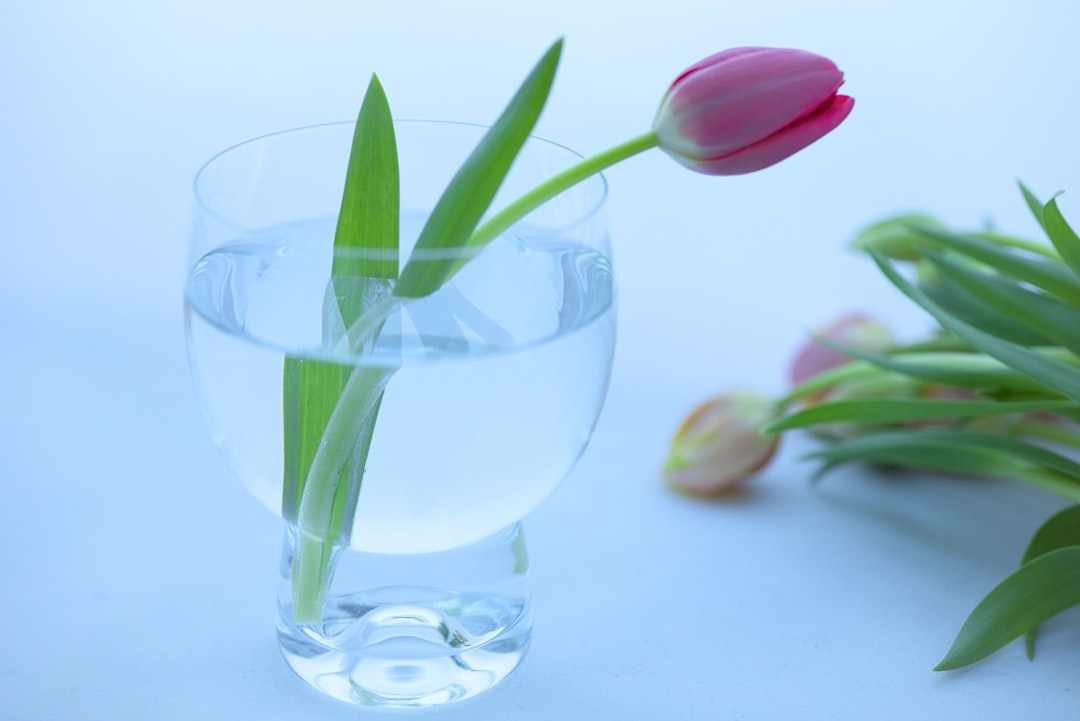
Commercial packets from brands like Chrysal or Floralife use pharmaceutical-grade sucrose, a precisely calibrated acidifier (usually citric acid), and a measured biocide — all balanced for a specific flower volume and water temperature. They’re reliably consistent.
Homemade sugar flower water is slightly less predictable but performs well for most common grocery store and farmers market flowers. In side-by-side informal tests reported by home gardening communities, homemade solutions with bleach added extended rose vase life to 10–12 days versus 7–8 days with plain water — results comparable to commercial packets.
If you’re arranging flowers for a special event and can’t afford any variation, use the commercial packet. For everyday bouquets, the homemade version is entirely sufficient.
Practical Tips for Getting the Most Out of Every Bouquet
Sugar solution is one part of a broader care system. These additional steps compound the benefit.
- Re-cut stems immediately before placing in water — even a few minutes of air exposure creates an air lock in the vascular tissue.
- Remove all submerged leaves. Any foliage below the waterline decomposes rapidly and introduces bacteria, overwhelming even a well-prepared solution.
- Use a clean vase. Residual bacteria from a previous arrangement will colonize your fresh solution within hours. Wash with hot soapy water and rinse with a diluted bleach solution before use.
- Keep flowers away from fruit bowls. Ripening fruit releases ethylene gas, which accelerates petal drop — particularly in roses and carnations.
Frequently Asked Questions About Sugar Flower Water
Does sugar in flower water actually work?
Yes. Sugar provides sucrose that cut flowers can no longer produce through photosynthesis. When used at the correct concentration (1–2 teaspoons per quart) alongside an acidifier, it can extend vase life by 2 to 3 days for many common cut flower varieties.
How much sugar should you put in flower water?
The standard recommendation is 1 to 2 teaspoons of white granulated sugar per quart (32 oz) of water. Using more than 2 teaspoons can cause osmotic stress and actually shorten the flower’s life.
Can you use brown sugar or honey instead of white sugar?
No. Brown sugar and honey contain additional organic compounds that accelerate bacterial growth in the vase water. White granulated sugar is the correct choice for a homemade flower food solution.
What can you add to vase water to make flowers last longer?
The most effective homemade combination is 1–2 teaspoons white sugar, 1 tablespoon white vinegar or lemon juice, and an optional ¼ teaspoon household bleach per quart of water. Change this solution every 48 hours for best results.
Is homemade sugar flower water as good as commercial flower food?
For everyday use, yes — results are comparable. Commercial packets offer more precision and consistency, which matters for high-stakes arrangements. For regular home use, a properly made sugar solution performs nearly as well at a fraction of the cost.
Make Your Next Bouquet Last
A well-made sugar flower water solution costs almost nothing and takes under a minute to prepare. The difference it makes — fuller blooms, extended vase life, buds that actually open — is visible within a day or two. Start with one teaspoon of sugar, add your acidifier, keep the vase cool and clean, and swap the solution every other day. That simple routine, repeated consistently, is what separates a bouquet that limps through four days from one that’s still beautiful at ten.
Next time you pick up flowers, skip the commercial packet and try the homemade version. You’ll notice the difference, and so will your grocery budget.