Can You Compost Old Flowers? Everything Gardeners Need to Know
6 min read
Contents:
- Why Flowers Are Excellent Compost Material
- How to Compost Old Flowers: Step-by-Step
- Preparing Blooms for the Pile
- Balancing Your Compost Pile
- A Seasonal Timeline for Composting Flowers
- Composting Fresh Flowers vs. Dried Flowers: Key Differences
- What to Watch Out For
- FAQ: Composting Old Flowers
- Can you compost flowers with thorns, like roses?
- Can you compost flowers that were in a vase with bleach-treated water?
- How long does it take for flowers to compost?
- Can I put flowers in a worm bin (vermicompost)?
- Are all flower parts compostable?
- Putting Your Flower Compost to Work
Ancient Egyptians placed lotus blossoms in burial tombs not just for ceremony, but because they understood something modern gardeners sometimes forget: flowers are organic matter, and organic matter belongs back in the earth. Fast-forward a few thousand years, and most of us are still tossing wilted bouquets into the kitchen trash. That’s a missed opportunity. You absolutely can compost old flowers — and doing so the right way can meaningfully improve your soil’s structure, microbial activity, and long-term fertility. This guide covers exactly how to compost old flowers, what to watch out for, and how to make the most of every petal.
Why Flowers Are Excellent Compost Material
Flowers are primarily composed of cellulose, water, and simple sugars — all of which break down quickly in a healthy compost pile. Fresh blooms are considered “green” compost material, meaning they’re nitrogen-rich and help feed the microbes that drive decomposition. Dried or dead flowers shift slightly toward “brown” material as moisture evaporates, but they still contribute valuable organic carbon.
A single large bouquet — think a dozen roses or a mixed arrangement — can add roughly 0.5 to 1 pound of compostable organic material. Over a growing season, that adds up. Gardeners who receive regular deliveries from subscription flower services like UrbanStems or The Bouqs Co. can divert a surprising volume of plant matter from landfills each year.
Flowers also bring trace micronutrients into your compost. Rose petals, for instance, contain small amounts of potassium and phosphorus. Sunflower heads are particularly nutrient-dense, with measurable calcium and magnesium content that benefits brassicas and root vegetables downstream.
How to Compost Old Flowers: Step-by-Step
Preparing Blooms for the Pile
Before adding flowers to your compost bin, a little prep work goes a long way. Remove any non-organic materials — floral foam (which is plastic-based and non-biodegradable), wire stems, rubber bands, and plastic cellophane wrapping. These don’t break down and will contaminate your finished compost.
Chop or tear larger flower heads and thick stems into pieces no longer than 2 to 3 inches. Smaller pieces decompose up to 50% faster than whole stems because more surface area is exposed to microbial activity. A pair of garden shears works well; for a large batch, a chipper-shredder is worth the effort.
If your flowers were in a vase with preservative solution (the small packet of white powder that typically contains sugar, citric acid, and bleach), rinse the stems briefly before composting. The bleach concentration is low and likely harmless in small amounts, but rinsing keeps your pile chemistry cleaner.
Balancing Your Compost Pile
Fresh flowers added directly to a bin can mat together and create anaerobic pockets — the kind that produce that sulfurous, unpleasant smell. Always layer them with brown materials like dried leaves, cardboard torn into strips, or straw. A good rule of thumb: for every pound of fresh flowers, add two to three times that volume in brown material.
Maintain your pile’s moisture at roughly 50% — it should feel like a wrung-out sponge. Turn it every 7 to 10 days to introduce oxygen. Under these conditions, flower material typically breaks down completely within 4 to 8 weeks during warm weather.
A Seasonal Timeline for Composting Flowers
Timing matters. Here’s how composting flower waste plays out across the gardening calendar in most US hardiness zones (5–8):
- Spring (March–May): Tulips, daffodils, and hyacinths finish blooming. Add spent heads directly to the pile — avoid composting bulbs themselves, as they may re-sprout.
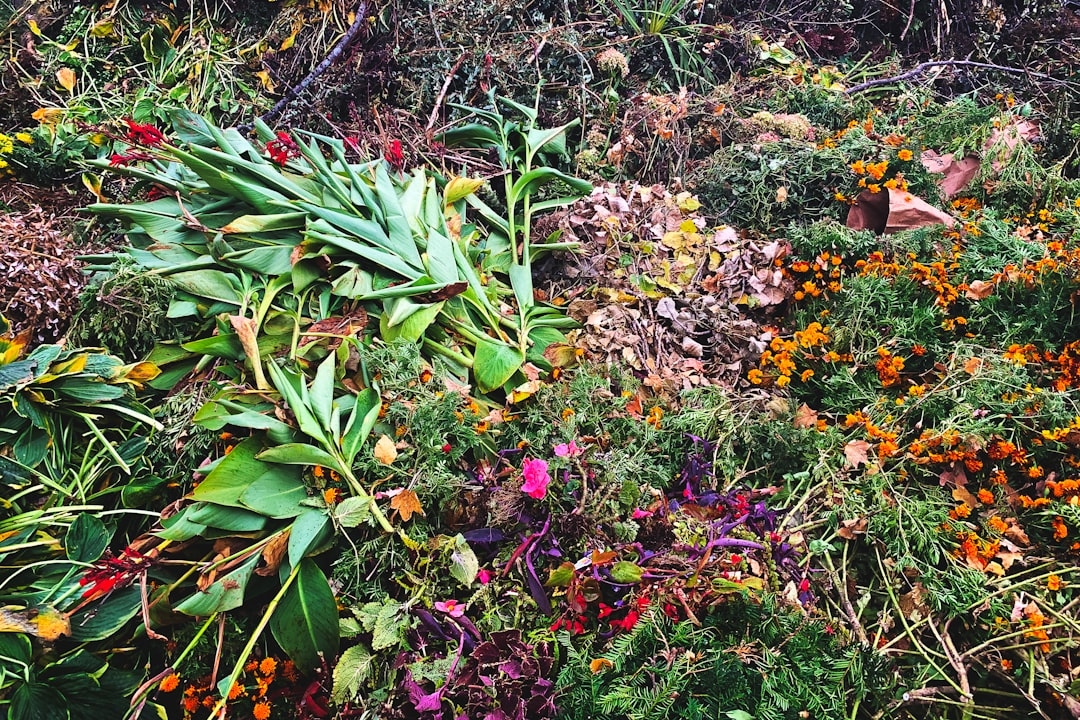
- Summer (June–August): Peak season for roses, zinnias, and sunflowers. This is the fastest decomposition window; heat accelerates microbial activity significantly. A well-managed hot pile can hit 130–160°F, killing weed seeds and pathogens.
- Fall (September–November): Dahlias, asters, and marigolds wind down. Combine spent annuals with fallen leaves for a near-perfect carbon-to-nitrogen ratio. This blend is ideal for a slow cold-pile that finishes by spring.
- Winter (December–February): Indoor bouquets and holiday arrangements are your main source. Poinsettia leaves, evergreen clippings (in moderation), and amaryllis stalks are all compostable. Your pile will be dormant or slow, but the material will wait.
Composting Fresh Flowers vs. Dried Flowers: Key Differences
This is where many gardeners get confused. Fresh flowers and dried flowers behave quite differently in the pile, and understanding the distinction improves your results.
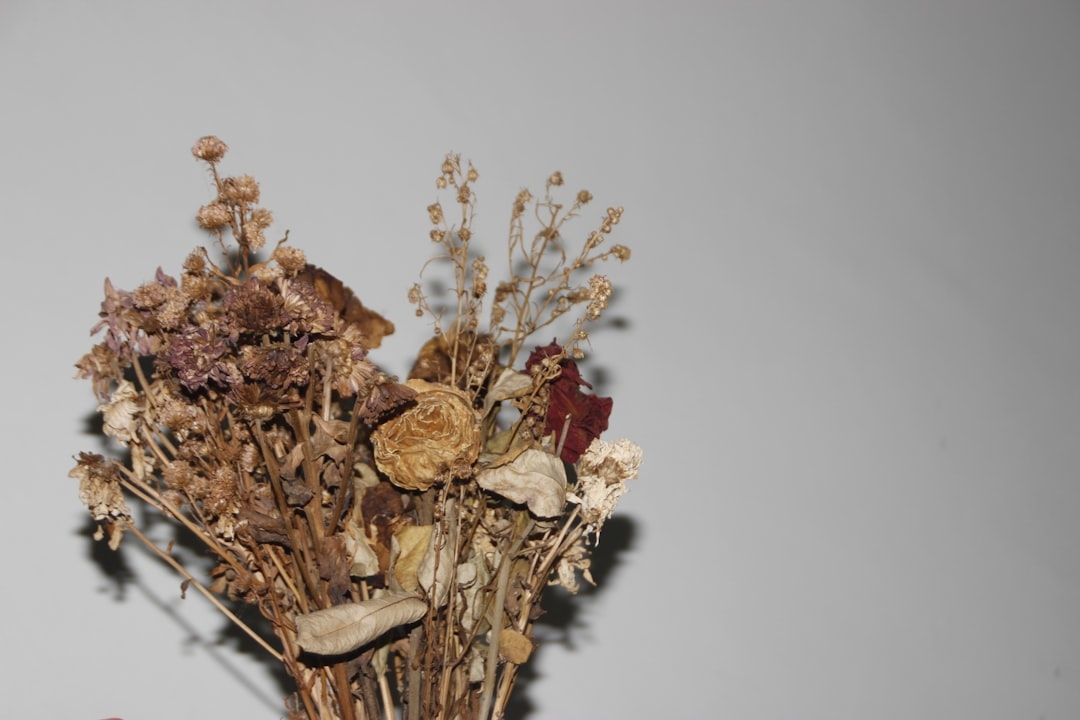
Fresh flowers are high in moisture and nitrogen. They decompose rapidly but can clump and smell if not layered properly. Dried flowers — potpourri, pressed arrangements, dried lavender bundles — are lower in nitrogen and behave more like a brown material. They take longer to break down but are less likely to create odor problems.
A commonly confused alternative: floral foam, sometimes called “oasis foam.” It looks organic and biodegradable, but conventional green floral foam is a phenol-formaldehyde plastic. It does not compost. Some newer brands market “biodegradable” foam, but most certified compost facilities don’t accept it either. When in doubt, skip it entirely and use water-soaked moss or a simple vase instead.
What to Watch Out For
One reader, a gardener in the Chicago suburbs named Karen, shared a cautionary experience in a gardening forum: she had composted a large batch of florist roses purchased from a grocery store chain, then used the finished compost on her edible garden beds. She later learned that commercial cut flowers — particularly imported roses — are among the most heavily pesticide-treated crops in the agricultural supply chain. Studies have found residues of up to 50 different pesticide compounds on imported cut flowers sold in the US.
Karen’s experience is a useful reminder: if you’re composting store-bought or commercially grown flowers, use the resulting compost on ornamental beds rather than vegetable gardens. Flowers you grow yourself from untreated seed, or certified organic blooms, are safe for all uses.
Also avoid composting flowers that show signs of fungal disease — powdery mildew, black spot, or botrytis blight. Unless your pile reliably reaches 130°F or higher, those pathogens can survive and reinfect your garden.
FAQ: Composting Old Flowers
Can you compost flowers with thorns, like roses?
Yes. Thorns are woody plant tissue and will break down, though more slowly than petals. Chop thorny stems into short pieces to speed decomposition and to avoid unpleasant surprises when turning the pile.
Can you compost flowers that were in a vase with bleach-treated water?
Generally yes, in small quantities. The bleach concentration in typical vase preservatives is very low and dilutes quickly in a large pile. Rinse stems if you’re adding a large volume at once.
How long does it take for flowers to compost?
Fresh flower petals can decompose in as little as 2 to 4 weeks in a hot, active pile. Thick stems and dried material take 6 to 12 weeks. Whole sunflower heads may take 3 to 4 months without shredding.
Can I put flowers in a worm bin (vermicompost)?
Yes, and worms love soft flower petals. Avoid adding large volumes at once, and always bury additions under bedding to prevent fruit flies. Skip heavily treated commercial flowers in a worm bin used for food-growing amendments.
Are all flower parts compostable?
Petals, leaves, and green stems: yes. Woody stems from shrubs like lilac or hydrangea: yes, but shred first. Bulbs (tulip, daffodil, hyacinth): generally avoid — they may re-sprout. Seeds from invasive species: skip them or use only in a verified hot pile.
Putting Your Flower Compost to Work
Once your flower compost has cured — dark, crumbly, and smelling like earth rather than plant matter — it’s ready to use. Work 1 to 2 inches into the top 6 inches of soil before planting, or use it as a top dressing around established perennials. Mixed with native soil, flower-based compost improves drainage in clay soils and water retention in sandy ones.
If you want to take it further, consider building a dedicated “floral compost” section in your bin, separate from kitchen scraps. Over time, you’ll develop a feel for the rhythm: fresh blooms in, finished compost out, and a garden that gets measurably better each season. Start this spring with whatever’s wilting on your counter right now.