How Long Do Lilies Last in a Vase — And How to Make Them Last Even Longer
7 min read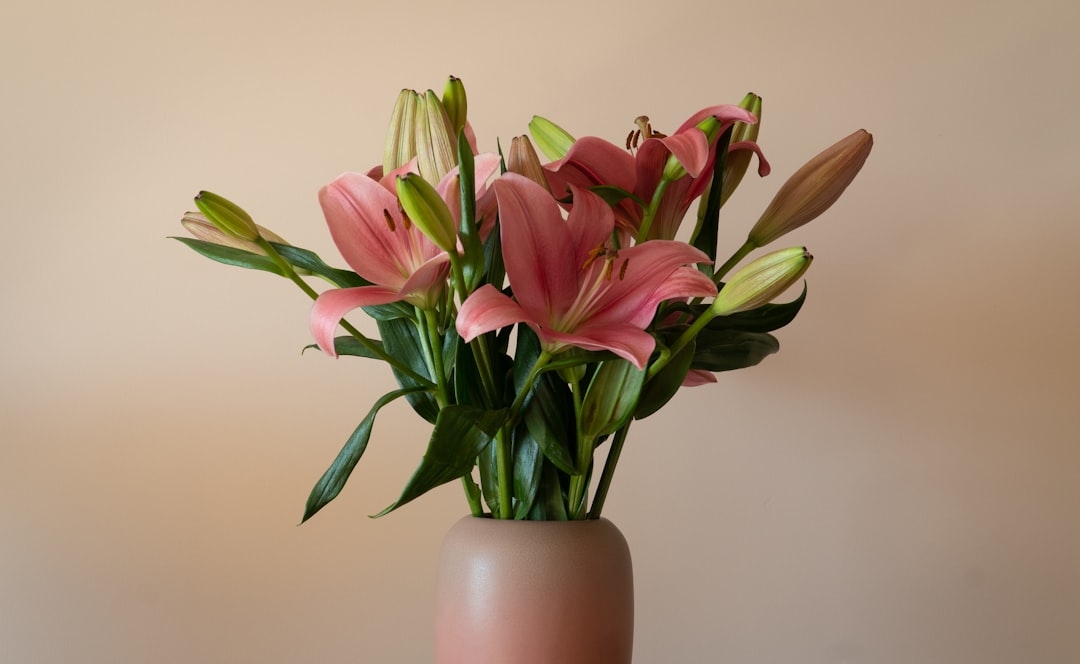
Contents:
- The Typical Vase Life of Lilies — What to Realistically Expect
- What Actually Affects How Long Lilies Last in a Vase
- Water Temperature and Freshness
- Light and Temperature Placement
- Flower Food and pH
- Pollen Removal
- Lilies vs. Tulips: Which Really Lasts Longer in a Vase?
- Regional Tips for Keeping Lilies Fresh Across the U.S.
- Practical Tips to Maximize How Long Your Lilies Last
- When to Buy — and When to Order — for Maximum Freshness
- Frequently Asked Questions
- How long do lilies last in a vase on average?
- How can I make lilies last longer in a vase?
- Do lilies last longer in cold or warm water?
- Why are my lilies drooping after just a few days?
- Should I remove the pollen from lilies?
- Make Every Bloom Count
What would you do with two extra weeks of blooms? That’s exactly what separates a well-cared-for lily from one left to fend for itself on a sunny windowsill. Lilies last in a vase anywhere from 7 to 21 days — a remarkably wide range that comes down almost entirely to the choices you make in the first 24 hours after bringing them home. Whether you’re arranging a grocery store bouquet or a florist-fresh delivery, getting this right makes all the difference.
The Typical Vase Life of Lilies — What to Realistically Expect
Fresh-cut lilies, under good conditions, average about 10 to 14 days in a vase. That’s the sweet spot most florists work with when planning arrangements for weddings or events. The lower end — around 7 days — tends to happen when lilies arrive already partially open, are stored in warm rooms, or don’t get a fresh water change for several days. Hit the upper end of 21 days and you’ve genuinely done something right.
Different lily varieties also age at different rates. Here’s a quick breakdown:
- Asiatic lilies: 7 to 12 days. They open fast and bloom hard — beautiful but brief.
- Oriental lilies (like Stargazers): 10 to 14 days. Slower to open, intensely fragrant, longer lasting.
- LA hybrid lilies: 12 to 16 days. A cross between Asiatic and Longiflorum varieties, bred partly for vase longevity.
- Longiflorum (Easter lilies): 7 to 10 days in a vase, though they’re grown more for potted display than cutting.
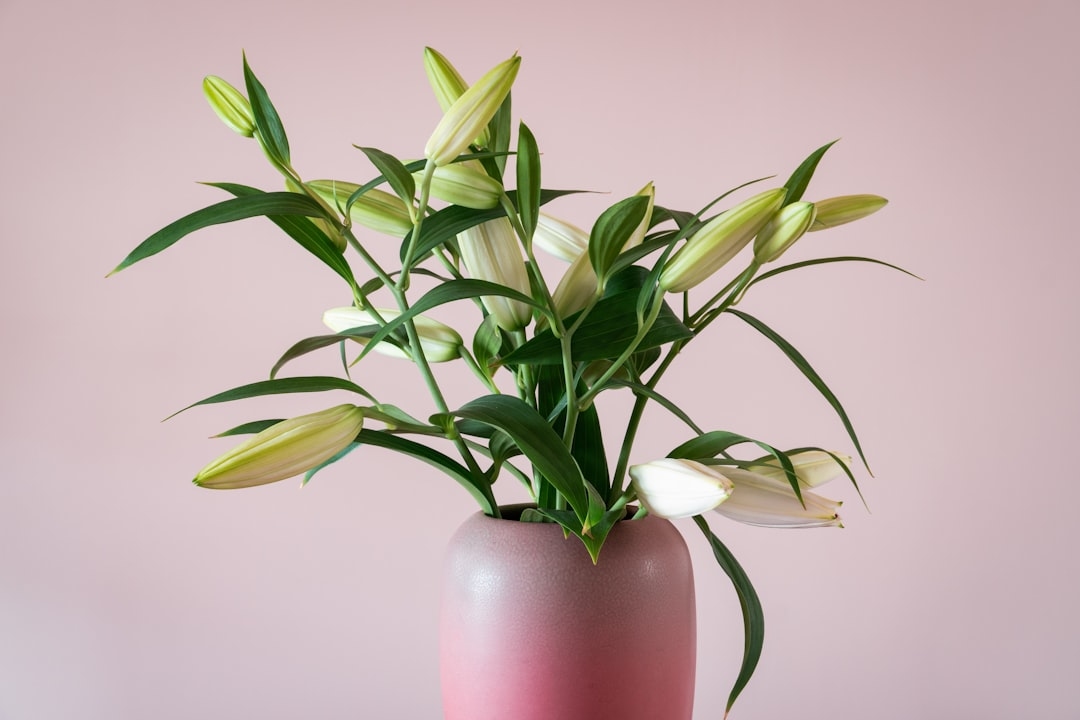
Buying lilies in bud — with just the tips showing color — gives you the maximum window. A stem with three or four buds will stagger its blooming over several days, extending the visual payoff considerably.
What Actually Affects How Long Lilies Last in a Vase
Water Temperature and Freshness
Room-temperature water is your friend. Cold water slows uptake; hot water accelerates bacterial growth. Change the water every two days minimum, and trim the stems by about half an inch at a 45-degree angle each time you do. This small cut reopens the vascular tissue and dramatically improves hydration — don’t skip it.
Light and Temperature Placement
Keep lilies away from direct sunlight and heat sources. A room held between 65°F and 72°F is ideal. Every 10-degree increase above 75°F can shorten vase life by two to three days. This is especially relevant in summer months across the South and Southwest, where interior temperatures without air conditioning can easily hit 80°F or higher. In contrast, florists in the Pacific Northwest — with their naturally cooler, damper climate — often report lilies lasting closer to the 14-to-18-day range without much effort at all.
Flower Food and pH
Those small packets of flower food that come with bouquets aren’t just filler. They contain three things: a sugar source (carbohydrates for the blooms), an acidifier (to lower water pH and improve uptake), and a biocide (to slow bacterial growth). Used correctly, they can extend vase life by 30 to 40 percent compared to plain water. If you’ve lost your packet, a DIY version works well: mix 1 tablespoon of sugar, 1 tablespoon of white vinegar, and ½ teaspoon of bleach per quart of water.
Pollen Removal
This one surprises people. As lilies open, remove the stamens — the pollen-laden anthers — before the pollen drops. This isn’t just about protecting your tablecloth (though lily pollen does stain permanently). Removing the stamens actually signals to the flower that pollination hasn’t occurred, which delays senescence. It’s a trick professional florists use routinely to stretch the bloom period by two to four extra days.
Lilies vs. Tulips: Which Really Lasts Longer in a Vase?
This comparison comes up constantly, and the answer might surprise you. Tulips in a vase typically last 5 to 10 days — noticeably shorter than most lily varieties. There’s a catch, though: tulips continue to grow after cutting (sometimes an inch or more), and they’re highly phototropic, meaning they’ll bend dramatically toward light sources. Lilies hold their shape and position far better, making them the more reliable choice for centerpieces and formal arrangements where predictability matters. If you’re choosing between the two for a long weekend event, lilies win by a clear margin.
Regional Tips for Keeping Lilies Fresh Across the U.S.
Where you live shapes how you care for your flowers more than most people realize.
- Northeast (New York, Boston, Philadelphia): Humid summers and heated winter apartments both pose challenges. In summer, air-conditioned rooms are actually ideal — cool and consistent. In winter, keep lilies away from radiators and baseboard heaters, which can dehydrate stems overnight.
- South (Texas, Georgia, Florida): High heat and humidity accelerate bacterial growth in vase water. Change water daily in summer rather than every two days, and consider adding a copper penny to the vase — copper has mild antibacterial properties.
- West Coast (California, Oregon, Washington): The temperate climate is genuinely ideal for vase flowers. San Francisco’s average summer temperatures in the mid-60s°F are almost perfect. Californians ordering from local flower markets like the San Francisco Flower Mart often receive lilies that are already cold-chain optimized, which adds days to their vase life right from the start.
- Midwest (Chicago, Minneapolis): Forced-air heating in winter drops indoor humidity sharply. Use a humidifier near your arrangement, or mist the blooms lightly once a day — but avoid getting water on the petals for extended periods, which can cause spotting.
Practical Tips to Maximize How Long Your Lilies Last
- Cut stems immediately upon arrival. Even 20 minutes out of water causes air pockets to form, blocking hydration. A fresh diagonal cut and immediate placement in water resets the clock.
- Remove all foliage below the waterline. Submerged leaves rot within 24 hours and create a bacterial soup that shortens vase life significantly.
- Use a clean vase. Old vases harbor biofilm that’s invisible to the eye but devastating to cut flowers. Wash with hot soapy water and a drop of bleach before every arrangement.
- Keep them away from fruit bowls. Ripening fruit emits ethylene gas, which accelerates petal drop and aging in lilies — sometimes cutting vase life by 30 percent or more.
- Refrigerate overnight if possible. Florists store cut flowers at 34°F to 38°F for a reason. Even putting your lily arrangement in a cool garage or basement overnight can add two to three days of life.
When to Buy — and When to Order — for Maximum Freshness
Lilies purchased directly from a local florist or flower market are typically 2 to 4 days fresher than grocery store bunches, which have often sat in a distribution center for several days. For online delivery services, look for companies that ship direct from farms — often marketed as “farm-to-door” — which can cut that supply chain lag significantly. Expect to pay $25 to $55 for a quality Oriental lily bouquet delivered, versus $8 to $18 at the grocery store. The freshness gap is real, and it shows up directly in vase life.
Frequently Asked Questions
How long do lilies last in a vase on average?
Most cut lilies last between 10 and 14 days in a vase under proper care — cool temperatures, clean water changed every two days, and stems trimmed regularly. Asiatic lilies tend toward the shorter end; Oriental and LA hybrids toward the longer end.
How can I make lilies last longer in a vase?
Remove the pollen-bearing stamens as soon as buds open, keep the vase away from direct sunlight and fruit, change water every two days with a fresh stem trim, and use commercial flower food or a homemade solution of sugar, vinegar, and bleach.
Do lilies last longer in cold or warm water?
Room-temperature water — around 68°F to 72°F — is optimal. Cold water slows hydration uptake, while warm water encourages faster bacterial growth. Change the water frequently regardless of temperature.
Why are my lilies drooping after just a few days?
Drooping usually signals either a blocked stem (re-cut at an angle immediately), bacterial water contamination (change water and clean the vase), or excessive heat. Check that your vase is clean, the water is fresh, and the room temperature is below 72°F.
Should I remove the pollen from lilies?
Yes — and do it early. Removing the stamens before pollen drops prevents staining, extends bloom life by two to four days, and reduces allergen exposure. Use a tissue or small scissors; avoid touching the pollen directly as it stains skin and fabric instantly.
Make Every Bloom Count
Getting two solid weeks out of a vase of lilies isn’t luck — it’s a handful of consistent habits done right from day one. Trim the stems, remove the pollen, keep the water clean, and find that cool spot away from the fruit bowl and the afternoon sun. Do those four things, and you’ll regularly hit the upper range of how long lilies last in a vase. Once you’ve experienced a 16-day Oriental lily arrangement, the grocery store shortcut stops feeling like a bargain. Your next step: head to a local florist or flower market, ask for stems in tight bud, and put these techniques to work. The difference will be obvious by day five.