How Much Do Wedding Flowers Cost on Average?
7 min read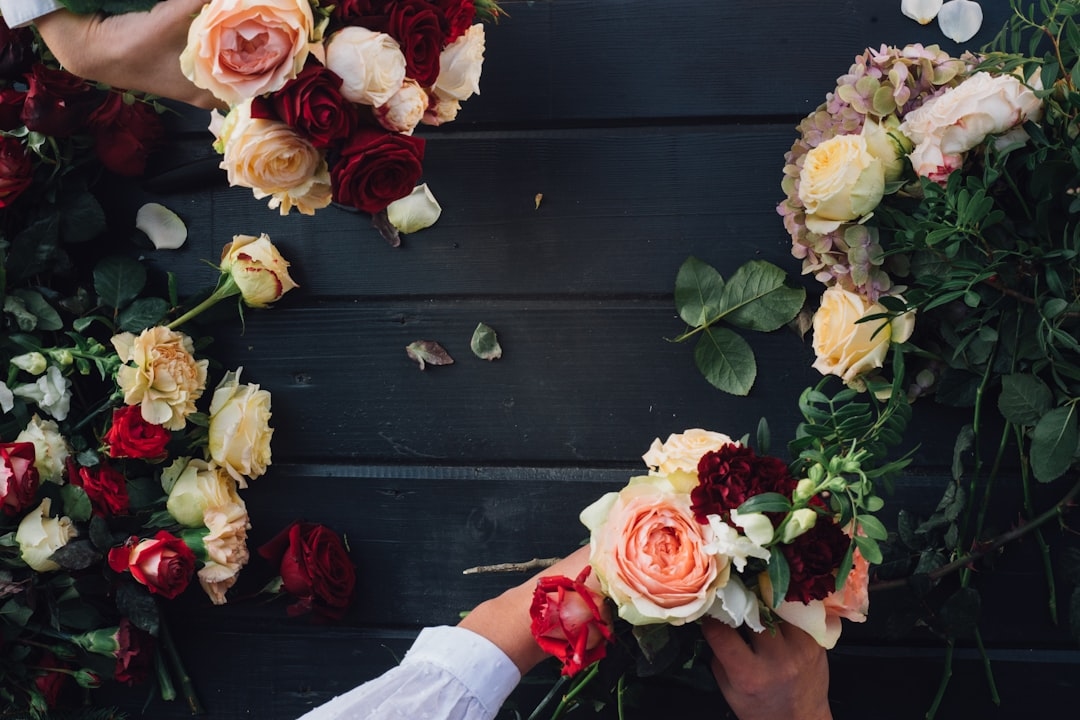
Contents:
- What Drives the Average Wedding Flower Cost?
- Breaking Down the Cost by Floral Element
- Bridal Bouquet
- Bridesmaids’ Bouquets
- Boutonnieres and Corsages
- Ceremony Flowers
- Reception Centerpieces
- Fresh Flowers vs. Dried or Artificial: A Real Comparison
- How to Get More From Your Floral Budget
- Regional Price Differences in the US
- Frequently Asked Questions
- What is the average wedding flower cost for a small wedding?
- How do I know if a florist’s quote is reasonable?
- Do wedding florists charge for delivery and setup?
- Can I buy my own flowers and DIY my wedding florals?
- What flowers are least expensive for weddings?
- Plan With Numbers, Not Feelings
Most couples dramatically underestimate their floral budget — and pay for it twice. Once at the florist, and once when they have to cut something else to compensate. The average wedding flower cost in the United States sits between $1,500 and $3,000 for a mid-size wedding, but that number swings wildly based on season, flower variety, and how many arrangements you’re ordering. Before you fall in love with a Pinterest board full of peonies and garden roses, here’s what the numbers actually look like.
What Drives the Average Wedding Flower Cost?
Floral pricing isn’t arbitrary. It’s driven by a combination of wholesale flower costs, labor, delivery, and design complexity. A florist isn’t just selling you stems — they’re selling hours of skilled arrangement, refrigeration, transportation logistics, and often same-day setup and breakdown at your venue.
According to national survey data compiled by wedding planning platforms, couples in the US spend an average of 8–10% of their total wedding budget on flowers. On a $30,000 wedding, that’s $2,400–$3,000. On a $50,000 wedding, you’re looking at $4,000–$5,000 or more.
The key cost drivers include:
- Flower variety: Locally grown seasonal flowers cost significantly less than imported exotics. Garden roses, for example, can cost 3–4x more than carnations per stem wholesale.
- Season: Peonies peak in late spring. Dahlias are a fall flower. Ordering out of season means importing, which inflates cost.
- Arrangement complexity: A tightly structured bridal bouquet takes more labor than a loose, “just-picked” garden style.
- Venue size and layout: More tables mean more centerpieces. Tall, dramatic installations cost more than low, compact ones.
- Geographic location: Florists in New York City or San Francisco charge significantly more than those in smaller markets like Omaha or Raleigh.
Breaking Down the Cost by Floral Element
Rather than thinking about flowers as a single budget line, break them into individual components. This gives you real flexibility to prioritize what matters most to you.
Bridal Bouquet
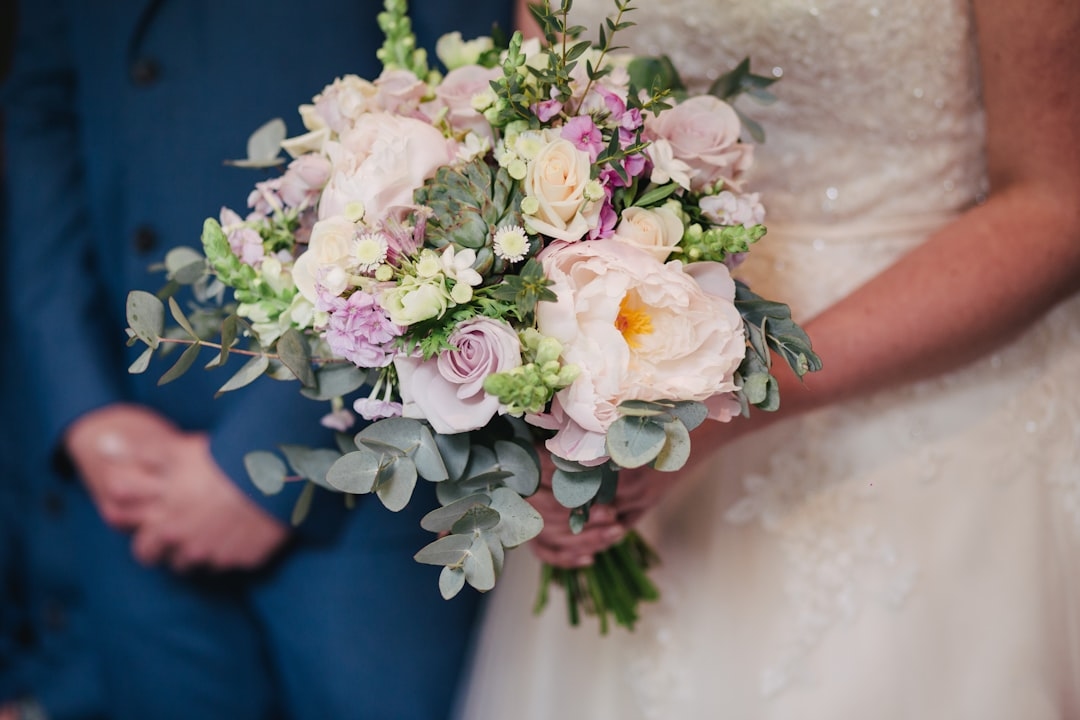
The bridal bouquet is typically the single most expensive individual arrangement. Expect to pay $150–$350 for a standard bouquet, with luxury designs featuring garden roses, ranunculus, and lisianthus running $400–$600 or more. Cascading bouquets — the dramatic, trailing style — take significantly more material and labor, often landing at the higher end.
Bridesmaids’ Bouquets
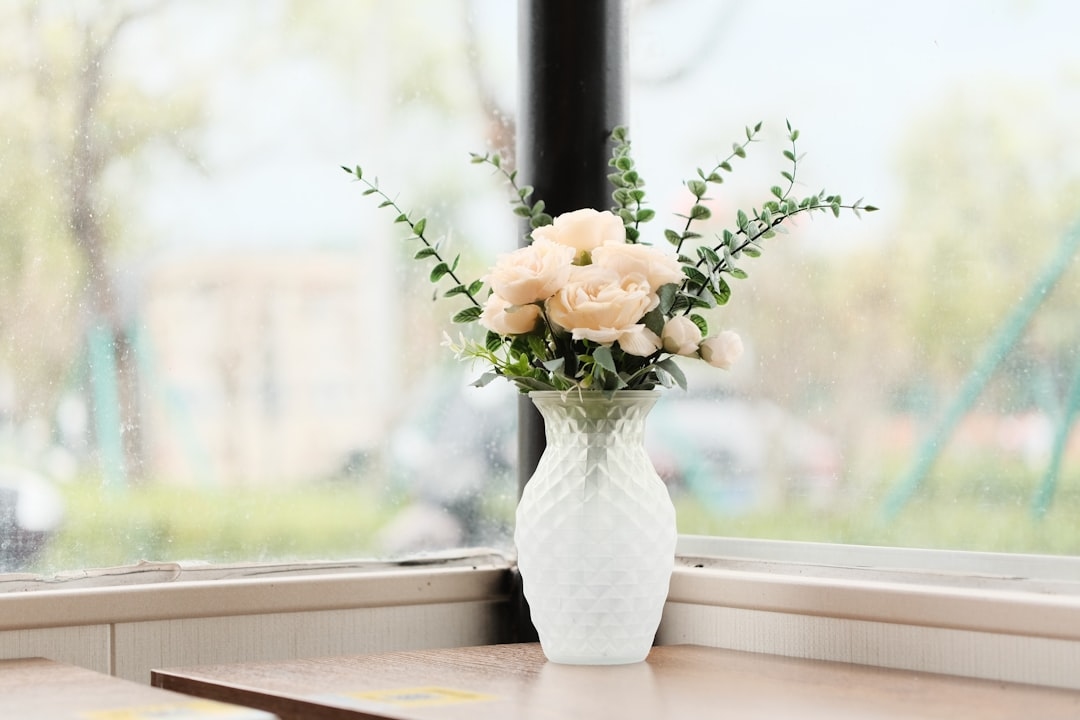
Smaller and simpler than the bridal bouquet, bridesmaids’ bouquets typically run $65–$125 each. With four bridesmaids, you’re looking at $260–$500 just for this line item. A popular cost-saving move: use a single flower type (like white spray roses or eucalyptus) rather than a mixed arrangement.
Boutonnieres and Corsages
These small pieces add up faster than most couples expect. Boutonnieres run $18–$35 each; corsages are $30–$60 each. With a wedding party of ten plus immediate family, this line can easily reach $400–$600.
Ceremony Flowers
Altar arrangements, aisle markers, and ceremony arch florals vary enormously. A simple floral arch with greenery and white blooms starts around $400–$800. A fully installed, flower-dense arch with garden roses and orchids? Budget $1,500–$3,500 or more. Pew markers or aisle cones typically add another $200–$600 depending on quantity.
Reception Centerpieces
Centerpieces are usually the biggest chunk of the total floral budget. Low arrangements run $75–$150 per table; tall statement pieces run $200–$500+ per table. For a 15-table reception, that’s anywhere from $1,125 to $7,500 — just for centerpieces. This is where the budget either holds together or falls apart.
Fresh Flowers vs. Dried or Artificial: A Real Comparison
A common question at the planning stage: should you go with fresh flowers at all, or consider dried or artificial alternatives? The comparison is worth making carefully.
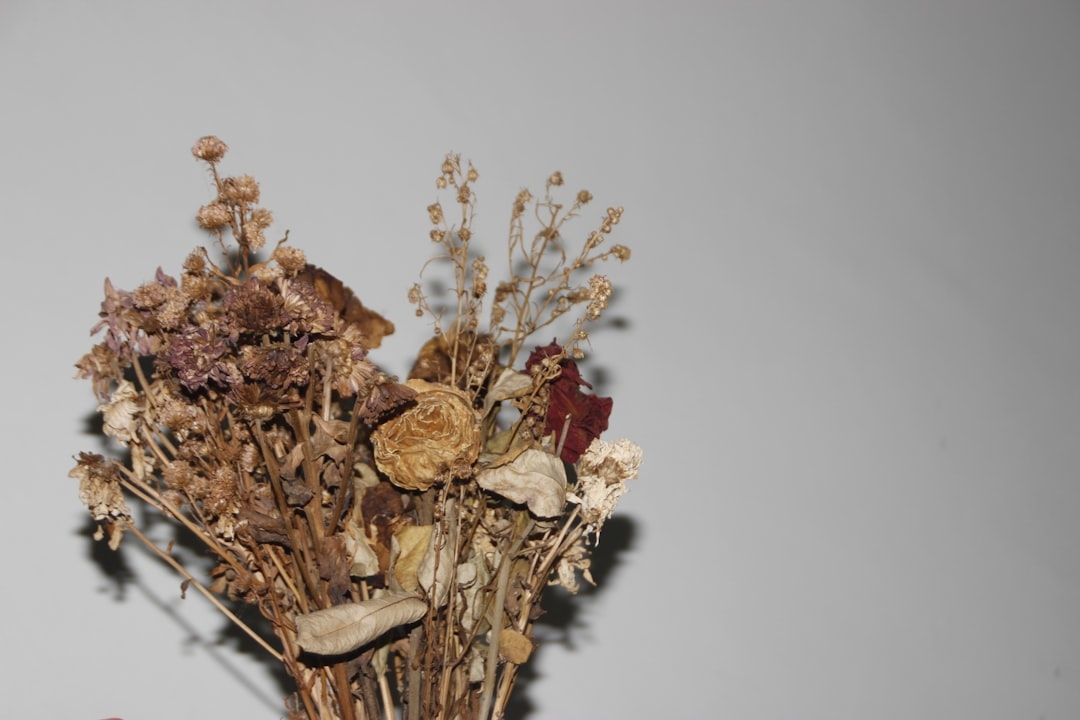
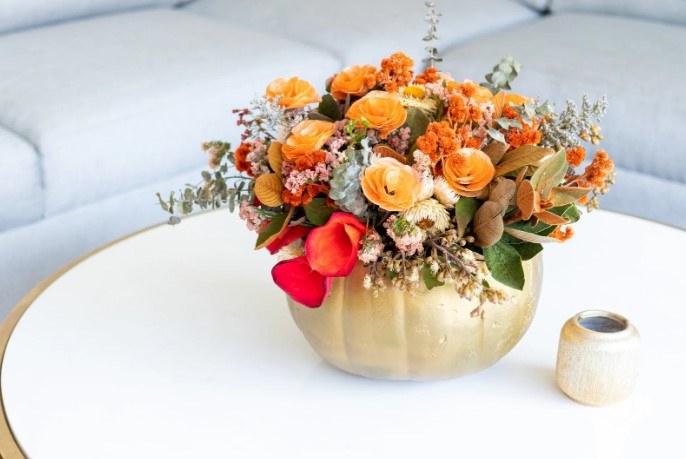
Dried flowers have surged in popularity since 2020 and offer real advantages. They’re available year-round regardless of season, they can be ordered well in advance, and they photograph beautifully in the golden tones that are currently trending. A comparable dried flower arrangement typically costs 30–50% less than its fresh counterpart. The trade-off is fragrance — dried flowers have none — and a different aesthetic that won’t suit every wedding style.
Artificial (silk or foam) flowers are a different matter. High-quality silk arrangements can look stunning in photos but feel obviously synthetic in person. They’re difficult to incorporate seamlessly alongside fresh greenery and rarely satisfy couples who imagined the scent of gardenias or the delicate texture of a fresh peony. Budget-wise, a convincing silk arrangement doesn’t actually save much over seasonal fresh flowers once you factor in quality materials.
The bottom line: dried flowers are a genuinely smart alternative for the right aesthetic. Artificial flowers are best reserved for specific elements — like boutonnieres that need to survive a long, active day without wilting.
How to Get More From Your Floral Budget
Rebecca Hartley, a certified floral designer with 14 years of experience and owner of Hartley Bloom Studio in Charleston, SC, puts it plainly: “Most couples spend their budget in the wrong places. They splurge on the bridal bouquet — which is in photos for about two hours — and then skimp on the ceremony installation, which is their backdrop for the entire event. Prioritize what’s visible the longest.”
Beyond prioritization, here are concrete strategies that actually move the needle:
- Choose in-season flowers. A May wedding? Peonies and tulips are at peak availability and lowest cost. A September wedding? Dahlias, marigolds, and zinnias are your friends.
- Lean into greenery. Eucalyptus, ferns, and tropical leaves are far less expensive than blooms and can carry significant visual weight. A lush, greenery-forward arrangement often reads as more luxurious than a sparse floral one.
- Use ceremony florals at the reception. Work with your florist to repurpose altar arrangements as reception pieces. This requires venue coordination but can eliminate an entire budget category.
- Limit variety. The more flower types in a single arrangement, the higher the cost. Two or three complementary varieties often look more intentional — and more sophisticated — than a dozen.
- Get quotes from three florists. Pricing varies dramatically between studios even in the same city. Always compare itemized quotes, not just totals.
Regional Price Differences in the US
Geography matters more than most couples realize. The same bridal bouquet that costs $200 in Kansas City might cost $380 in Los Angeles or $420 in Manhattan. Below are rough regional benchmarks for a mid-size wedding (100–120 guests) with standard florals:
- Midwest and Southeast: $1,800–$2,800 total
- Northeast and Mid-Atlantic: $3,000–$5,500 total
- West Coast: $3,500–$6,000 total
- Mountain West and Plains: $1,500–$2,500 total
These are starting points, not ceilings. A design-forward florist in Denver can charge as much as one in Boston. The florist’s reputation and aesthetic niche matter as much as zip code.
Frequently Asked Questions
What is the average wedding flower cost for a small wedding?
For a small wedding of 50 guests or fewer, most couples spend between $800 and $1,800 on florals. This typically covers a bridal bouquet, two to three bridesmaids’ bouquets, boutonnieres, and modest centerpieces for five to eight tables.
How do I know if a florist’s quote is reasonable?
Ask for an itemized breakdown, not just a package price. Compare cost-per-stem and labor charges across at least three florists. If a quote seems unusually low, ask which flowers will be substituted — budget quotes often swap in carnations or spray roses where you pictured garden roses or ranunculus.
Do wedding florists charge for delivery and setup?
Yes. Delivery, setup, and breakdown fees typically add 15–25% to the base floral cost. Always confirm whether a quote includes these services. Some florists list them separately; others bundle them. For venues more than 30 miles away, expect a surcharge.
Can I buy my own flowers and DIY my wedding florals?
It’s possible, but less simple than it looks. Wholesale flowers from a supplier like Costco Business Center or an online wholesaler require ordering 5–7 days in advance and storing properly at 34–36°F. DIY florals work best for simple arrangements — bud vases, loose greenery runners — not structured bouquets or installations, which require professional training and tools.
What flowers are least expensive for weddings?
The most budget-friendly options include carnations, chrysanthemums, alstroemeria, baby’s breath, spray roses, and seasonal greenery. When well-designed, these flowers create arrangements that look intentional and full — not cheap. Carnations in particular have had a significant style revival among wedding designers who favor their long vase life and dense, lush texture.
Plan With Numbers, Not Feelings
The couples who stay on budget are almost always the ones who built their floral wish list in reverse — starting with a firm number and working backward to decide what it can buy, rather than falling in love with a design and then trying to afford it. Talk to your florist about your budget in the very first conversation. A good florist won’t flinch at a number; they’ll tell you exactly what it can and can’t accomplish. That clarity is worth more than any savings tip.
Request quotes by early fall if you’re marrying the following spring or summer. Peak wedding season florists book out six to twelve months in advance, and your leverage — and their availability — diminishes fast.