What to Put in Flower Water to Make Them Last Longer
6 min read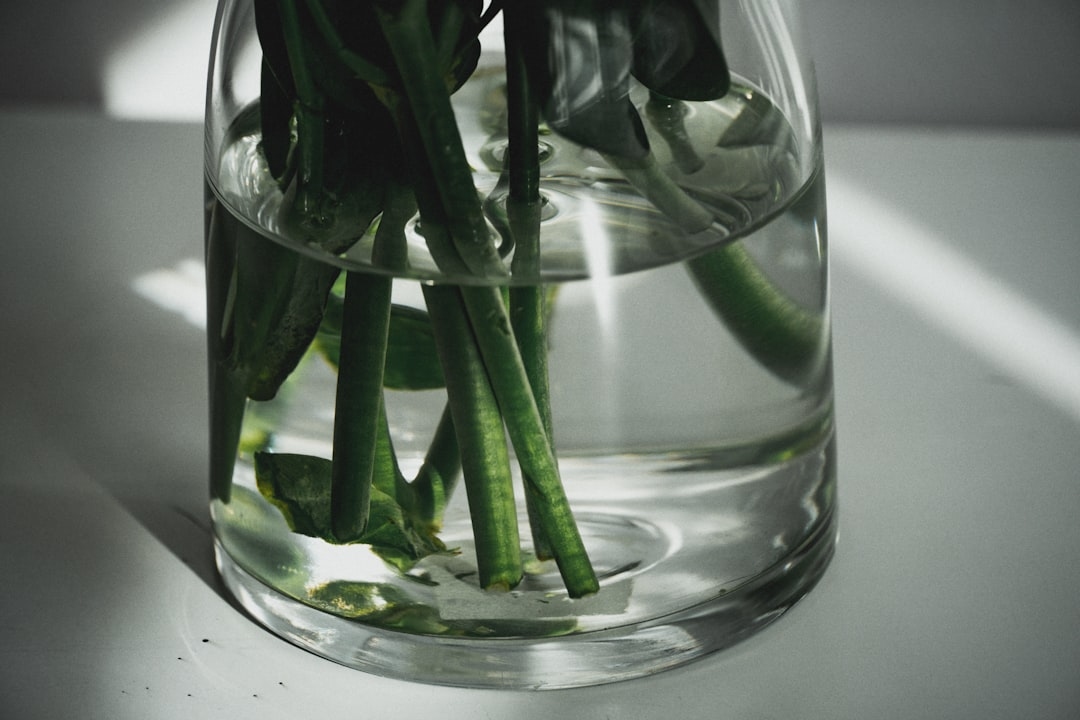
Contents:
- Why Plain Water Isn’t Enough
- Best Flower Water Additives to Make Flowers Last Longer
- Sugar + Bleach (The DIY Preservative)
- Apple Cider Vinegar + Sugar
- Aspirin
- Vodka + Sugar
- Copper Coins
- Flower Water Additives vs. Commercial Preservative Packets
- Seasonal Timing: When You Buy Flowers Matters
- Practical Tips for Maximum Vase Life
- Budget Breakdown: What You’ll Spend
- Frequently Asked Questions
- What is the best homemade flower preservative?
- Does aspirin really make cut flowers last longer?
- How often should I change flower water?
- Can I use Sprite or lemon-lime soda in flower water?
- What flowers last the longest in a vase?
- Plan Ahead for Long-Lasting Arrangements
The right flower water additive to make flowers last longer can mean the difference between a stunning centerpiece that holds through your entire wedding reception and one that starts drooping before the cake is cut. Most flowers begin wilting within 24 to 48 hours of being cut — but with the correct vase solution, many varieties can stay fresh for 7 to 14 days.
Cut flowers are essentially in survival mode. The moment a stem is severed, the plant loses access to nutrients and begins fighting bacterial buildup in the water. Your job is to slow that process down using the right combination of ingredients.
Why Plain Water Isn’t Enough
Tap water keeps flowers hydrated, but hydration alone doesn’t address the two main killers of cut flowers: bacterial growth and sugar starvation. Bacteria multiply rapidly in standing water, clogging stem cells and blocking water uptake. Without a carbohydrate source, flowers can’t fuel the cell processes that keep petals firm and upright.
Commercial flower preservatives — those small packets that come with grocery store bouquets — typically contain three components: a biocide to kill bacteria, a sugar for energy, and an acidifier to lower water pH, which helps with absorption. The good news? You can replicate all three using common household ingredients.
Best Flower Water Additives to Make Flowers Last Longer
1. Sugar + Bleach (The DIY Preservative)
This is the most effective homemade solution. Mix 1 teaspoon of regular household bleach with 1 tablespoon of white granulated sugar per quart of water. The bleach kills bacteria; the sugar feeds the blooms. Studies from floral industry sources suggest this combination can extend vase life by 3 to 5 days compared to plain water alone.
Use this for roses, tulips, lilies, and dahlias. Avoid it for flowers that are bleach-sensitive, like gardenias, which may develop brown spots on delicate petals.
2. Apple Cider Vinegar + Sugar
Combine 2 tablespoons of apple cider vinegar with 2 tablespoons of sugar per quart of water. The vinegar acidifies the water (dropping pH from around 7 to roughly 4–5), which mirrors the slightly acidic conditions that help stems absorb water more efficiently. This works particularly well for hydrangeas and peonies.
3. Aspirin
Crush one standard 325 mg aspirin tablet into a quart of water before adding your flowers. Aspirin (acetylsalicylic acid) lowers the water’s pH and has mild antibacterial properties. It’s a solid single-ingredient option when you need something fast. It’s not as comprehensive as the sugar-bleach combo, but it reliably adds 2 to 3 extra days of vase life for most common cut flowers.
4. Vodka + Sugar
Add a few drops of vodka (about ¼ teaspoon) and 1 teaspoon of sugar per quart of water. The alcohol inhibits ethylene gas production — the ripening hormone that accelerates wilting. This method is especially useful for flowers that are sensitive to ethylene, including carnations, snapdragons, and alstroemeria.
5. Copper Coins
Drop a pre-1982 U.S. penny into the vase. Older pennies contain 95% copper, which acts as a natural fungicide. This method is modest in effect compared to the options above, but it’s a useful supplement when combined with sugar. Post-1982 pennies are mostly zinc and won’t work the same way.
Flower Water Additives vs. Commercial Preservative Packets
The most common comparison shoppers make is between homemade solutions and the commercial packets (brands like Chrysal or Floralife). Here’s the honest breakdown:
- Commercial packets: Formulated with precise ratios of biocide, sugar, and acidifier. A single packet costs roughly $0.10–$0.25 and treats one standard vase. For large events, buying in bulk (500-count boxes for around $15–$20) is the most cost-effective route.
- DIY solutions: A bottle of bleach costs about $3 and a bag of sugar under $2 — enough to treat dozens of vases for well under $5 total. The tradeoff is slightly less precision.
For a home arrangement or small dinner party, DIY works beautifully. For a 200-person wedding with 30 centerpieces, commercial packets offer consistency and peace of mind. Both outperform plain water by a significant margin.
Seasonal Timing: When You Buy Flowers Matters
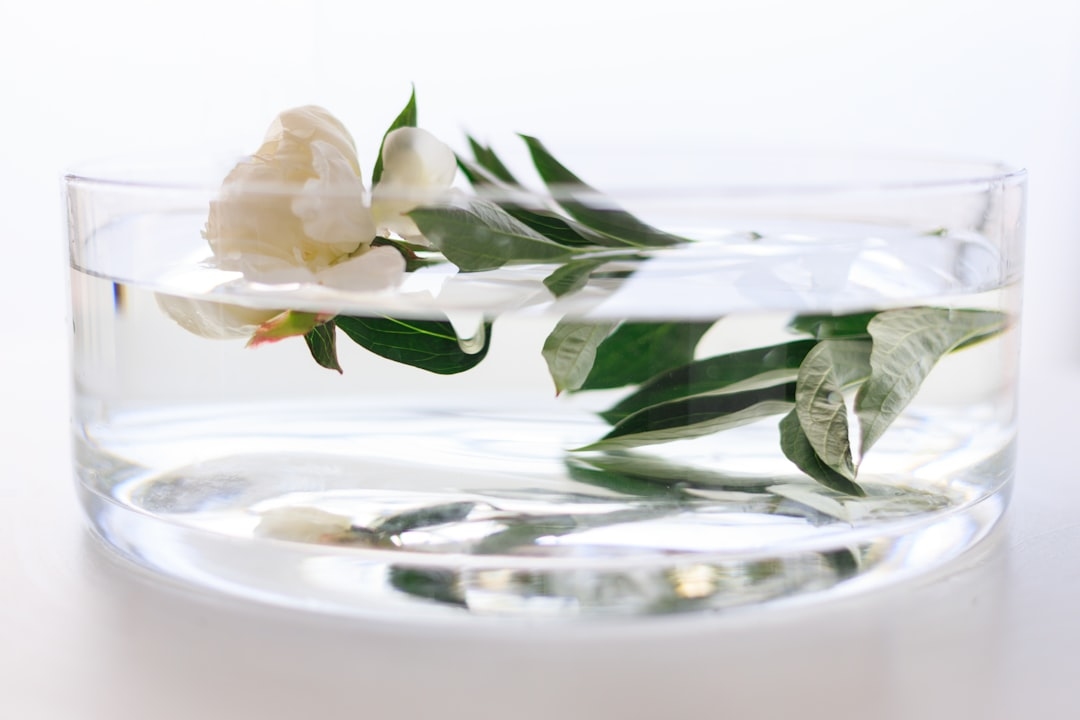
The season you’re working in directly affects how hard your flower water additive needs to work.
- Spring (March–May): Peak season for tulips, peonies, and ranunculus. Flowers are generally at their freshest and most resilient. A basic sugar-bleach solution is usually sufficient.
- Summer (June–August): Heat accelerates bacterial growth. Change vase water every 24 hours, not every 48. Double down on your bleach component. Roses and dahlias are especially vulnerable in temperatures above 75°F.
- Fall (September–November): Ideal conditions for dahlias, sunflowers, and marigolds. Cooler temperatures slow bacterial growth, giving your additives more time to work.
- Winter (December–February): Heated indoor air is dry and warm. Keep arrangements away from heating vents and consider adding a few drops more sugar to compensate for faster evaporation.
Practical Tips for Maximum Vase Life
- Cut stems at a 45-degree angle underwater to maximize surface area and prevent air bubbles from blocking uptake.
- Remove all leaves below the waterline. Submerged foliage rots within hours and dramatically accelerates bacterial bloom.
- Use lukewarm water (around 100–110°F) for most flowers. Cold water slows uptake. Exception: bulb flowers like tulips and hyacinths prefer cold water.
- Keep arrangements out of direct sunlight and away from fruit bowls — ripening fruit emits ethylene gas that speeds wilting.
- Refresh the water every 2 days, re-cutting stems each time by about ½ inch.
Budget Breakdown: What You’ll Spend
Here’s an approximate cost per vase to treat flower water using different methods:
- Plain water: $0
- Aspirin: ~$0.05 per tablet
- Sugar + bleach DIY mix: ~$0.10–$0.15 per quart
- Apple cider vinegar + sugar: ~$0.20–$0.25 per quart
- Commercial Floralife packet: ~$0.10–$0.25 per packet
- Bulk commercial packets (500 count): ~$0.03–$0.04 per packet
For a wedding with 25 arrangements, you’re looking at $0.75 to $6.25 total for preservative solution — a negligible cost compared to the flowers themselves, which may run $500 to $3,000 or more depending on variety and quantity.
Frequently Asked Questions
What is the best homemade flower preservative?
The most effective homemade flower preservative is a combination of 1 tablespoon white sugar, 1 teaspoon household bleach, and 1 quart of lukewarm water. This replicates the three active components of commercial packets: a food source, a biocide, and pH adjustment.
Does aspirin really make cut flowers last longer?
Yes. Crushing one 325 mg aspirin into a quart of water lowers the pH and provides mild antibacterial action, typically adding 2 to 3 days of vase life. It’s less comprehensive than a sugar-bleach solution but works well as a quick fix.
How often should I change flower water?
Change vase water every 48 hours under normal conditions, and every 24 hours in warm weather (above 72°F). Re-cut stems by ½ inch each time and re-add your chosen flower water additive with each fresh batch of water.
Can I use Sprite or lemon-lime soda in flower water?
Yes, with caveats. Mix ¼ cup of clear lemon-lime soda (like Sprite or 7UP — not diet) with ¾ cup of water. The sugar feeds the flowers and the citric acid lowers pH. The carbonation dissipates quickly and has no meaningful effect. It works reasonably well but isn’t as bacterially effective as a bleach-based solution.
What flowers last the longest in a vase?
Chrysanthemums, carnations, and alstroemeria consistently last 2 to 3 weeks with proper care and a good flower water additive. Orchids and lilies typically last 1 to 2 weeks. Roses average 7 to 10 days. Tulips and peonies are the most fleeting, usually lasting 5 to 7 days even with optimal treatment.
Plan Ahead for Long-Lasting Arrangements
Choosing the right flower water additive is a small decision with a measurable payoff. If you’re working toward a specific event — a wedding, a graduation party, a holiday table — buy your flowers 2 to 3 days in advance and condition them immediately in a treated solution in a cool room (ideally 60–65°F). By the time your event arrives, the blooms will be fully open and at their most vibrant, with several days of display life still ahead of them.
Talk to your local florist about what conditioning solutions they use for the specific varieties you’re ordering. Many wholesalers and professional florists use Chrysal Professional or Floralife Express 300 — both available online in consumer-sized packages for $8 to $15. It’s an investment worth making when the flowers themselves represent a significant part of your event budget.