How to Make Grocery Store Flowers Last Longer
8 min read
Contents:
- Why Grocery Store Flowers Last Longer With Proper Care
- The First 30 Minutes Matter Most
- How to Cut Stems the Right Way
- Re-Cutting Every 2 to 3 Days
- Water Quality and Flower Food
- How Often to Change the Water
- Temperature and Location: More Important Than You Think
- Grocery Store Flowers vs. Florist Flowers: What’s Actually Different
- Variety-Specific Tips for Common Grocery Store Flowers
- Roses
- Lilies
- Sunflowers
- Carnations and Alstroemeria
- Practical Tips to Maximize Vase Life
- Frequently Asked Questions
- How long do grocery store flowers typically last?
- Does aspirin help flowers last longer?
- Should flower water be cold or warm?
- Why does my flower water get cloudy so fast?
- Can you revive flowers that are already wilting?
- Getting the Most From Every Bouquet
You pick up a cheerful bouquet from the grocery store — sunflowers, maybe, or a mixed arrangement wrapped in cellophane — set it in a vase at home, and two days later the petals are drooping and the water has turned murky. It’s a familiar frustration. The good news: those same supermarket flowers, with the right care, can stay vibrant for 7 to 14 days. The difference isn’t luck. It’s technique.
Grocery store flowers get a bad reputation, but it’s largely undeserved. Most supermarket bouquets are sourced from commercial growers in Colombia, Ecuador, or the Netherlands — the same supply chains that feed many florists. What separates a long-lasting arrangement from a wilted one is almost entirely what happens after you bring it home.
Why Grocery Store Flowers Last Longer With Proper Care
Cut flowers are still biologically active after harvest. They continue to transpire, absorb water, and respond to their environment. The moment a stem is cut, it begins sealing itself against air — which is exactly the wrong thing for longevity. Bacteria also begin colonizing the cut end and the water almost immediately.
Two things kill most grocery store bouquets prematurely: blocked water uptake and bacterial growth. Addressing both, right from the start, is the foundation of everything that follows.
The First 30 Minutes Matter Most
When you get home, don’t put the flowers straight into a vase and walk away. Fill a clean vase or pitcher with cool water — around 60°F is ideal for most common varieties like roses, carnations, and alstroemeria. Remove all packaging, rubber bands, and any floral foam that may have been tucked in for transport.
Strip off any leaves that will sit below the waterline. A single submerged leaf can introduce enough bacteria to cloud your water and shorten vase life by 3 to 4 days. This step takes 60 seconds and pays off significantly.
How to Cut Stems the Right Way
Before placing any flower in water, trim at least one inch off each stem — and do it at a 45-degree angle. The angled cut increases the surface area available for water absorption and prevents the stem end from resting flat against the bottom of the vase, which would block uptake entirely.
Cut under running water or, better yet, submerge the stems in a bowl of water while cutting. Exposure to air for even a few seconds allows stems to begin forming an air embolism — essentially an air bubble that prevents water from traveling up to the bloom. A sharp knife is preferable to scissors, which can crush the vascular tissue in the stem.
Re-Cutting Every 2 to 3 Days
This is the step most people skip. Stem ends seal over time, and even with clean water, uptake slows as the cut surface oxidizes. Re-trimming a half-inch every two to three days keeps the pathway open and is one of the most effective ways to extend vase life noticeably.
Water Quality and Flower Food
The small packet of flower food that comes with most grocery store bouquets is not a gimmick. It typically contains three components: a sugar source (carbohydrates for the blooms), an acidifier (usually citric acid, which lowers pH and improves water uptake), and a biocide (often bleach in trace amounts) to inhibit bacterial growth.
Use it. Studies from Wageningen University in the Netherlands — a leading center for floriculture research — have shown that commercial floral preservatives can extend cut flower vase life by 30 to 60 percent compared to plain water alone.
If you’ve lost the packet or want a DIY alternative, mix one teaspoon of sugar, one teaspoon of white vinegar, and a quarter teaspoon of household bleach per quart of water. It’s not identical to commercial preservative, but it replicates the core functions.
How Often to Change the Water
Change the water every two days, or sooner if it becomes cloudy. Each time you change the water, rinse the vase thoroughly — bacteria cling to the interior walls and will recolonize fresh water quickly if the container isn’t cleaned. A drop of dish soap and a rinse is sufficient.
Temperature and Location: More Important Than You Think
Heat is the enemy of cut flowers. Every 10°F increase in ambient temperature roughly doubles the rate at which flowers age. Keep your arrangement away from sunny windowsills, heating vents, and appliances that generate warmth.
“Most people don’t realize that a spot on a kitchen counter near the stove can age a bouquet twice as fast as a cooler room,” says Elena Marsh, a certified floral designer and horticulturist with 18 years of experience running a boutique flower studio in Portland, Oregon. “Aim for a room temperature between 65 and 72°F, and if you’re leaving for the weekend, move the vase to the coolest room in the house.”
Ethylene gas is another underappreciated threat. This naturally occurring gas accelerates ripening and flower aging, and it’s produced by ripening fruit — particularly apples, bananas, and pears. Keep your bouquet at least three feet away from the fruit bowl. Flowers near a full fruit bowl can lose one to two days of vase life from ethylene exposure alone.
Grocery Store Flowers vs. Florist Flowers: What’s Actually Different
A common misconception is that florist flowers are inherently superior to grocery store flowers. The truth is more nuanced. Florists typically receive smaller, more frequent deliveries, meaning their stock is often fresher at the time of purchase. They also have temperature-controlled coolers that maintain blooms at the optimal 34 to 38°F holding temperature.
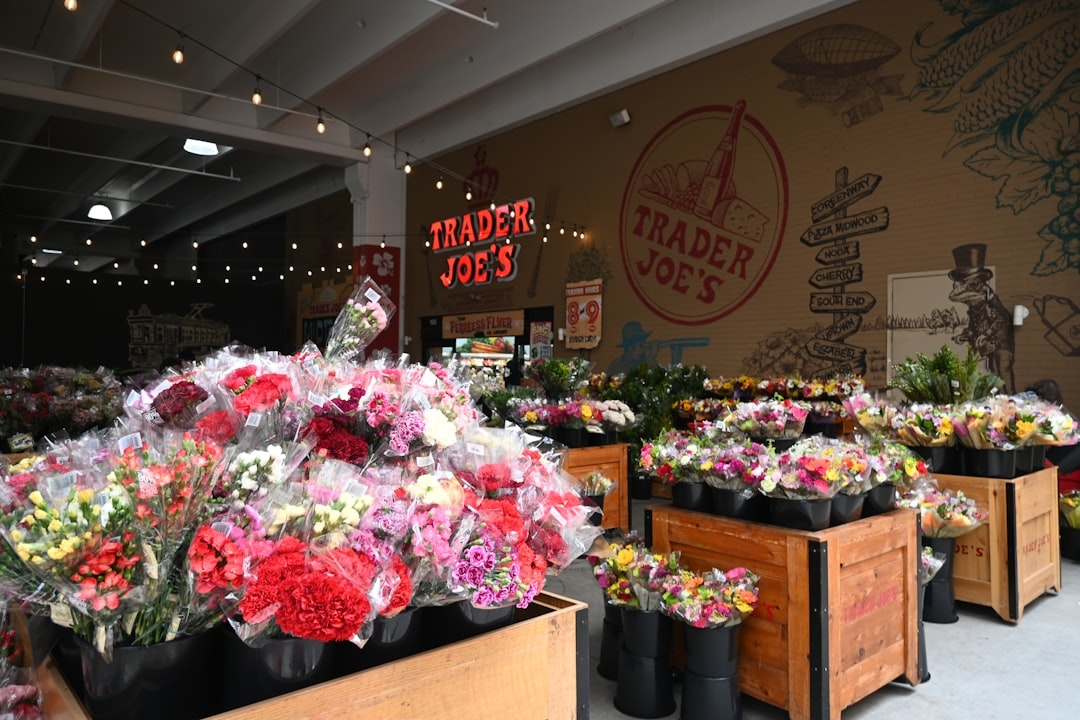
Grocery store flowers, by contrast, may sit at room temperature on the sales floor for several days before purchase. This accelerates aging before the flowers even reach your home. The practical implication: check for freshness before buying. Look for tight or just-opening buds, firm green stems, and no browning at the petal edges. Avoid any bouquet where the flowers are already fully open — they have limited time left regardless of care.
That said, once a grocery store bouquet is in your hands and you apply proper care from the start, the performance gap between supermarket and florist flowers largely disappears. The flowers themselves are often the same variety from the same farms.
Variety-Specific Tips for Common Grocery Store Flowers
Roses
Roses benefit from being re-cut in warm (not hot) water. Remove the guard petals — the outer two or three petals that may look slightly damaged — to reveal fresher inner petals. Roses are also highly sensitive to ethylene, so the fruit bowl rule applies especially here.
Lilies
Remove the pollen-bearing anthers as soon as the flowers open. Lily pollen stains fabric and, more relevantly, shortens the flower’s own vase life as it matures. Pinching off the anthers before they open can add one to two extra days to each bloom.
Sunflowers
Sunflowers are thirsty. They consume water faster than most other common grocery store flowers, so check the water level daily and top off as needed. They also prefer slightly warmer water than roses or carnations — room temperature rather than cold.
Carnations and Alstroemeria
These are among the longest-lasting grocery store flowers with minimal intervention. Carnations can reliably last 14 days with clean water and regular re-cutting. Alstroemeria, also called Peruvian lily, can reach 21 days. If longevity matters more than variety, these are your best value picks.
Practical Tips to Maximize Vase Life
- Use a clean vase every time. Residue from previous arrangements harbors bacteria. Wash with hot soapy water before use.
- Fill the vase two-thirds full. Tall flowers like gladioli need deep water; shorter arrangements do fine with less, but err toward more.
- Avoid direct sunlight. Bright indirect light is fine; direct sun heats the water and blooms rapidly.
- Mist tropical flowers. Bird of paradise and anthuriums benefit from occasional light misting on the petals.
- Separate aggressive varieties. Daffodils and narcissus release a sap that shortens the life of other flowers. If mixing, condition daffodils in their own water for 12 hours first before combining.
Frequently Asked Questions
How long do grocery store flowers typically last?
With no special care, most grocery store flowers last 3 to 5 days. With proper trimming, clean water, flower food, and a cool location, the same bouquet can last 7 to 14 days depending on the variety. Carnations and alstroemeria regularly reach two to three weeks.
Does aspirin help flowers last longer?
Aspirin is sometimes recommended as a DIY flower preservative because it lowers water pH, which can improve uptake. However, its effect is modest compared to a complete flower food packet, which also provides sugar and a biocide. Use the included packet when available; aspirin is a reasonable backup but not a full substitute.
Should flower water be cold or warm?
Cool water — around 60°F — is best for most cut flowers. Cold water slows bacterial growth and suits flowers like roses and tulips. Warm water (around 100°F) is used specifically to revive wilting flowers quickly, as it travels up the stem faster. For everyday maintenance, stick with cool water.
Why does my flower water get cloudy so fast?
Cloudy water is caused by bacterial growth, usually accelerated by submerged leaves, a dirty vase, or the absence of a biocide in the water. Strip all leaves below the waterline, use a clean vase, add flower food or a drop of bleach, and change the water every two days to prevent cloudiness.
Can you revive flowers that are already wilting?
Yes, in many cases. Re-cut the stems by one inch at a 45-degree angle, place them in warm water (around 100°F) with fresh flower food, and move the vase to a cool location for two to four hours. Many roses and gerbera daisies will visibly recover. Severely wilted or browning flowers are past the point of recovery.
Getting the Most From Every Bouquet
Grocery store bouquets represent some of the best value in everyday home décor — typically $8 to $20 for an arrangement that, handled correctly, can anchor a room for nearly two weeks. The investment in technique is minimal: a sharp knife, a clean vase, the flower food packet, and a spot away from heat and fruit. That’s genuinely it.
If you want to go further, consider building a small habit around your flowers — a two-minute check every other morning to top off the water, spot any failing stems, and remove spent blooms before they affect the rest. A single wilting flower in an arrangement accelerates ethylene production and pulls down the whole bouquet faster. Removing it promptly can add two or three days to everything else in the vase.
Start with one bouquet, apply these principles consistently, and you’ll have a reliable benchmark for what’s actually possible from a $12 bunch of carnations at your local supermarket. The results tend to be quietly impressive.