How Long Do Roses Last Without Water — And What You Can Do About It
7 min read
Contents:
- Why Roses Struggle Without Water
- How Long Roses Last Without Water: The Real Timeline
- Room Temperature (65–75°F)
- Cool or Refrigerated Conditions (35–55°F)
- Wrapped in Wet Paper Towels
- A Story That Puts This in Perspective
- Practical Tips for Keeping Roses Fresh Without Water
- Before You Transport
- During Transport
- At the Venue
- Common Mistakes to Avoid
- Planning Your Event Around Rose Freshness
- Frequently Asked Questions
- How long can cut roses survive without water at a wedding?
- Can you revive wilted roses that have been without water?
- Do roses last longer in the refrigerator without water?
- How long do roses from a grocery store last without water compared to florist roses?
- What’s the best way to transport roses without water for more than an hour?
You’ve got roses arriving the day before your wedding, or maybe you’re wondering whether those blooms will survive a cross-town drive to the venue. The question of how long roses last without water is one of the most common — and most anxious — things people Google when they’re planning an event around flowers. Good news: the answer is more nuanced than “not long,” and with a little know-how, you have more control than you think.
⚡ Quick Answer
Cut roses can survive 4 to 6 hours without water at room temperature before they start to show visible wilting. In cooler conditions (around 50–55°F), that window extends to 12 to 24 hours. With preparation techniques like sealing stems or wrapping in wet paper towels, some florists push that window to 24–48 hours. Keep reading for the full breakdown.
Why Roses Struggle Without Water
Cut roses are essentially in slow decline from the moment they leave the bush. The stem, which normally pulls water up through tiny vascular tubes called xylem vessels, begins sealing itself off with air bubbles almost immediately after cutting. This process — called air embolism — blocks water uptake even when you do put the stems back in a vase. That’s why re-cutting stems at an angle before re-hydrating is standard florist practice.
Temperature plays a massive role here. At 70°F or above, roses transpire (release moisture through their petals) at a much faster rate. A rose sitting in a warm car loses hydration at roughly twice the speed of one stored in a refrigerator. Humidity matters too — dry indoor air accelerates wilting, while high humidity slows it down.
The variety of rose also makes a difference. Garden roses with dense, layered petals — like David Austin varieties — tend to hold up slightly longer than high-petal-count spray roses. Standard long-stemmed florist roses (typically hybrid teas) fall somewhere in the middle.
How Long Roses Last Without Water: The Real Timeline
Room Temperature (65–75°F)
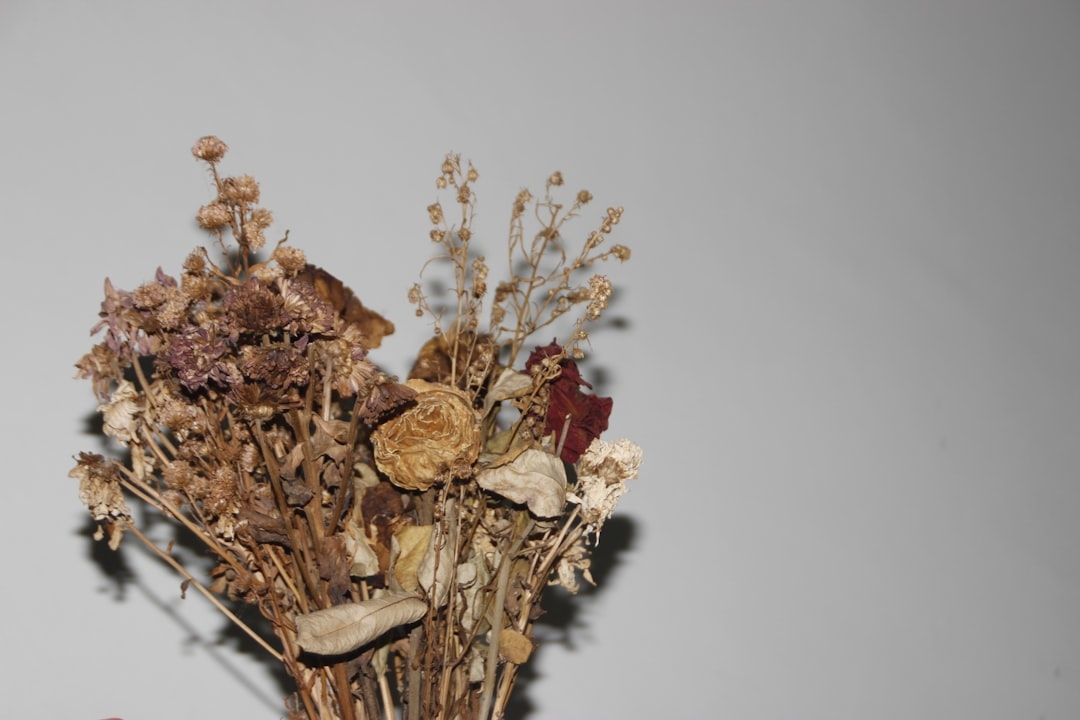
At typical indoor temperatures, an unwrapped rose placed out of water will start visibly drooping within 4 to 6 hours. The outer petals curl and soften first. After 8 to 10 hours, most roses are too far gone to fully recover — even if you put them back in water, the petals may have sustained cell damage that causes browning at the edges.
Cool or Refrigerated Conditions (35–55°F)
This is where things get interesting for event planners. Florists store roses at around 34–38°F, which can extend out-of-water survival to up to 24 hours — sometimes longer for fresh, well-hydrated stems. If you have access to a cool room or a flower-friendly refrigerator (not a standard food fridge set below 34°F, which can cause cold damage), this is your best tool for buying time.
Wrapped in Wet Paper Towels
Many florists and event stylists use a simple trick: wrap the cut ends of the stems in wet paper towels, then seal them in plastic wrap. This creates a micro-humid environment around the stem base and can extend viability by an additional 6 to 12 hours. Pair this with cool storage and you can comfortably bridge a 24-hour gap without a vase.
A Story That Puts This in Perspective
One bride — let’s call her Mara — ordered her wedding flowers from a wholesale supplier to save costs. The roses arrived on Friday morning for a Saturday afternoon ceremony. Mara had no flower cooler, just a cool basement and a lot of nerves. She wrapped the stems in wet newspaper (florist trick), stood them loosely in cardboard boxes, and kept the basement at around 58°F with a fan running to manage humidity. Saturday morning, 22 hours later, the roses were pristine. She re-cut the stems, placed them in vases with flower preservative, and had gorgeous centerpieces by noon.
The lesson? Preparation and cool temperatures matter far more than most people realize. You don’t need professional equipment — you need a plan.
Practical Tips for Keeping Roses Fresh Without Water
Before You Transport
- Re-cut stems at a 45-degree angle — use sharp scissors or a knife, never crush the stem.
- Strip lower leaves that would otherwise sit in or near the wrapping; they accelerate bacterial growth.
- Hydrate fully first — roses that have been in water for at least 8 hours before going dry hold up significantly better than freshly cut ones.
- Use a hydration spray (available at most craft stores for around $8–$12) on the petals during transport.
During Transport
- Keep roses out of direct sunlight — even a 10-minute sun exposure in a hot car raises petal temperature dramatically.
- Lay stems flat if transporting in a box, or stand them upright in a bucket with just a few inches of water if your vehicle allows.
- Run the air conditioning. A car interior at 90°F in summer can wilt roses in under 2 hours.
At the Venue
- Get roses into water as quickly as possible after arrival — re-cut the stems again before placing them in vases.
- Use a commercial flower food packet (like Floralife) mixed into the vase water. These contain a biocide, sugar, and acidifier that can extend vase life by 2–3 days.
- Keep arrangements away from heating or AC vents, direct sunlight, and fruit bowls (ethylene gas from ripening fruit accelerates petal drop).
Common Mistakes to Avoid
- Putting roses in a standard food refrigerator without checking the temperature. Most food fridges run at 35–38°F, which is fine — but some dip lower and can frost-damage petals within hours.
- Leaving stems in standing water without changing it. Bacteria multiply fast in warm, stagnant water and block stem uptake. Change the water every 24 hours.
- Sealing roses in an airtight bag. This traps ethylene gas and accelerates aging. Use breathable wrapping instead.
- Misting petals excessively. Light misting on petals is fine, but soaking them encourages botrytis (gray mold), especially in humid climates.
- Assuming florist roses and grocery store roses behave the same. Grocery store roses are often several days older than those from a florist and have a shorter out-of-water window as a result.
Planning Your Event Around Rose Freshness
If you’re sourcing roses for a wedding, shower, or corporate event, the delivery timing matters as much as the flowers themselves. Most professional florists recommend receiving roses 2 days before the event — this gives time for any closed buds to open and for the flowers to fully hydrate. If you’re ordering wholesale or direct-ship roses (popular options like FiftyFlowers or The Bouqs ship direct to consumers), budget for this conditioning window.
For DIY arrangements, a practical rule of thumb: never let your roses go more than 6 hours without water unless they’re in cool storage. For bouquets that will be carried or displayed out of water during a ceremony, keep that window under 4 hours for peak appearance. Most wedding ceremonies run 30–60 minutes, well inside the safe zone — but photos that run long in the summer heat can push you toward that limit.
Frequently Asked Questions
How long can cut roses survive without water at a wedding?
A bridal bouquet can safely be out of water for 3 to 5 hours in moderate temperatures (65–72°F). For longer ceremonies or summer outdoor events, store bouquets in water until the last possible moment and keep them in a cool, shaded area when not in use.
Can you revive wilted roses that have been without water?
Yes, in many cases. Submerge the entire stem (and even the flower head) in cool water for 30 to 60 minutes, then re-cut the stem and place in fresh water with flower food. Roses wilted for fewer than 8 hours typically recover well. Those left dry for 12+ hours may recover partially but often show petal damage.
Do roses last longer in the refrigerator without water?
Yes. A refrigerator set between 34–38°F significantly slows transpiration and bacterial activity, extending out-of-water survival from a few hours to potentially 18–24 hours. Wrap stems in damp paper towels and keep away from fruits and vegetables.
How long do roses from a grocery store last without water compared to florist roses?
Grocery store roses are typically 3 to 5 days older when you buy them and have a correspondingly shorter out-of-water window — often just 2 to 4 hours at room temperature. Florist roses, sourced more recently and stored properly, can last 4 to 6 hours or more under the same conditions.
What’s the best way to transport roses without water for more than an hour?
Wrap stem ends in wet paper towels sealed with plastic wrap, keep the car cool with air conditioning, avoid direct sunlight, and store roses lying flat in a box lined with tissue. Re-cut stems and place in water immediately upon arrival at your destination.
Whether you’re styling centerpieces yourself or just want to make sure your florist delivery survives the weekend, timing your rose care correctly makes a measurable difference. The 4 to 6 hour out-of-water window at room temperature is your baseline — everything else is about extending it through temperature, preparation, and smart logistics. Your next step: map out your event timeline and identify the longest gap between water sources. That’s where you focus your energy.