Should You Send Flowers to Someone Who Doesn’t Like Flowers?
6 min read
Contents:
- Why Some People Simply Don’t Want Flowers
- Flowers vs. Potted Plants: The Commonly Confused Alternative
- Regional Etiquette Around Flower Gifting
- When Sending Flowers Anyway Is Actually Fine
- Better Gift Ideas for the Non-Flower Person
- Practical Tips for Navigating the Decision
- Ask Without Making It Awkward
- Go Dried If You’re on the Fence
- Match the Occasion’s Weight
- FAQ: Flowers for a Non Flower Person
- Is it rude to send flowers to someone who doesn’t like them?
- What’s the best flower alternative for someone who doesn’t like fresh flowers?
- Are there flowers that even non-flower people tend to like?
- What if I already sent flowers and realized too late they don’t like them?
- Do flowers make a good corporate gift for someone who doesn’t like flowers?
- Make Your Next Gift Actually Land
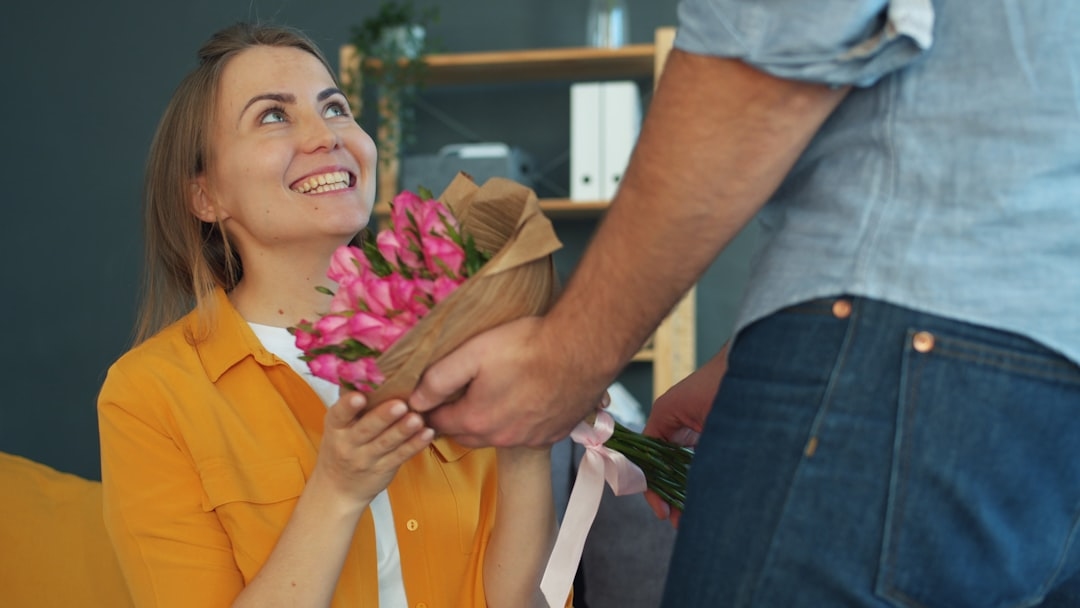
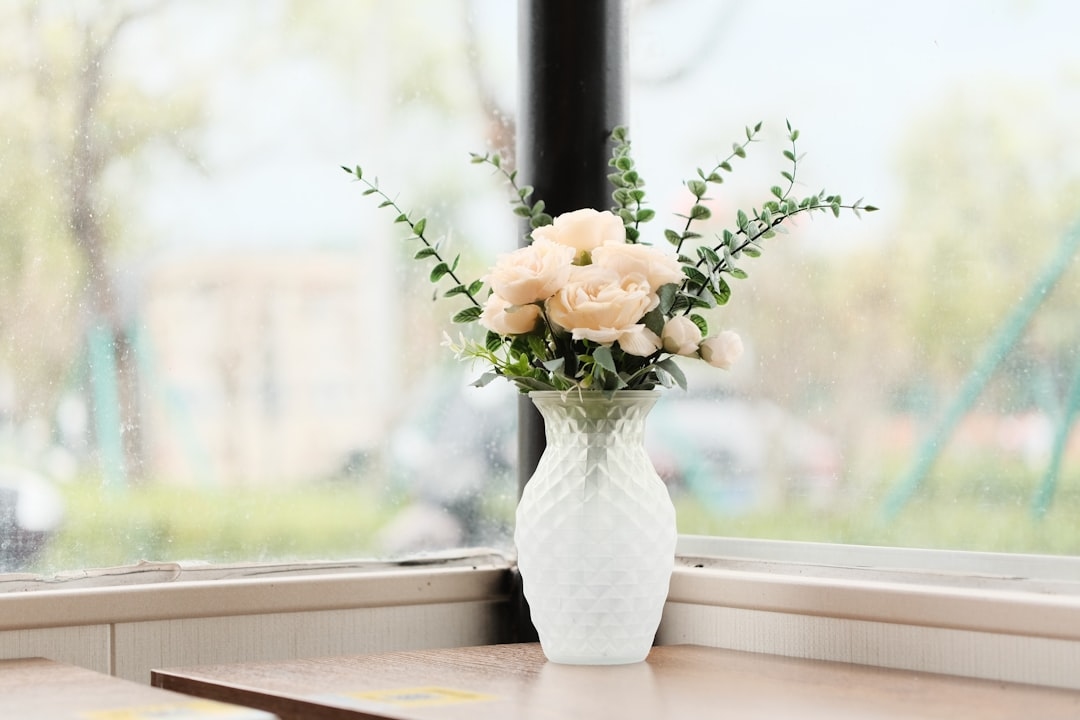
You spot a stunning arrangement at the florist — lush peonies, eucalyptus sprigs, the works. Your friend’s birthday is tomorrow. Your finger hovers over “Add to Cart.” Then you remember: she’s told you at least twice that fresh flowers make her anxious. All that tending, the wilting, the guilt when they die. You pause. You buy them anyway because, well, what else do you send?
Sound familiar? Gifting flowers for a non flower person is one of those quiet social dilemmas that almost nobody talks about openly — but nearly everyone has faced. This guide breaks down when to send them anyway, when to pivot completely, and how to make either choice feel genuinely thoughtful.
Why Some People Simply Don’t Want Flowers
It’s easy to assume that disliking flowers is an oddity. But the reasons are surprisingly practical. Allergies affect roughly 25 million Americans, and many common cut flowers — lilies, chrysanthemums, daisies — are high-pollen offenders. Beyond allergies, some people live in small apartments with no counter space, own pets (lilies are toxic to cats), travel frequently, or simply feel stressed by anything that needs care and will eventually die.
Others have a more aesthetic objection. Traditional bouquets can read as impersonal — the default gift when someone couldn’t think of something better. That perception, fair or not, sticks.
Flowers vs. Potted Plants: The Commonly Confused Alternative
Here’s where a lot of well-meaning gifters go wrong: assuming a potted plant is the same as flowers, just longer-lasting. It isn’t. A potted plant is a commitment. A cut flower bouquet is a moment. If someone dislikes the responsibility of fresh flowers, handing them a fiddle-leaf fig or a peace lily in a terracotta pot may actually feel like more of a burden — not less.
That said, low-maintenance succulents or air plants can genuinely work for the right person. The key question to ask yourself: does this person enjoy nurturing living things, or do they prefer gifts that require nothing from them? That single distinction will steer you better than any flower guide ever could.
Regional Etiquette Around Flower Gifting
Gifting culture around flowers varies more than people realize across the US. In the South, sending flowers — especially for condolences, birthdays, or hostess gifts — remains a deeply ingrained social norm. Showing up to a Southern dinner party without some kind of floral gesture can read as a slight, even in 2026.
On the West Coast, and particularly in cities like Portland and Seattle, there’s a stronger lean toward experiential or artisan gifts: locally roasted coffee, botanical candles, or a subscription box. Flowers feel less obligatory there. In the Northeast, especially New York, practicality rules — a nice plant for a stoop or a small herb garden kit often lands better than a vase of roses that’ll crowd a studio apartment.
Knowing your recipient’s cultural background matters too. In many East Asian and Eastern European traditions, specific flowers carry heavy symbolic weight — yellow flowers in some cultures signal farewell or mourning, for instance. When in doubt, ask someone who knows them well.
When Sending Flowers Anyway Is Actually Fine
Sometimes the gesture outweighs the preference. Funerals, hospital rooms, and major celebrations are contexts where flowers carry cultural weight that transcends personal taste. If someone loses a parent, a $65 sympathy arrangement sent to their home says “I’m thinking of you” in a way that a text simply can’t replicate.
A reader named Jen from Columbus shared this: “My coworker hates flowers — she’s said it in meetings. But when her mom passed, I still sent a simple white arrangement. She thanked me and said it was the one thing that made the house feel less empty for a few days. Context changed everything.”
The rule of thumb: in grief or major milestone moments, send flowers unless you know of a specific allergy or logistical barrier. In everyday gifting — birthdays, thank-yous, just-because — follow their known preferences without exception.
Better Gift Ideas for the Non-Flower Person
If you’ve decided flowers aren’t the right call, here are concrete alternatives that land well across different budgets:
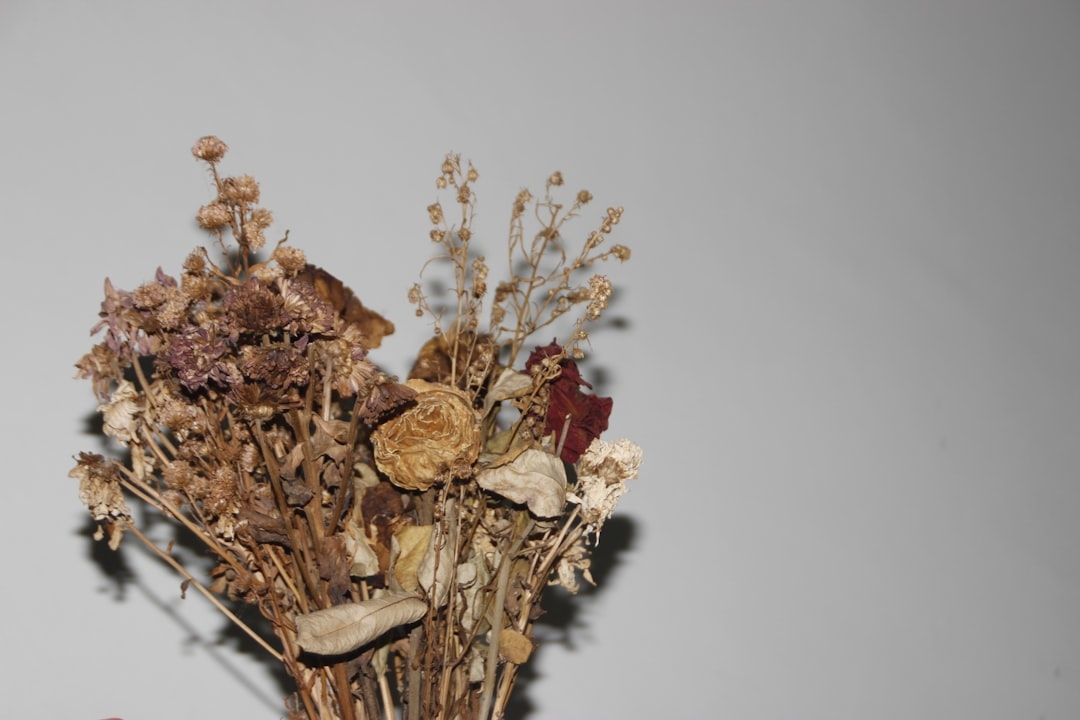
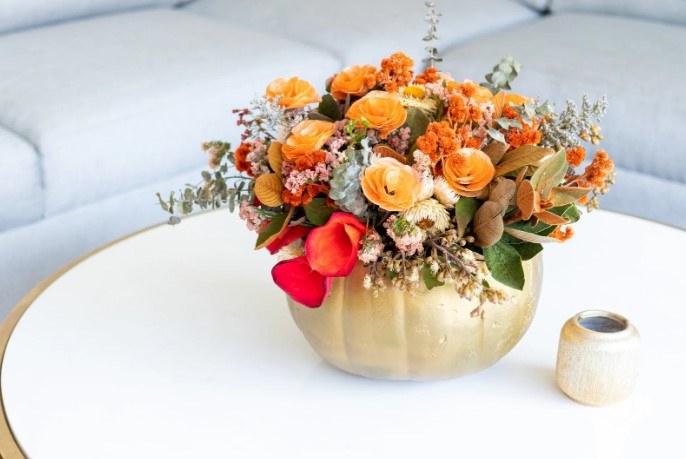
- Dried or preserved arrangements ($30–$80): No maintenance, no wilting, genuinely beautiful. Pampas grass, dried citrus slices, and preserved roses have become mainstays in modern home décor.
- Botanical candles ($20–$55): Brands like P.F. Candle Co. or Otherland offer scents tied to floral notes without any actual flowers involved.
- A curated snack or charcuterie box ($40–$120): Universally appreciated, zero guilt when it’s gone.
- A local experience ($50–$150): A flower-arranging class, cooking class, or spa voucher — something they’d never book for themselves.
- A donation in their name: For the deeply practical person, a $25–$50 donation to a cause they care about with a handwritten note can be more meaningful than any object.
Practical Tips for Navigating the Decision
Ask Without Making It Awkward
A simple “Are you into flowers or would you rather I do something else?” sent casually over text weeks before an occasion reads as thoughtful, not cheap. Most people appreciate being asked.
Go Dried If You’re on the Fence
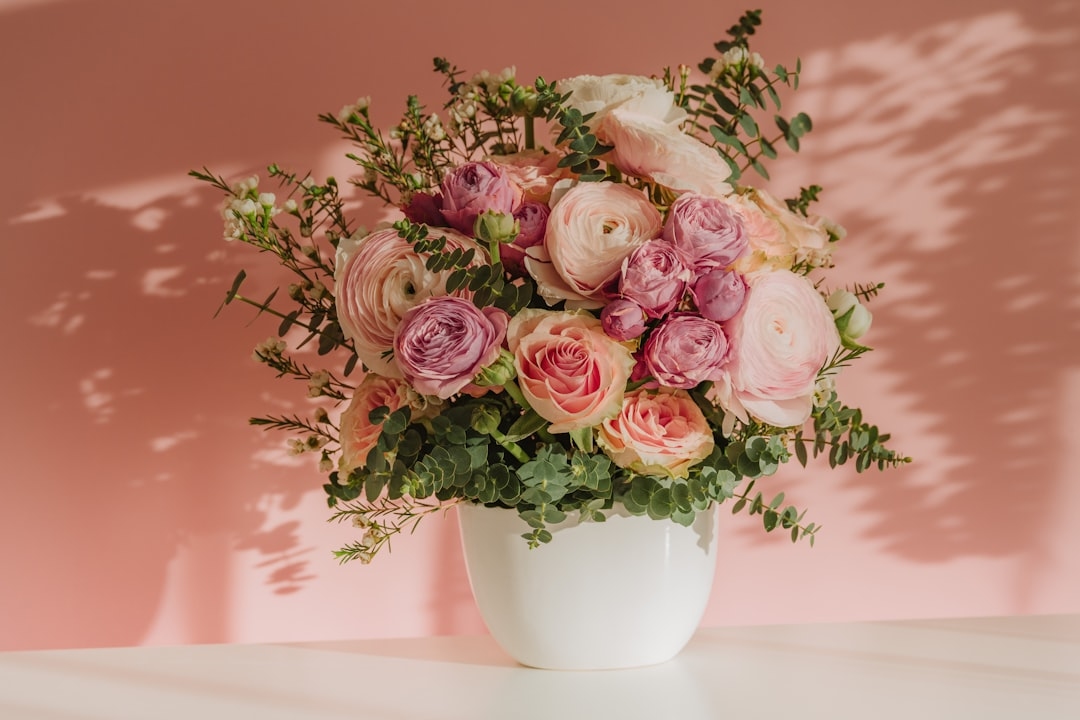
Dried flower arrangements sidestep nearly every objection — no allergens, no maintenance, no guilt, and they photograph beautifully for the Instagram-inclined recipient. Prices have dropped significantly; you can find quality dried bouquets on Etsy for $35–$55 shipped.
Match the Occasion’s Weight
A birthday gift should reflect personality. A condolence or congratulations gift can follow convention even if it slightly overrides preference. The heavier the moment, the more traditional the gesture can afford to be.
FAQ: Flowers for a Non Flower Person
Is it rude to send flowers to someone who doesn’t like them?
Not necessarily rude, but it can feel tone-deaf if they’ve clearly expressed their preference. For everyday occasions, respecting their taste is the more thoughtful move. For grief or major milestones, flowers carry enough cultural weight that most people appreciate them regardless.
What’s the best flower alternative for someone who doesn’t like fresh flowers?
Dried or preserved arrangements are the closest substitute — they look similar but require no maintenance and last for months. For a completely different approach, artisan candles, gourmet food boxes, or local experience vouchers are consistently well-received alternatives.
Are there flowers that even non-flower people tend to like?
Single-stem flowers (one perfect sunflower, one garden rose) tend to feel less overwhelming than full bouquets. Succulent arrangements are also popular with people who normally avoid flowers, as they feel more like décor than a perishable gift.
What if I already sent flowers and realized too late they don’t like them?
Acknowledge it with a light follow-up — “I realized too late you’re not a flower person, sorry about that!” — and file it away for next time. Most people appreciate the self-awareness far more than they’re bothered by the original misstep.
Do flowers make a good corporate gift for someone who doesn’t like flowers?
Generally no. In a professional context, defaulting to flowers when someone has a known preference otherwise can feel especially impersonal. A quality food gift, branded experience, or charitable donation tends to hit better in workplace gifting scenarios.
Make Your Next Gift Actually Land
Choosing the right gift for a non flower person isn’t about abandoning a tradition — it’s about paying enough attention to know when that tradition serves the person and when it doesn’t. The thoughtfulness is in the noticing, not the object itself.
Start small: next time you’re about to default to a bouquet, spend 90 seconds thinking about what that person actually collects, consumes, or talks about. That’s where the real gift lives. And if you’re genuinely stuck, dried botanicals are your safest creative bet — beautiful, lasting, and almost universally appreciated even by the most dedicated flower skeptics.