How to Ship Flowers to Another State Without Them Arriving Half-Dead
8 min read
Contents:
- Why Shipping Flowers Across State Lines Is Trickier Than It Looks
- Choosing the Right Method to Ship Flowers to Another State
- Use a National Florist Network (FTD, Teleflora, 1-800-Flowers)
- Ship Direct from a Farm or Premium Online Florist
- Ship It Yourself via FedEx or UPS Overnight
- How to Package Flowers for Shipping (The Right Way)
- Timing Your Shipment: Days and Seasons Matter
- Regional Differences That Affect Flower Shipping
- Cost Breakdown: What to Expect to Spend
- FAQ: Shipping Flowers to Another State
- Can you ship flowers through USPS to another state?
- How long do flowers last when shipped overnight?
- What flowers ship best across state lines?
- Is it cheaper to use a florist network or ship directly?
- Can I ship flowers in my checked luggage on a plane?
- Before You Send: A Quick Pre-Ship Checklist
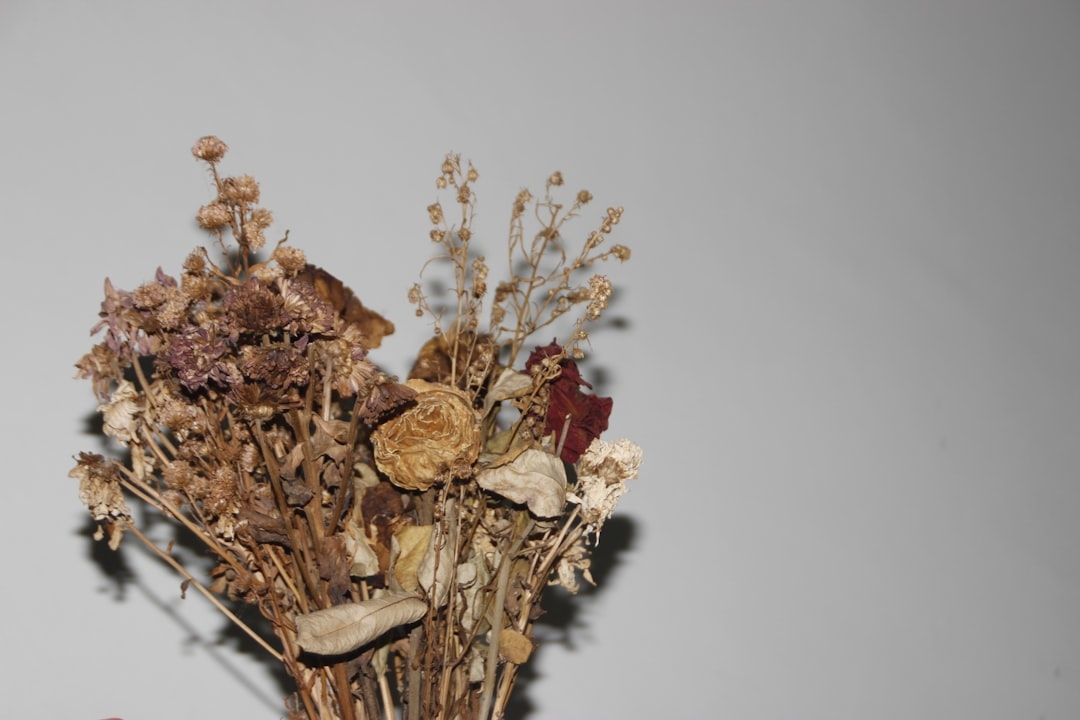
You ordered a gorgeous bouquet for your mom’s birthday in Georgia. You’re in Seattle. You spent real money on those flowers — ranunculus, garden roses, the works — and they showed up three days later looking like they’d been through a drought. It’s one of those small disasters that feels completely avoidable in hindsight. And it is. Shipping flowers across state lines isn’t complicated once you understand how flowers actually travel and what kills them in transit.
This guide covers everything you need to know to ship flowers another state — whether you’re sending them yourself or choosing the right service to do it for you.
Why Shipping Flowers Across State Lines Is Trickier Than It Looks
Flowers are living things with a surprisingly short window of peak beauty. Most cut flowers last 7–14 days under ideal conditions: cool temperatures (34–38°F), high humidity, and no ethylene gas exposure. The moment they leave a florist’s cooler, that clock starts ticking faster.
Interstate shipping adds variables that a local delivery never has to deal with: multiple handling stages, temperature fluctuations in cargo holds, and transit times that can stretch from 24 hours to 4 days depending on carrier and destination. That’s the core challenge. The solution isn’t magic — it’s planning.
Choosing the Right Method to Ship Flowers to Another State
There are three main approaches, and each suits a different situation.
1. Use a National Florist Network (FTD, Teleflora, 1-800-Flowers)
These services work by connecting you to a local florist near your recipient. You order online, they fulfill it locally. The big advantage: no transit time for the flowers themselves. The local florist delivers fresh-cut stems that haven’t sat in a box for two days.
The tradeoff is quality control. The arrangement you see in the photo is built by a third-party florist, and the actual product can vary significantly. Reviews on specific zip codes matter here — a Miami-based 1-800-Flowers partner might be excellent while a rural one might be underwhelming. Check location-specific reviews before committing.
2. Ship Direct from a Farm or Premium Online Florist
Companies like The Bouqs Co., Bloomsybox, UrbanStems, and Floracracy ship directly from farms — often in Ecuador, Colombia, or California’s Central Valley. These flowers are typically “bud-shipped,” meaning they arrive slightly closed and bloom over 2–3 days. That’s not a defect. It’s intentional — bloomed flowers don’t survive shipping well.
Expect to pay $50–$120 for a mid-range farm-direct bouquet, including shipping. FedEx overnight shipping of flowers alone can cost $25–$45, so these services often bundle it more efficiently than DIY.
3. Ship It Yourself via FedEx or UPS Overnight
This is the right move if you’re a florist, a flower farmer, or someone who has access to wholesale blooms and wants full control. FedEx Priority Overnight and UPS Next Day Air are the two industry-standard carriers for perishable florals. USPS is not recommended — their temperature-controlled options are limited and transit times are unreliable for live plants.
Always choose overnight or, at most, 2-day air. Ground shipping flowers to another state is a gamble almost nobody wins.
How to Package Flowers for Shipping (The Right Way)
Packaging is where most DIY flower shipments go wrong. Here’s the method professional flower farmers use:
- Start with a sturdy corrugated box — at least 200 lb burst strength. Single-wall boxes often collapse under the weight of ice packs or other packages stacked on top.
- Wrap stems in wet paper towels, then seal them in a plastic bag. The goal is to keep stems hydrated without soaking the blooms.
- Use gel ice packs, not loose ice. Loose ice melts and creates water damage. Gel packs maintain cold for 24–36 hours and stay contained.
- Wrap blooms in dry newspaper or tissue paper to protect petals from physical damage and condensation.
- Fill all empty space with crumpled paper or foam. Flowers need to be immobile inside the box — any shifting causes bruising.
- Mark the box clearly: “LIVE PLANTS – PERISHABLE – THIS SIDE UP” on all four sides. Handlers do pay attention to this.
Target internal box temperature: 34–45°F throughout transit. One gel pack per 12-hour segment of shipping time is a reasonable rule of thumb.
⚑ What the Pros Know: Commercial flower shippers often use a trick called “pre-cooling” — they refrigerate the entire packed box (flowers inside, box sealed) for 2–4 hours before drop-off. This brings the cardboard and packing materials to temperature, so the ice packs aren’t fighting to cool the box itself during the first leg of transit. It adds 30–45 minutes to your day, but it can extend bloom life by an entire day.
Timing Your Shipment: Days and Seasons Matter
Ship flowers to arrive on Tuesday through Thursday. Monday arrivals mean shipping over the weekend, when many facilities have reduced staffing and packages sit longer. Friday arrivals risk a 3-day hold if anything goes wrong — flowers left in a warm facility over a weekend rarely survive.
Avoid shipping during heat waves or cold snaps without adjusting your packing accordingly. In winter, a heat pack (the same kind used for reptile shipping) can replace or supplement ice packs. In summer, two gel packs instead of one is a reasonable upgrade.
Holidays are the most dangerous time to ship flowers. Valentine’s Day and Mother’s Day create carrier volume surges that delay even overnight packages. If you’re sending for a major floral holiday, ship 2 days earlier than you think you need to, or use a local-fulfillment network instead.
Regional Differences That Affect Flower Shipping
Geography changes the equation more than most people expect when you ship flowers to another state.
The Northeast has dense urban infrastructure, which means faster last-mile delivery in cities like Boston, New York, and Philadelphia. But older apartment buildings without doormen create failed-delivery problems — flowers left in summer heat on a stoop for 6 hours is a write-off. Always include recipient phone numbers so carriers can arrange access or timing.
The South is the hardest region for flower shipping in summer. Cities like Houston, Atlanta, and New Orleans regularly see ground temperatures above 90°F from May through September. Overnight air is non-negotiable here — 2-day shipping in August to Texas is a coin flip at best. Budget for premium packaging: two gel packs minimum, and consider an insulated liner inside your box.
The West Coast — particularly California, Oregon, and Washington — is the most flower-friendly destination. Mild coastal temperatures, proximity to major flower-growing operations in the Central Valley, and strong infrastructure make it the most forgiving region for shipping. Farm-direct services often have shorter transit times here because origin points are geographically closer.
Rural destinations in any region add a full day of transit as packages route through a regional hub before reaching a local carrier. If you’re sending to a small town in Montana or rural Mississippi, always add a buffer day.
Cost Breakdown: What to Expect to Spend
- Farm-direct bouquet services: $45–$130 total, shipping often included or flat-rated at $15–$20
- Local florist network orders: $50–$150 for the arrangement; delivery fees typically $10–$20
- DIY overnight shipping via FedEx/UPS: $30–$60 for shipping alone, plus flowers and packaging materials
- Same-day local delivery apps (Bloom, Postmates floral): Limited to major metro areas; $15–$35 delivery fee
The cheapest option is rarely the smartest one for flowers. A $15 savings on shipping method often costs you the $60 arrangement.
FAQ: Shipping Flowers to Another State
Can you ship flowers through USPS to another state?
Technically yes, but it’s not recommended for cut flowers. USPS does not guarantee temperature-controlled handling, and Priority Mail transit times (2–3 days) are too long for most cut flowers. USPS is better suited for dried flowers, preserved arrangements, or seeds.
How long do flowers last when shipped overnight?
With proper hydration, cool packing, and overnight shipping, most cut flowers arrive in excellent condition and last an additional 5–10 days after delivery. Hardier varieties like carnations, alstroemerias, and chrysanthemums hold up especially well. Delicate flowers like gardenias or lily of the valley are poor candidates for shipping.
What flowers ship best across state lines?
Roses, sunflowers, alstroemerias, carnations, lisianthus, and tropical stems like protea and anthuriums all travel well. Avoid shipping gardenias, lily of the valley, sweet peas, or open peonies — they bruise easily or are highly sensitive to ethylene and temperature shifts.
Is it cheaper to use a florist network or ship directly?
Florist networks are often more cost-effective because local delivery is cheaper than air freight. Farm-direct services can offer better flower quality at a similar price point. The best value depends on your recipient’s location — urban areas favor local networks; remote locations often do better with farm-direct air shipping.
Can I ship flowers in my checked luggage on a plane?
Yes, and this is actually an underrated option for special occasions. Pack them in a hard-sided case with damp paper towels and a small cold pack. Most cut flowers survive a 3–5 hour flight easily. Check TSA rules on gel packs (under 3.4 oz for carry-on; larger gel packs are fine in checked bags). Just re-cut stems and hydrate immediately on arrival.
Before You Send: A Quick Pre-Ship Checklist
- ✔ Recipient will be home (or someone can receive them) on arrival day
- ✔ Shipping method is overnight or 2-day air — not ground
- ✔ Flowers were conditioned in water for at least 4 hours before packing
- ✔ Box is fully insulated, flowers are immobilized, gel packs are frozen solid
- ✔ Shipment is not scheduled to arrive on a Monday or Friday
- ✔ You’ve added your recipient’s phone number to the delivery instructions
Shipping flowers another state isn’t a gamble when you control the variables. Pick your carrier carefully, pack like a professional, and time the delivery around your recipient’s schedule — not just the occasion date. The extra 20 minutes of planning is the difference between a stunning doorstep surprise and an apology text.