How Much Does a Florist Charge for a Wedding Bouquet?
7 min read
Contents:
- The Baseline: What Most Couples Actually Spend
- Bouquet Style and Its Effect on Price
- What Drives Florist Wedding Bouquet Cost: A Closer Look
- Flower Varieties and Their Price Impact
- Bridesmaids and Additional Bouquets: The Full Floral Picture
- How to Compare Florist Quotes Fairly
- Questions to Ask Every Florist
- Practical Ways to Reduce Florist Wedding Bouquet Cost
- When DIY Makes Sense (And When It Doesn’t)
- FAQ: Wedding Bouquet Pricing
- What is the average cost of a bridal bouquet in the US?
- Why do florists charge so much for wedding flowers?
- How can I save money on my wedding bouquet without it looking cheap?
- Do florists charge extra for peonies and other premium flowers?
- Should I tip my wedding florist?
- Making Your Bouquet Budget Work for You
What is a wedding bouquet actually worth — and how much should you expect to pay for one? It’s one of those questions that sounds simple until you start getting quotes.
Florist pricing can feel opaque, even arbitrary. One studio quotes $150 for a bridal bouquet; another quotes $450 for something that looks nearly identical in photos. Understanding what drives those numbers makes the difference between a panicked budget blowout and a confident, informed purchase.
A bridal bouquet from a professional florist typically costs between $150 and $500, with the national average landing around $250–$300. Elaborate all-peony or garden-style cascades can push past $600. Budget bouquets using seasonal, locally grown flowers can come in under $100 if you plan ahead. Florist wedding bouquet cost depends heavily on flower selection, arrangement size, and your location.
The Baseline: What Most Couples Actually Spend
According to wedding industry surveys, couples in the US spend an average of 8–10% of their total floral budget on the bridal bouquet alone. For a mid-range wedding with a $2,000 floral budget, that puts the bouquet somewhere between $160 and $200. But many couples prioritize the bouquet and allocate more — sometimes $300 to $450 — for a showstopper piece.
Geography matters here. A comparable peony-and-garden-rose bouquet that costs $220 in rural Ohio might run $380 in San Francisco or $420 in Manhattan. Labor costs, studio overhead, and local flower market prices all feed into the final number.
Bouquet Style and Its Effect on Price
Style is one of the biggest cost levers. Here’s how common bouquet shapes break down at an average US florist:
- Posy (round, compact): $100–$200. The most economical structure — tight, minimal, structured.
- Garden-style (loose, textural): $180–$350. More labor-intensive. Lots of foliage layering and irregular stems.
- Cascade (waterfall/trailing): $300–$600+. Structurally complex, uses more flowers, requires wire framing and significant build time.
- Minimalist (2–3 focal flowers, greenery): $80–$150. Gaining popularity; elegant and genuinely affordable.
What Drives Florist Wedding Bouquet Cost: A Closer Look
Florists don’t just charge for flowers. They charge for their time, expertise, refrigeration, sourcing relationships, delivery logistics, and the risk of working with perishable goods on a deadline. Breaking down a typical $280 bouquet:
- Flower and foliage materials: ~$80–$110
- Labor (design, construction, conditioning): ~$70–$100
- Studio overhead and markup: ~$40–$60
- Ribbon, pins, stem wrap, waterproofing: ~$10–$20
Florists typically apply a 2.5x to 3.5x markup on wholesale flower costs. That’s not price gouging — it covers the handling and conditioning that keeps flowers fresh through a 10-hour wedding day.
Flower Varieties and Their Price Impact
The species you choose can swing the cost dramatically. Ranunculus and garden roses are mid-range staples. Lily of the valley and gardenias are among the most expensive cuts available — a single stem of lily of the valley can retail at $5–$8. Peonies, while beloved, have a short season (late April through June) and become pricier out of season when sourced internationally.
Contrast that with dahlias (in season late summer through fall), lisianthus, and cosmos — all of which offer a high-end look at a fraction of the price.
“The single biggest mistake I see budget-conscious couples make is falling in love with a flower — usually peonies or lily of the valley — without considering seasonality. I can replicate the look of a peony bouquet using garden roses and ranunculus for about 40% less. The photo result is nearly identical.”
— Clara Beaumont, Certified Floral Designer (AIFD), based in Portland, OR
Bridesmaids and Additional Bouquets: The Full Floral Picture
Most couples don’t stop at a single bouquet. Understanding the full floral cost picture prevents budget shock later.
- Bridesmaid bouquets: $65–$150 each. Typically smaller versions of the bridal bouquet, using the same palette.
- Flower girl basket or petite posy: $35–$75.
- Toss bouquet (a separate, simpler piece): $50–$100. Some florists include this; many don’t — ask explicitly.
- Mother’s corsages or wrist flowers: $35–$65 each.
A wedding party of four bridesmaids, two mothers, and a flower girl could add $450–$750 to your floral invoice on top of the bridal bouquet. Factor this into your per-piece conversations with florists early.
Professional florists order flowers 1–2 weeks in advance from wholesalers. If you’re working with a tight budget, ask your florist about market flowers — whatever is freshest and most available that week at the best wholesale price. Giving your florist creative freedom within a color palette (rather than a specific species list) can reduce your bouquet cost by 20–35% while often producing more natural, lush results.
How to Compare Florist Quotes Fairly
Quotes are not always apples-to-apples. One florist’s $300 bouquet may include delivery, setup, and a toss bouquet. Another’s $250 quote may cover only the bridal piece, with a $75 delivery fee added at checkout. Always ask for an itemized quote.
Questions to Ask Every Florist
- Is delivery and setup included in this price?
- Does the quote include a toss bouquet, or is that extra?
- What is your substitution policy if a flower isn’t available?
- Do you charge a consultation or design fee separately?
- What’s the payment schedule and cancellation policy?
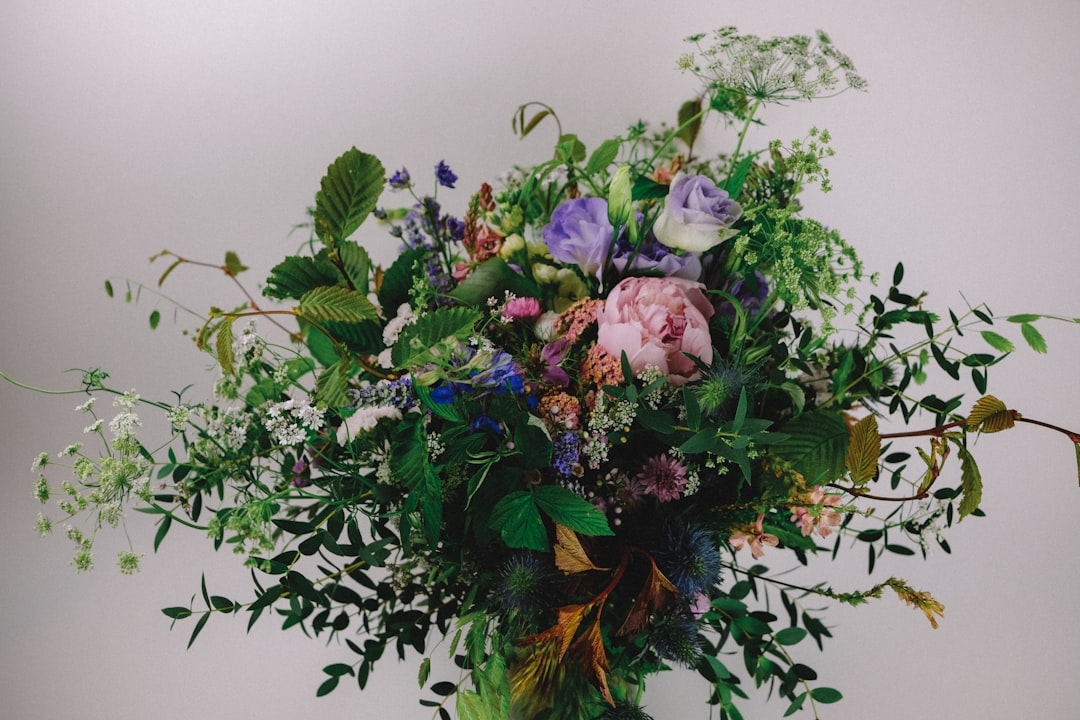
A florist who answers these questions clearly and without hesitation is usually one who has done this many times and respects their clients’ budgets.
Practical Ways to Reduce Florist Wedding Bouquet Cost
There is real money to be saved here without compromising on beauty. These are strategies that experienced wedding planners recommend regularly:
- Book early. Most florists offer their best pricing to clients who book 9–12 months out. Late bookings (under 3 months) often carry a rush premium of 15–25%.
- Choose in-season flowers. A June wedding can lean into peonies without the out-of-season surcharge. An October wedding gets dahlias and cosmos at peak quality and lowest cost.
- Limit the species count. A bouquet built around one or two hero flowers and complementary greenery is often cheaper and more cohesive than a mix of eight varieties.
- Go smaller — intentionally. A 7-inch diameter bouquet versus a 10-inch one can mean 30–40% fewer flowers. It still photographs beautifully.
- Ask about package pricing. Many florists discount bouquets when bundled with ceremony or reception florals. If you’re ordering centerpieces anyway, negotiate.
- Consider local or farm-direct florists. Studios that source from regional farms often have lower material costs and pass some savings along. Search for florists affiliated with Slow Flowers or Local Color Flowers directories.
When DIY Makes Sense (And When It Doesn’t)
DIY bouquets have genuine appeal for budget weddings. Grocery store flowers — particularly Trader Joe’s, Costco, and Whole Foods — have improved significantly in quality. A self-assembled bouquet using $60–$80 in grocery flowers can look polished with the right technique and a structured wrap.
But DIY introduces real risk: wilting, conditioning errors, and the stress of flower prep the day before your wedding. If your wedding is above 50 guests, outdoors in summer heat, or involves a formal aesthetic, the $250 spent on a professional bouquet is almost always worth it. The florist’s conditioning process — hydration, temperature control, and stem treatment — keeps flowers looking camera-ready for 8–12 hours in ways that home prep rarely achieves.
FAQ: Wedding Bouquet Pricing
What is the average cost of a bridal bouquet in the US?
The national average florist wedding bouquet cost for a bridal bouquet is approximately $250–$300. Prices range from $100 for simple, small arrangements to $600 or more for elaborate cascades using premium flowers.
Why do florists charge so much for wedding flowers?
Wedding floristry involves significant labor beyond assembly: sourcing, conditioning, refrigeration, custom design work, and time-sensitive delivery. Florists typically apply a 2.5x–3.5x markup on wholesale flower costs to cover these expenses and business overhead.
How can I save money on my wedding bouquet without it looking cheap?
Choose in-season flowers, limit your species list to 2–3 varieties, give your florist creative flexibility within a color palette, and book early. Opting for a smaller but more intentionally designed bouquet often looks more sophisticated than a large but generic arrangement.
Do florists charge extra for peonies and other premium flowers?
Yes. Peonies, lily of the valley, gardenias, and sweet peas carry higher wholesale costs — especially out of season. A peony-heavy bouquet can cost 40–60% more than a comparable bouquet using garden roses or ranunculus. Ask your florist for look-alike substitutions if peonies are out of your budget.
Should I tip my wedding florist?
Tipping is not required but is appreciated for exceptional work. A tip of $50–$100 for the lead florist on a full wedding is a common benchmark. If a team delivered and set up your florals, $20–$30 per crew member is a thoughtful gesture.
Making Your Bouquet Budget Work for You
The most useful thing you can do before meeting with any florist is to define your non-negotiables. Is the bridal bouquet the one floral element you want to be truly spectacular? Then protect that budget line and economize elsewhere — on bridesmaid bouquets, centerpieces, or ceremony arch flowers. Florists work with constrained budgets every week. The ones worth hiring will tell you exactly what’s achievable within your number, and what trade-offs you’ll be making.
Request consultations from at least three local florists. Bring a clear color palette, two or three inspiration images, and a specific number: “My bouquet budget is $280. What can you do with that?” A direct conversation like that will tell you more about a florist’s skill and honesty than any portfolio photo ever will.