How to Dry Flowers from a Funeral: A Complete Preservation Guide
8 min read
Contents:
- Why Preserving Memorial Flowers Matters
- How to Dry Funeral Flowers: The Three Core Methods
- Method 1: Air Drying — The No-Cost Classic
- Method 2: Silica Gel — The Professional’s Choice
- Method 3: Pressing — Flat, Frameable, and Beautiful
- Which Method Is Right for Your Flowers?
- Timing: When to Start Drying
- Eco-Friendly Considerations
- Displaying and Storing Dried Funeral Flowers
- Frequently Asked Questions About Drying Funeral Flowers
- How long does it take to dry funeral flowers?
- Can you dry funeral flowers that have already wilted?
- What is the cheapest way to dry funeral flowers?
- How do you keep dried flowers from falling apart?
- Can you turn dried funeral flowers into something else?
- What to Do With the Preserved Flowers
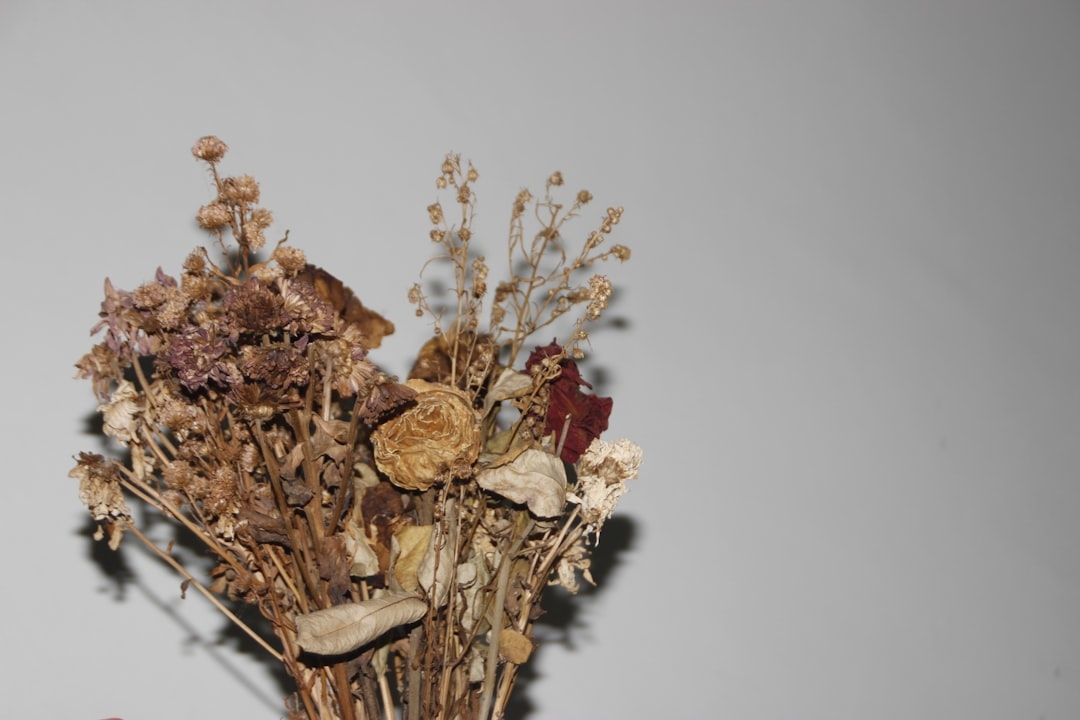
Flowers begin losing moisture within hours of being cut — and yet, with the right technique, a rose from a funeral arrangement can hold its shape and color for decades. Preservation isn’t about stopping time. It’s about honoring it. Whether the bouquet came from a graveside service or a memorial display, drying funeral flowers transforms something temporary into a lasting keepsake you can keep on a shelf, frame on a wall, or tuck into a memory box.
This guide walks through every practical method, what works best for specific flower types, and how to do it affordably — without sacrificing the result.
Why Preserving Memorial Flowers Matters
Grief has a physical quality to it. Objects tied to loss carry emotional weight that photographs sometimes can’t replicate. A dried stem from a funeral arrangement is tangible — something you can hold, place on a dresser, or pass down.
Florists and grief counselors have long noted that preservation rituals can be a meaningful part of mourning. There’s no clinical study required to validate what many already feel: keeping something from the service helps. It grounds the memory in something real.
Practically speaking, funeral flowers are also expensive. The average funeral floral arrangement in the United States costs between $150 and $350. Preserving those blooms extends that investment and gives them a second life.
How to Dry Funeral Flowers: The Three Core Methods
Each method suits different flower types, budgets, and desired outcomes. Here’s a breakdown of all three, with specific timing and material recommendations.
Method 1: Air Drying — The No-Cost Classic
Air drying is the oldest preservation method and requires almost no supplies. It works best for sturdy blooms: roses, lavender, statice, baby’s breath, and globe amaranth hold their structure well. Delicate petals — like those on gardenias or lilies — tend to shrivel or brown.
How to do it:
- Remove any foliage from the lower two-thirds of each stem. Leaves trap moisture and encourage mold.
- Group stems loosely — no more than 5 to 7 per bundle. Overcrowding restricts airflow.
- Tie with a rubber band (not string — rubber bands tighten as stems shrink).
- Hang upside down in a warm, dark, well-ventilated space. A closet, garage, or attic works well.
- Wait 2 to 3 weeks. Check after 10 days. Petals should feel papery and completely dry before removing.
Darkness matters. UV light bleaches color. A bouquet dried in a sunny window will look washed out within days. Hang in shadow and the colors — even deep reds and purples — stay surprisingly vivid.
Cost to get started: $0, if you have rubber bands and a dark spot to use.
Method 2: Silica Gel — The Professional’s Choice
Silica gel is a desiccant — a moisture-absorbing compound — that pulls water out of petals while cradling them in their natural shape. It’s the method florists and botanical artists use when they want preserved flowers that look almost fresh.
How to do it:
- Pour a 1-inch layer of silica gel crystals into an airtight container (a plastic storage bin with a lid works perfectly).
- Trim flower stems to about 1 inch. Place blooms face-up on the gel layer.
- Gently pour more silica gel around and over each bloom, supporting petals as you go. Fully submerge each flower.
- Seal the container and leave undisturbed for 3 to 7 days, depending on flower density. Roses typically take 5 to 6 days. Thinner flowers like daisies finish in 3.
- Carefully pour off the gel and lift blooms out with a soft brush. Dust away remaining crystals gently.
A 5-pound container of silica gel costs between $12 and $18 at craft stores like Hobby Lobby or Michael’s — and the gel is reusable. Spread it on a baking sheet and warm in a 250°F oven for 1 hour to reactivate it. One purchase can last years.
Method 3: Pressing — Flat, Frameable, and Beautiful
Pressing is ideal for flat-petaled flowers: pansies, daisies, Queen Anne’s lace, cosmos, and individual rose petals. It’s also the most sustainable option, as it requires nothing beyond paper and weight.
How to do it:
- Place flowers between two sheets of plain white copy paper or parchment paper. Avoid newspaper — the ink can transfer.
- Layer inside a heavy book (a thick hardcover dictionary or encyclopedia works well). Add additional books on top for pressure.
- Change the paper every 3 to 4 days for the first two weeks to wick away moisture. This step prevents mold and brown spotting.
- Leave for a total of 2 to 4 weeks. Thicker flowers need the full four weeks.
Pressed flowers can be arranged under glass in a frame, incorporated into a shadow box, or used to decorate a memorial journal or card. A simple 8×10 frame from a craft store costs $5 to $12 and turns pressed blooms into wall art that lasts indefinitely.
Which Method Is Right for Your Flowers?
Not every funeral arrangement is the same. Here’s a quick reference by flower type:
- Roses: Best with silica gel or air drying. Large blooms are too three-dimensional for pressing.
- Carnations: Air drying works well. Carnations tolerate the process without significant shrinkage.
- Lilies: Silica gel only. Air drying causes significant petal curl and browning.
- Baby’s breath and statice: Air drying is perfect — these flowers are almost pre-dried when fresh.
- Hydrangeas: Air drying in a vase with 1 to 2 inches of water (letting the water evaporate slowly) produces excellent results.
- Orchids: Silica gel is essential. These are delicate and require the support of the desiccant during drying.
- Individual petals: Pressing, always.
Timing: When to Start Drying
Start as soon as possible — ideally within 24 hours of receiving the flowers. Wilting is reversible at first (a fresh-cut stem can revive in water), but once petals begin browning at the edges, that discoloration is permanent and will carry through into the dried result.
If you can’t begin immediately, keep stems in cool water in a refrigerator set to 34–38°F. This slows cellular breakdown significantly and buys you an extra 2 to 3 days.
Eco-Friendly Considerations
Most funeral flowers are conventionally grown, often imported from Colombia or Ecuador, and treated with pesticides and preservative chemicals. Drying and keeping them is actually the more sustainable choice — it delays disposal and avoids the emissions associated with fresh replacements.
When the dried flowers eventually reach the end of their display life (typically 1 to 3 years with proper care), they can be composted rather than sent to a landfill. Remove any wire stems or floral tape before composting. Dried petals and stems break down readily in a backyard compost bin over 2 to 3 months.
Silica gel is synthetic, but its reusability makes it a relatively low-waste option over time. One bag, properly maintained, can be used dozens of times. A true zero-waste alternative is pressing with nothing but paper and books — no products required at all.
Displaying and Storing Dried Funeral Flowers
Dried flowers are fragile. They’re also sensitive to humidity, direct sunlight, and dust. A few simple habits keep them looking their best for years.
- Keep dried arrangements away from windows. Even indirect sunlight causes fading within weeks.
- Display in a low-humidity room. Bathrooms and kitchens are poor choices. A bedroom or living room is better.
- Dust gently with a soft, dry paintbrush or a cool hairdryer on the lowest setting held at arm’s length.
- For shadow boxes, use UV-protective glass — it costs more upfront (roughly $20 to $40 for a framing upgrade) but dramatically slows color fade.
- Store unwanted or backup dried stems in an airtight box with a small silica gel packet to prevent moisture absorption.
Frequently Asked Questions About Drying Funeral Flowers
How long does it take to dry funeral flowers?
It depends on the method. Air drying takes 2 to 3 weeks. Silica gel takes 3 to 7 days. Pressing takes 2 to 4 weeks. Start as soon as possible after the service for the best color retention.
Can you dry funeral flowers that have already wilted?
Slightly wilted flowers can still be dried successfully, especially with silica gel. However, flowers that have begun to brown or show mold will carry those flaws through the drying process. Trim damaged petals before starting and set your expectations accordingly.
What is the cheapest way to dry funeral flowers?
Air drying costs nothing if you have rubber bands and a dark space. Pressing requires only paper and heavy books. Both are completely free methods that produce attractive, lasting results for most flower types.
How do you keep dried flowers from falling apart?
A light spray of aerosol acrylic sealer (matte finish) significantly strengthens dried petals and prevents shedding. Apply in thin coats from 12 inches away. Avoid handling preserved flowers frequently, and store or display them where they won’t be bumped or brushed.
Can you turn dried funeral flowers into something else?
Yes. Dried petals can be embedded in candles, mixed into homemade potpourri, pressed into handmade paper, or incorporated into resin jewelry. Small memorial pieces made from funeral flowers — like a pendant with a single dried rose petal set in clear resin — are increasingly popular and can be made at home with basic craft resin kits starting around $20.
What to Do With the Preserved Flowers
Once your blooms are dried, the options for honoring them are genuinely wide. A dried rose from a grandmother’s funeral, framed simply in a white mat with her name and dates written in pencil below it, costs less than $20 to make and lasts a lifetime. A shadow box with a mix of pressed and air-dried stems from an entire arrangement becomes a piece of art with a story behind it.
You can also share the preservation. If multiple family members attended the service, dividing a large arrangement — a few stems each, dried and labeled — spreads the memorial across households rather than concentrating it in one place.
Start with what you have. Pick the method that fits your time and budget. The stems sitting in a vase right now won’t keep themselves — but they can, with a little intention, keep for the rest of your life.